

What is concrete art?
- Show All
- Established
- Discoveries
- Show All
Artworks Related to Concrete art

Julio Le Parc
Color Secuencia 9, 2024
Limited Edition Print
Lithograph
EUR 5,000

Julio Le Parc
Color Secuencia 8, 2024
Limited Edition Print
Lithograph
EUR 5,000

Julio Le Parc
Color Secuencia 7, 2024
Limited Edition Print
Lithograph
EUR 5,000

Julio Le Parc
Color Secuencia 6, 2024
Limited Edition Print
Lithograph
EUR 5,000

Julio Le Parc
Color Secuencia 5, 2024
Limited Edition Print
Lithograph
EUR 5,000

Julio Le Parc
Color Secuencia 4, 2024
Limited Edition Print
Lithograph
EUR 5,000

Julio Le Parc
Color Secuencia 3, 2024
Limited Edition Print
Lithograph
EUR 5,000

Julio Le Parc
Color Secuencia 2, 2024
Limited Edition Print
Lithograph
EUR 5,000

Julio Le Parc
Color Secuencia 1, 2024
Limited Edition Print
Lithograph
EUR 5,000

Rafael Jesus Soto
Espiral Doble, 1979
Sculpture / Object
Mixed Media
USD 8,950

Rafael Jesus Soto
Escritura, 1979
Sculpture / Object
Mixed Media
USD 8,950

Rafael Jesus Soto
Permutacion, 1979
Sculpture / Object
Mixed Media
USD 8,950

Rafael Jesus Soto
La Escalera Azul , 1979
Sculpture / Object
Mixed Media
USD 8,950

Rafael Jesus Soto
Sotomagie II, 1967
Sculpture / Object
Mixed Media
USD 8,950

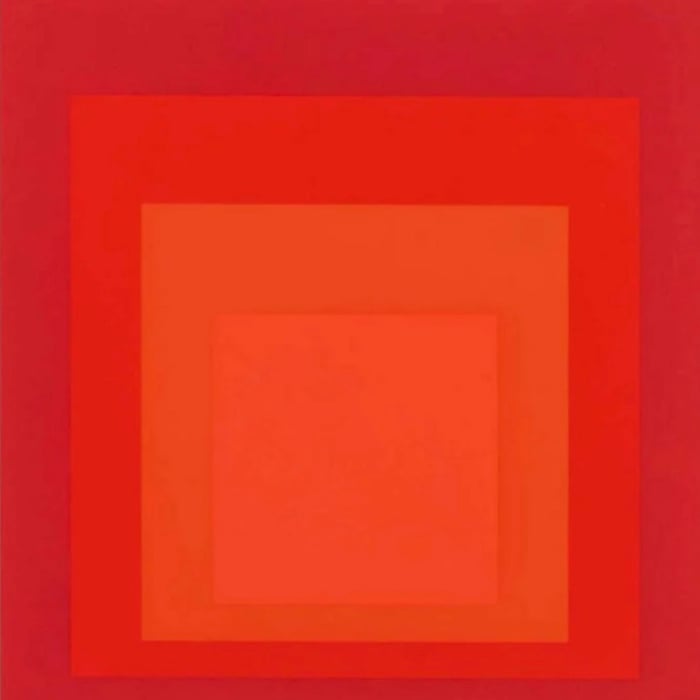
Josef Albers
Concord (From Dei Oberflache), 1965
Limited Edition Print
Screen-print
Currently Not Available

Alberto Biasi
Red Rain, 2022
Sculpture / Object
Mixed Media
EUR 3,000
Related Articles
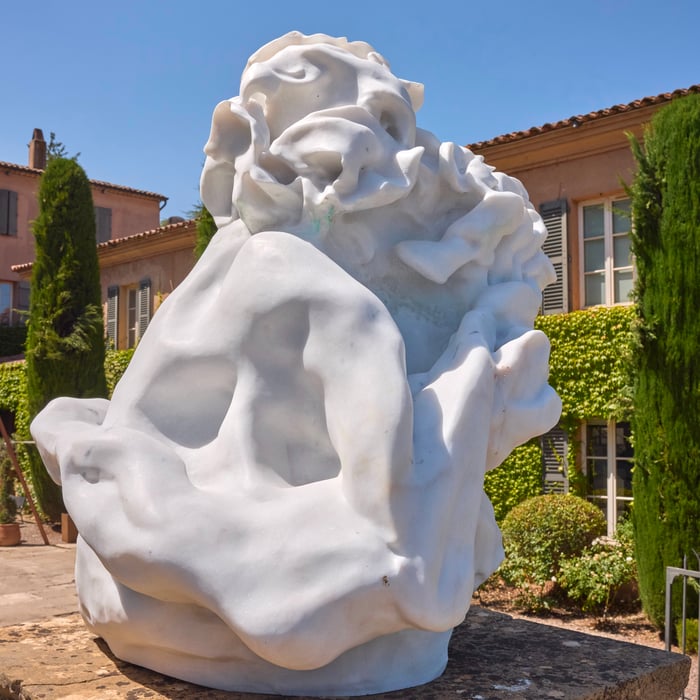
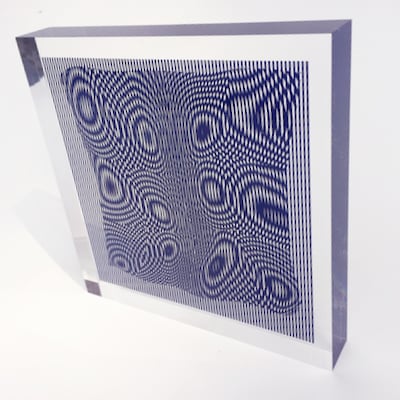
Acrylic sculpture refers to both a process and the resulting object. The artist begins by creating a sculpture from clay, plaster, or epoxy, which is then used to make a flexible mold. Melted acrylic is poured into the mold, and once it cures, the acrylic piece is hand-finished through sanding and polishing. Acrylic sculptures are valued for their clarity, durability, and ability to achieve intricate details.

Plastic is a material made from synthetic or organic compounds that can be molded into various shapes. It became a popular medium for artwork in the 20th century. Plastics can be cut, shaped, assembled, and painted with acrylics, making them versatile for creating new objects and art forms.
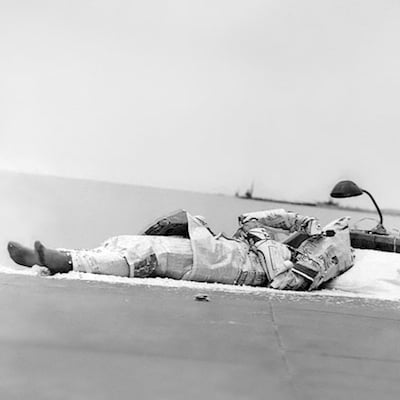
A Happening is a term used to describe artistic and theatrical events held by artists in the 1950s and 60s. These events were typically staged in gallery installations or planned environments and often involved audience participation, along with elements like lighting, sounds, and slide projections. Happenings were a precursor to performance art, which later included the active participation of the artists themselves.
Can't find your Answer?
Thank you! Your question has been sent — we'll get back to you shortly.
