
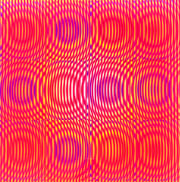
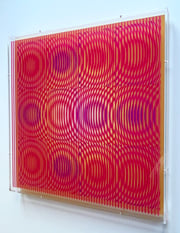
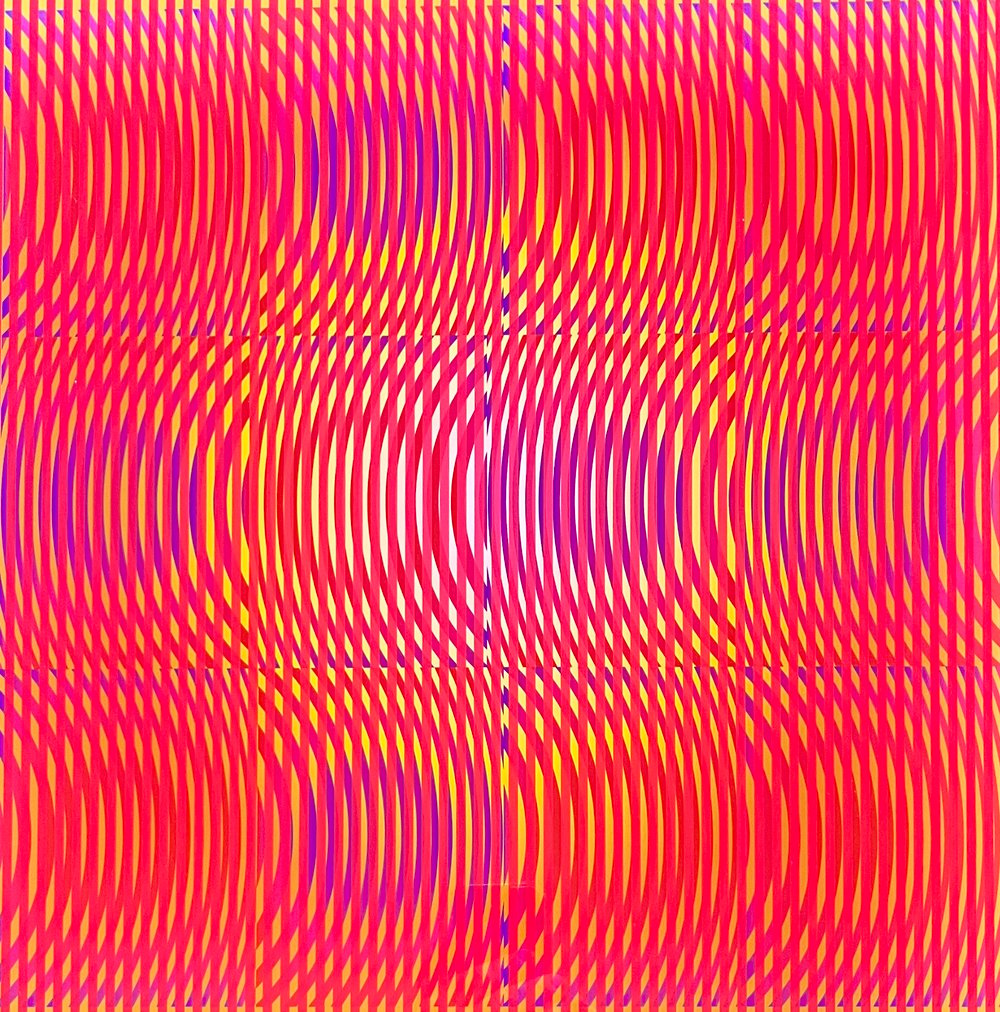
Plexiglass box and printed matter on different layers
- Signed by the artist at the back
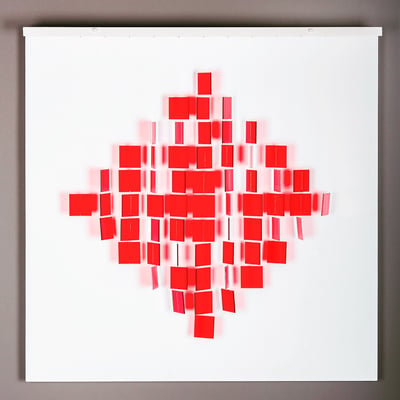
Alberto Biasi's Red Rain is a striking mixed media sculpture created in 2022. Encased within a Plexiglass box, the piece features printed matter arranged in multiple layers, creating a dynamic, three-dimensional effect. The use of overlapping elements and the Plexiglass structure gives the illusion of movement, as if the rain is in motion. The predominant red hue draws the eye, generating a sense of intensity and vibrancy, while the transparent casing adds a sleek, modern feel. The artist's signature at the back authenticates the work, limited to an edition of 20, demonstrating Biasi's exploration of visual perception and kinetic art.
Artwork Copyright © Alberto BiasiAlberto Biasi (Italy, 1937) is an Italian artist and a leading figure in the Kinetic and Optical Art movements. As a co-founder of Gruppo N in 1960, he explored visual perception through dynamic works that engage viewers in interactive experiences. Biasi's art is featured in major institutions, including the Museum of Modern Art in New York and the Centre Pompidou in Paris.
Artwork Copyright © Alberto BiasiRed Rain, 2022
Form
Medium
Size
- Inches
- Centimeters
Edition
Price
- USD
- EUR
- GBP
- CHF
- Authenticity Guaranteed
- Insured Shipping
- Online Since 2005
●Inventory 13352
●Signed
●Comes with gallery invoice and certificate
●Sell Us a Similar Artwork. Learn more.
Plexiglass box and printed matter on different layers
- Signed by the artist at the back
Alberto Biasi's Red Rain is a striking mixed media sculpture created in 2022. Encased within a Plexiglass box, the piece features printed matter arranged in multiple layers, creating a dynamic, three-dimensional effect. The use of overlapping elements and the Plexiglass structure gives the illusion of movement, as if the rain is in motion. The predominant red hue draws the eye, generating a sense of intensity and vibrancy, while the transparent casing adds a sleek, modern feel. The artist's signature at the back authenticates the work, limited to an edition of 20, demonstrating Biasi's exploration of visual perception and kinetic art.
Artwork Copyright © Alberto BiasiAlberto Biasi (Italy, 1937) is an Italian artist and a leading figure in the Kinetic and Optical Art movements. As a co-founder of Gruppo N in 1960, he explored visual perception through dynamic works that engage viewers in interactive experiences. Biasi's art is featured in major institutions, including the Museum of Modern Art in New York and the Centre Pompidou in Paris.
Artwork Copyright © Alberto Biasi- Recently Added
- Price (Low-High)
- Price (High-Low)
- Year (Low-High)
- Year (High-Low)

Alberto Biasi
Red Rain, 2022
Sculpture / Object
Mixed Media
EUR 3,000

Alberto Biasi
Rilievo ottico cinetico, 1972
Limited Edition Print
Screen-print
EUR 1,900

Alberto Biasi
Torsioni Sovrapposte Noir, 2017
Sculpture / Object
Mixed Media
EUR 3,000
Related Artists
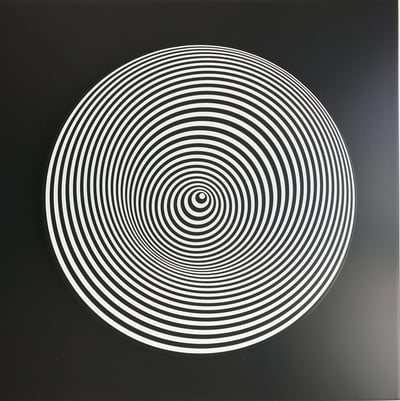


Artwork by Francois Morellet
What is geometric abstract art?
Geometric abstraction is a form of abstract art that uses geometric shapes arranged in a non-illusionistic space (though not always) and combined into non-representational (non-objective) compositions. Based on years of artistic research, some artists have proposed that geometric abstraction offers a solution to modern challenges by rejecting traditional illusionistic practices in favor of clarity and simplicity.

Alberto Biasi
Red Rain, 2022
44 x 44 x 4 cm


