

Alberto Biasi
Alberto Biasi (Italy, 1937) is an Italian artist and a leading figure in the Kinetic and Optical Art movements. As a co-founder of Gruppo N in 1960, he explored visual perception through dynamic works that engage viewers in interactive experiences. Biasi's art is featured in major institutions, including the Museum of Modern Art in New York and the Centre Pompidou in Paris.
© Alberto Biasi. All rights reserved.
- Recently Added
- Price (Low-High)
- Price (High-Low)
- Year (Low-High)
- Year (High-Low)

Alberto Biasi
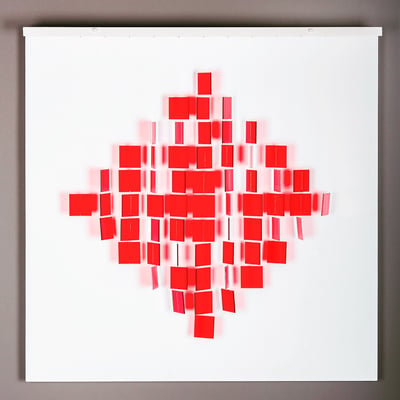
Red Rain, 2022
Sculpture / Object
Mixed Media
EUR 3,000

Alberto Biasi
Rilievo ottico cinetico, 1972
Limited Edition Print
Screen-print
EUR 1,900

Alberto Biasi
Torsioni Sovrapposte Noir, 2017
Sculpture / Object
Mixed Media
EUR 3,000
A lot of inspiration I got from Dadaism because of the dynamism in texts, movies, and the movement itself.
- Alberto Biasi
- Alberto Biasi
Alberto Biasi (b. 1937, Italy) is an Italian artist and a pioneering figure in the Kinetic Art movement, a branch of Op Art that emerged in the mid-twentieth century. Biasi was instrumental in blending traditional and non-traditional materials to create vibrant, geometric, and multi-dimensional artworks that challenge the viewer’s perception. His optically dynamic pieces, often using materials like PVC strips, engage the viewer in a unique way, inviting them to interact with the artwork and create their own interpretation. In the 1960s, Biasi co-founded the "Gruppa Enne" art movement in Italy, which paralleled other movements like America's "Anonima Group" and Germany's "Zero Group." These movements focused on retinal art and optical principles that came alive for each viewer, moving beyond flat, still, or sculptural elements. Biasi’s work remains significant over his half-century career, with his "Unlimited Perception" series spanning from the 1970s to the present. His works are showcased in prestigious institutions such as MACBA in Buenos Aires, The Peggy Guggenheim Collection in Venice and Museo El Barrio in New York. Biasi continues to be celebrated for his contributions to Kinetic Op Art, offering viewers a complex and modern way to experience art.(Artist website)
Related Artists



Related Articles
Collecting - March 25, 2025
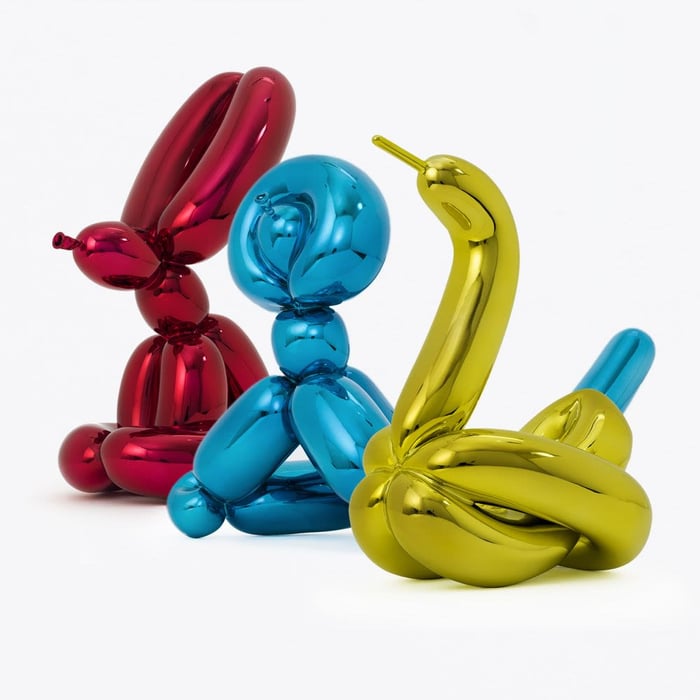
Understanding Editioned Sculptures: What Collectors Need to Know
Explore the value of editioned sculptures, from bronze to electric art. Learn how edition size, material, and artist impact collectability.Read More
News, Popular, Collecting, Artists - August 12, 2026
In Minor Keys: Finding Intimacy and Identity at the 61st Venice Biennale — and in Your Collection
Explore how Koyo Kouoh’s 61st Venice Biennale vision, In Minor Keys, is shifting contemporary collecting toward quiet introspection, memory, and personal identi…Read More
 Artwork by Roy Lichtenstein
What is late modernism?
Late Modernism refers to the continuation and evolution of Modernist principles in art, architecture, and literature from the mid-20th century into the late 20th century. This movement maintains a focus on form, abstraction, and the rejection of traditional styles, but it often incorporates more complexity and ambiguity compared to early Modernism. Late Mode…
Explore »

