
What is concrete art?
- Show All
- Established
- Discoveries
- Show All
Artworks Related to Concrete art
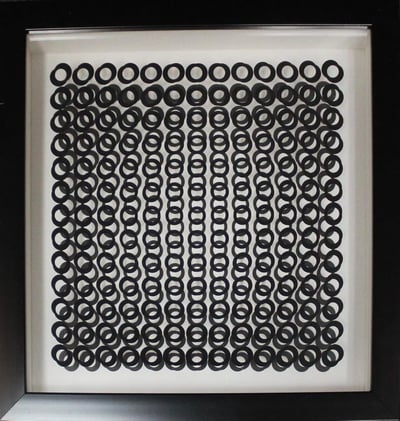
Victor Vasarely
Profound Works 7, 1973
Limited Edition Print
Serigraph
USD 500
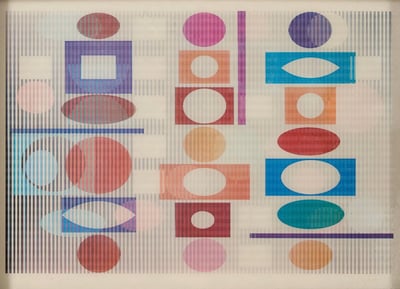
Yaacov Agam
Poly Meta
Limited Edition Print
Mixed Media
Inquire For Price
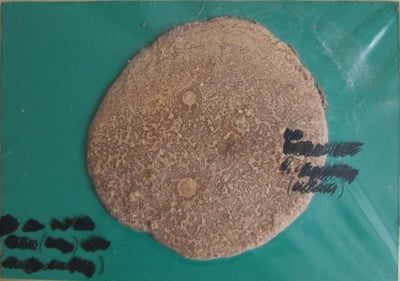
Dieter Roth
Self-portrait, 1969
Limited Edition Print
Mixed Media
EUR 3,000

Dieter Roth
Selbstbildnis als Loch, 1972
Limited Edition Print
Screen-print
EUR 3,100

Dieter Roth
Middle sunset
Limited Edition Print
Mixed Media
EUR 5,400

Victor Vasarely
Skier, 1983
Limited Edition Print
Screen-print
Currently Not Available

Julio Le Parc
Losange Virtuel sur mirroir, 2021
Sculpture / Object
Mixed Media
EUR 20,000
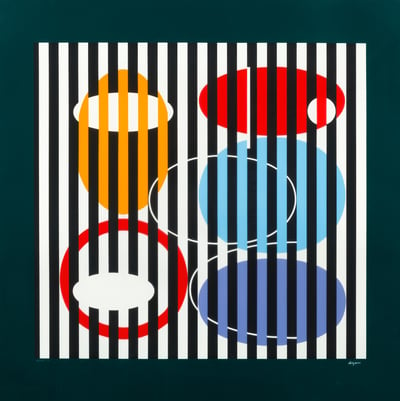
Yaacov Agam
End to end Suite, 1991
Limited Edition Print
Silkscreen
USD 1,025

Victor Vasarely
Sorbonne, 1973
Limited Edition Print
Silkscreen
USD 1,350
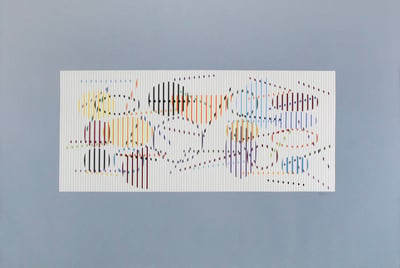
Yaacov Agam
Untitled (Composition), 1976
Limited Edition Print
Serigraph
USD 900

Victor Vasarely
The Juggler, 1977
Limited Edition Print
Serigraph
USD 1,150

Victor Vasarely
OETA, 1959
Limited Edition Print
Screen-print
USD 1,000
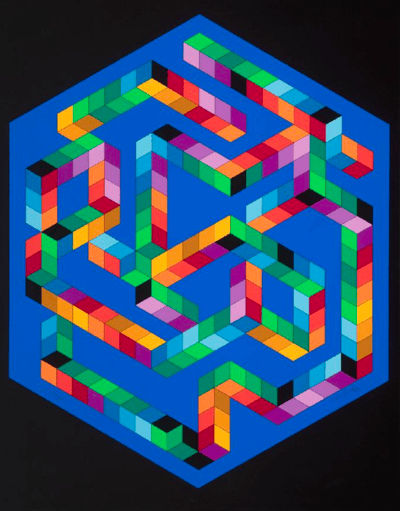
Victor Vasarely
Babel 3, 1978
Limited Edition Print
Screen-print
USD 950
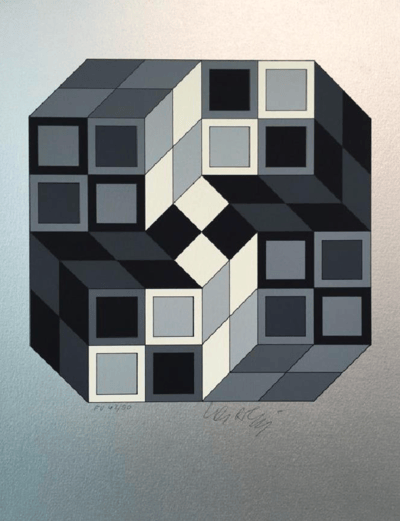
Victor Vasarely
Silver Composition, 1980
Limited Edition Print
Screen-print
Currently Not Available
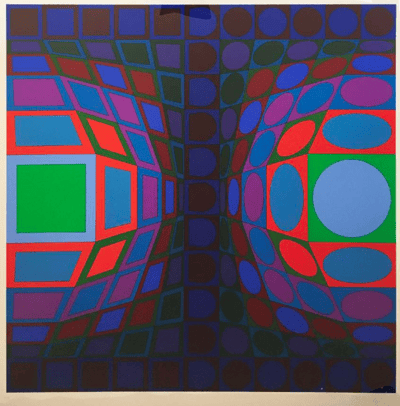
Victor Vasarely
Viva, 1974
Limited Edition Print
Screen-print
USD 1,100
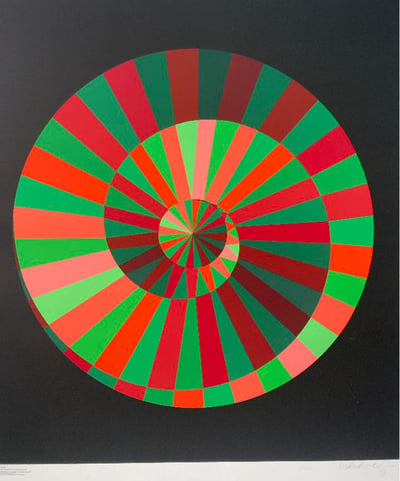
Victor Vasarely
Kraft und Natur I, 1972
Limited Edition Print
Screen-print
Currently Not Available
Related Articles
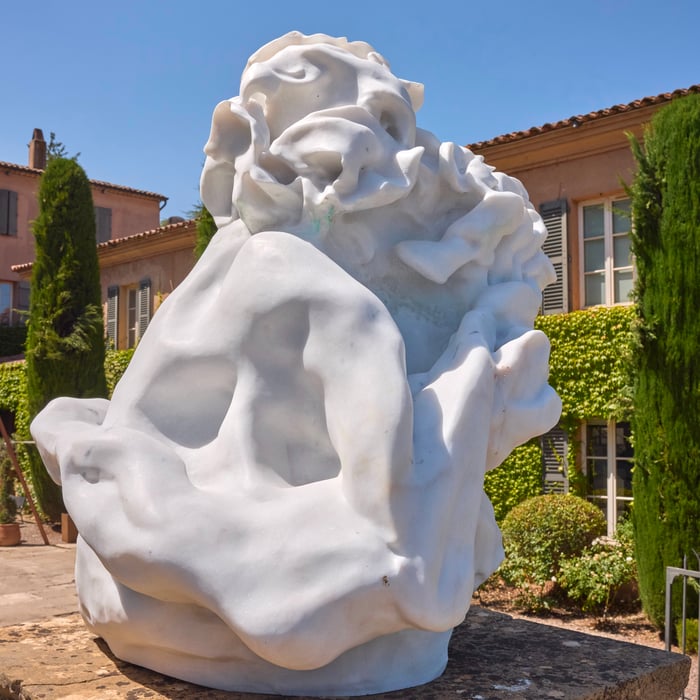
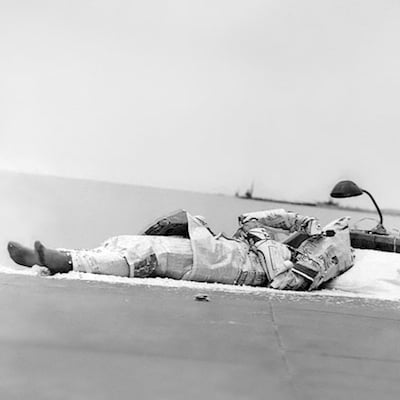
A Happening is a term used to describe artistic and theatrical events held by artists in the 1950s and 60s. These events were typically staged in gallery installations or planned environments and often involved audience participation, along with elements like lighting, sounds, and slide projections. Happenings were a precursor to performance art, which later included the active participation of the artists themselves.
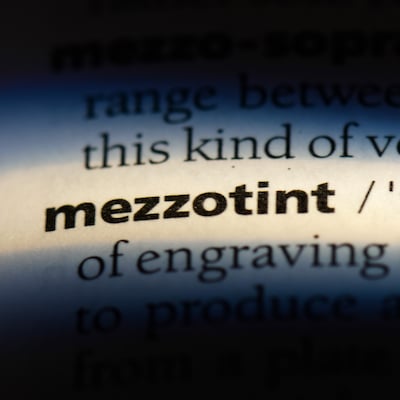
Mezzotint is a printmaking technique in which a copper or steel plate is roughened to produce a solid black print. The artist smooths specific areas of the plate to create a range of tones, from deep blacks to delicate grays and whites. By varying the degree of smoothing, the artist can achieve detailed gradations of light and shadow, resulting in prints with rich, velvety textures and subtle transitions between light and dark.

A print proof refers to any test impressions made from a printing plate or block to check the image quality before the final print is completed. These proofs are used as quality checks to ensure that the details and alignment are correct. Different types of proofs, such as artist's proofs or trial proofs, serve specific purposes during the printmaking process.
Can't find your Answer?
Thank you! Your question has been sent — we'll get back to you shortly.
