
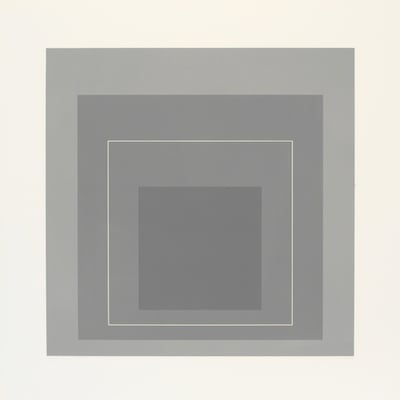
What is concrete art?
- Show All
- Established
- Discoveries
- Show All
Artworks Related to Concrete art
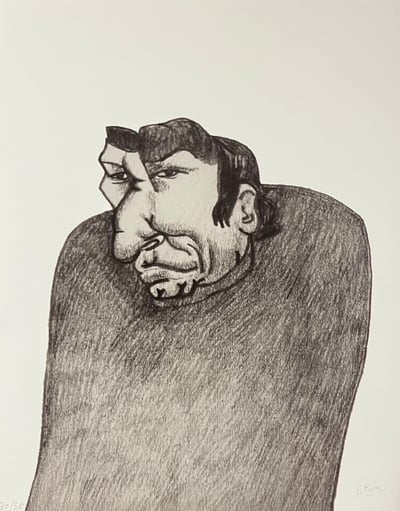
Julio Le Parc
Viscache – Self Portrait, 2025
Limited Edition Print
Digital Print on paper
EUR 550
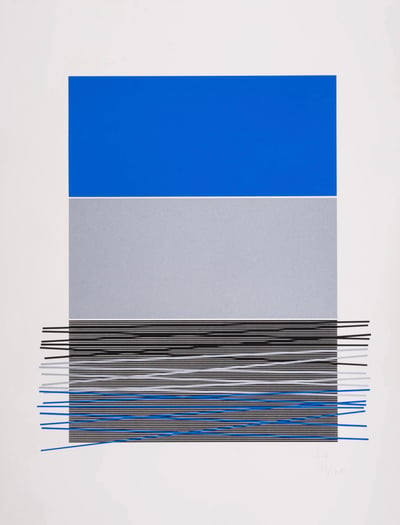
Rafael Jesus Soto
Untitled (Blue Horizon Lines), 1976
Limited Edition Print
Screen-print
USD 1,875
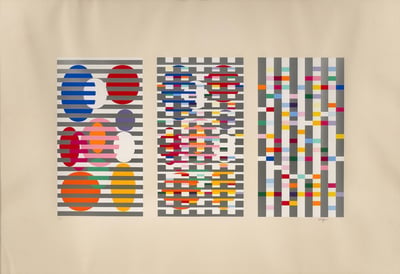
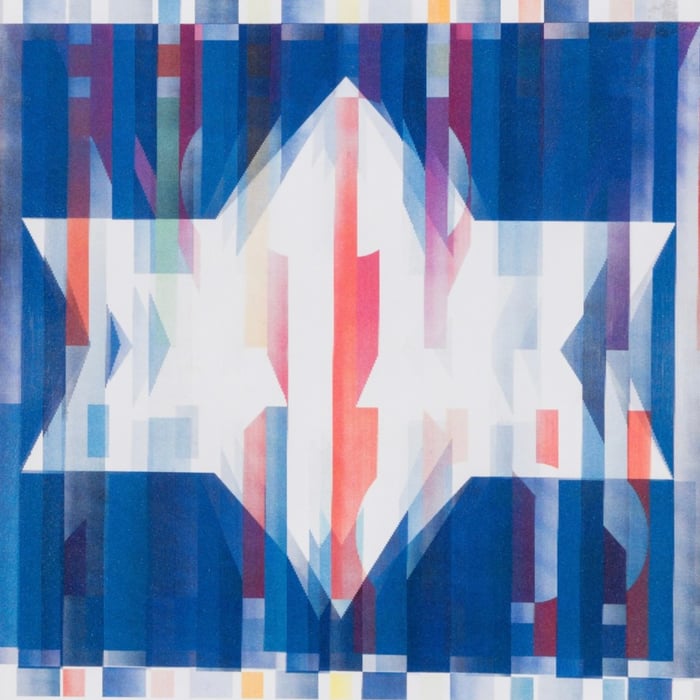
Yaacov Agam
Composition 2
Limited Edition Print
Screen-print
USD 890

Luis Tomasello
Lumiere noire unique VI/X, 2011
Sculpture / Object
Mixed Media
EUR 3,500

Luis Tomasello
Lumiere noire unique V/X, 2011
Sculpture / Object
Mixed Media
EUR 3,500

Luis Tomasello
Lumiere noire unique IV/X, 2011
Sculpture / Object
Mixed Media
EUR 3,500

Luis Tomasello
Lumiere noire unique III/X, 2011
Sculpture / Object
Mixed Media
EUR 3,500

Luis Tomasello
Lumiere noire unique II/X, 2011
Sculpture / Object
Mixed Media
EUR 3,500

Luis Tomasello
Lumiere noire unique I/X, 2011
Sculpture / Object
Mixed Media
EUR 3,500

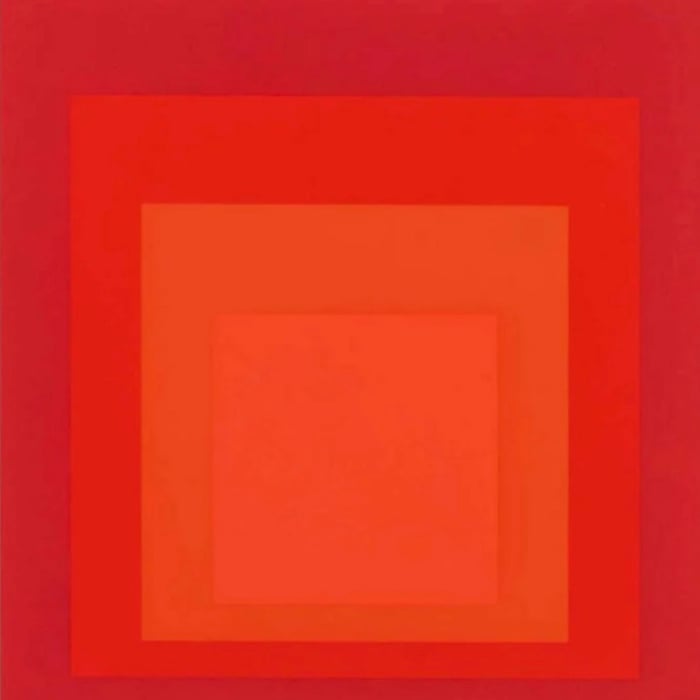
Josef Albers
Variants-III (from the Ten Variants Series), 1966
Limited Edition Print
Screen-print
Inquire For Price

Josef Albers
Late, from Soft Edge-Hard Edge, 1965
Limited Edition Print
Screen-print
USD 10,000 - 15,000
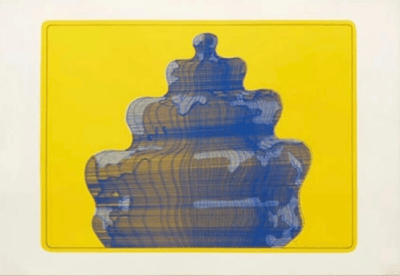
Dieter Roth
Torte in der Sonne (Fancy-Cake in the Sun), 1970
Limited Edition Print
Screen-print
GBP 4,200

Carmen Herrera
Untitled (Vertical Blue Band), 2018
Limited Edition Print
Intaglio
GBP 7,000 - 10,000

Victor Vasarely
Felhoe (Benavides 1876), 1989
Sculpture / Object
Mixed Media
USD 3,750
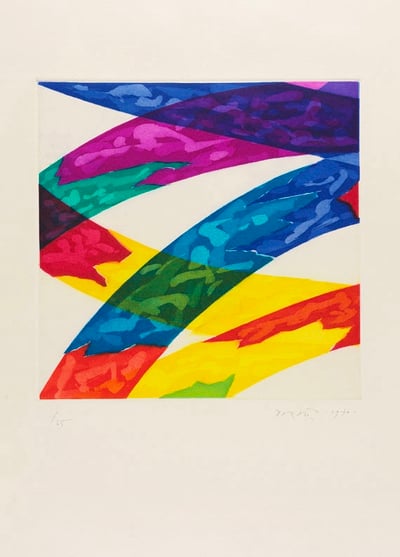
Piero Dorazio
Untitled (Chromatic Ribbons), 1971
Limited Edition Print
Etching
EUR 990
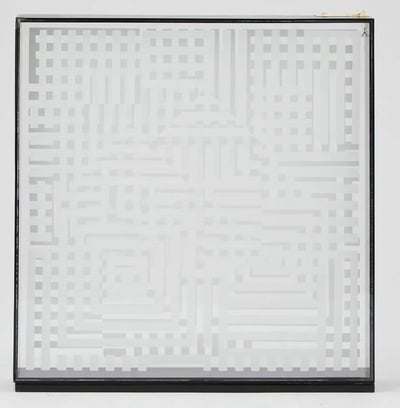
Victor Vasarely
Omega 25 Blanc, 1965
Sculpture / Object
Mixed Media
Inquire For Price
Related Articles
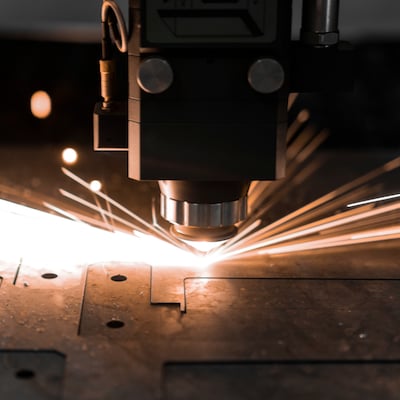
Metalcut was a relief printing technique used primarily in Europe from around 1450 to 1540. The technique involved using thin metal plates. One method involved cutting or hammering away parts of the plate that were not intended to print, while the other method used engraving to create white lines on a black background.

Situationism is a psychological theory that gained prominence in 1968, following the publication of a monograph by Walter Mischel that sparked the Person-situation debate. This theory argues that behavior is primarily influenced by external situational factors rather than internal traits or motivations, challenging the ideas of trait theorists like Raymond B. Cattell and Hans Eysenck, who emphasized stable personality traits. It is important not to confuse this with the Situationist International movement, an artistic and political movement founded by Asger Jorn, which focused on the critique of modern consumer society and the influence of environments on human behavior.

Lithography is a printing method based on the principle that water and oil do not mix. It can be used to print artwork or text onto paper or other suitable materials. Traditionally, an image was drawn with wax, fat, or oil onto a lithographic limestone surface or plate. Today, metal plates and other surfaces are also used in lithographic printing.
Can't find your Answer?
Thank you! Your question has been sent — we'll get back to you shortly.
