
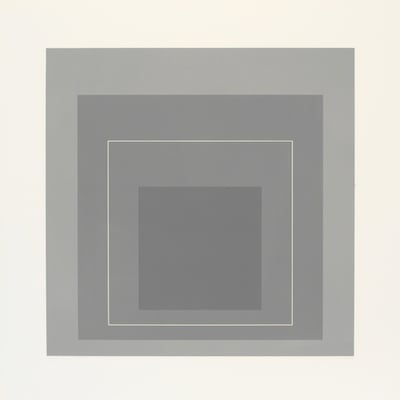
What is concrete art?
- Show All
- Established
- Discoveries
- Show All
Artworks Related to Concrete art
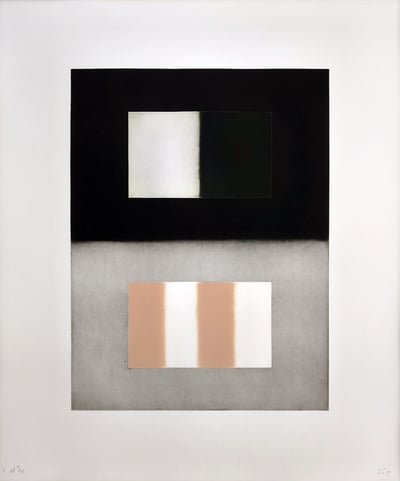
Sean Scully
Liliane 2, 2010
Limited Edition Print
Etching and Aquatint
EUR 5,750

Sean Scully
Liliane 1, 2010
Limited Edition Print
Etching and Aquatint
EUR 5,750
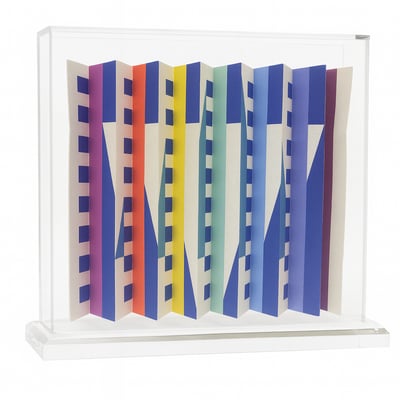
Yaacov Agam
A tribute work from the residents of Israel to the residents of the United States, 1985
Limited Edition Print
Mixed Media
EUR 6,950
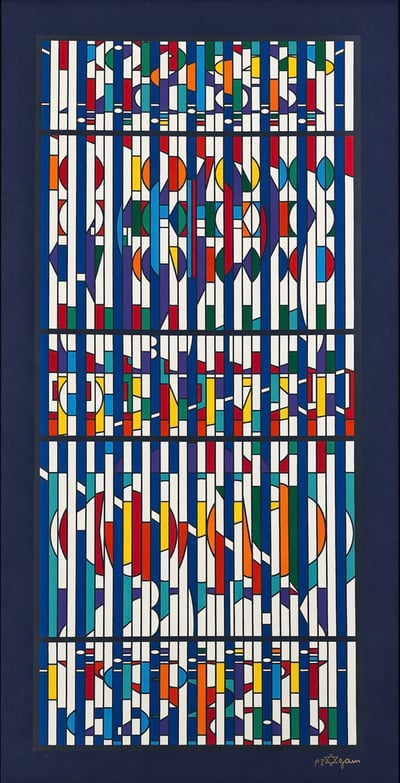
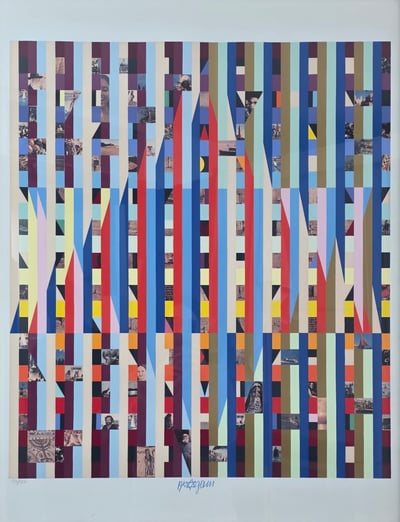
Yaacov Agam
Untitled (Chromatic Vertical Grid)
Limited Edition Print
Silkscreen
EUR 2,190
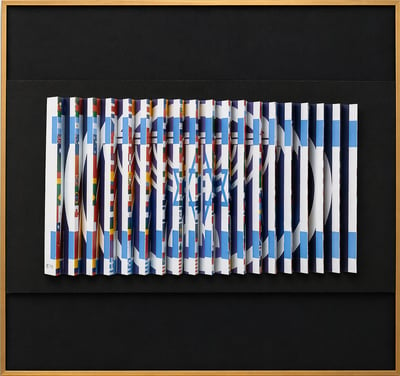
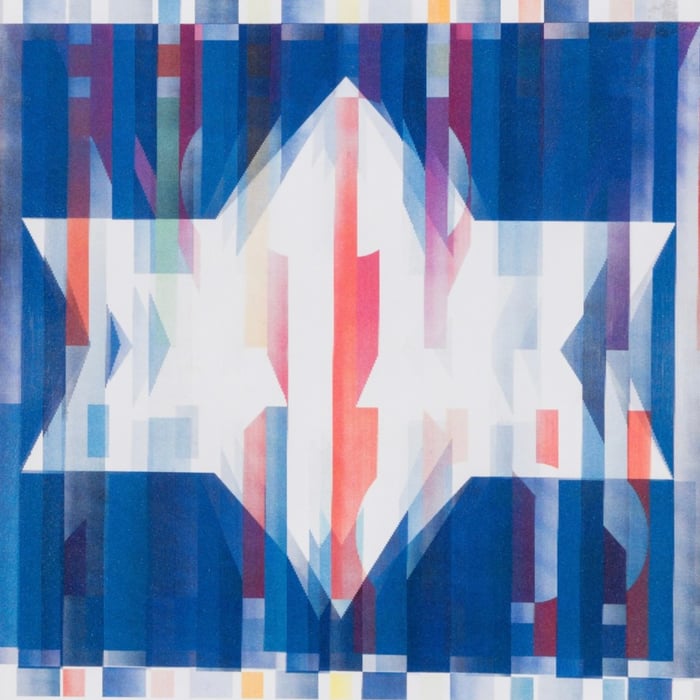
Yaacov Agam
Star of Israel
Limited Edition Print
Silkscreen
EUR 4,000
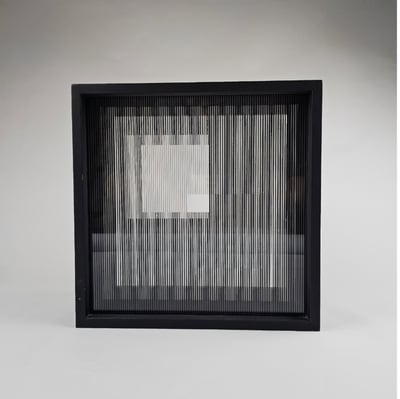
Yaacov Agam
The Star of David at the Heart of the Flags of the Nations
Limited Edition Print
Mixed Media
EUR 15,000
Rafael Jesus Soto
Kinetic Box, 1964
Sculpture / Object
Screen-print
USD 22,000
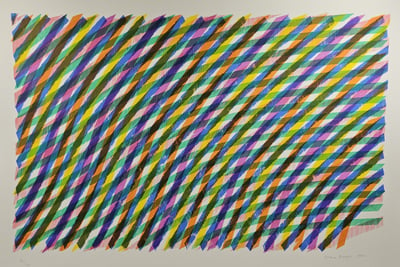
Piero Dorazio
Reticolo. Composizione No 2, 1984
Limited Edition Print
Lithograph
USD 2,000

Sean Scully
Paris Black, 2004
Limited Edition Print
Lithograph
GBP 10,000 - 14,000

Lucio Fontana
Untitled from The International Avant-Garde (volume I), 1962
Limited Edition Print
Mixed Media
USD 8,150

Lucio Fontana
Nudo rosa, 1967
Limited Edition Print
Mixed Media
USD 10,500

Josef Albers
Astatic (Danilowitz 116), 1944
Limited Edition Print
Woodcut
USD 10,200
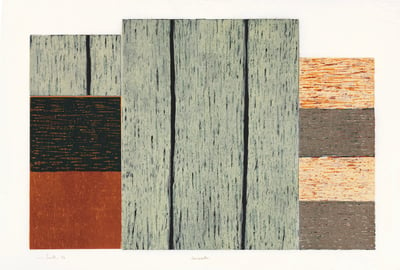
Sean Scully
Conversation, 1986
Limited Edition Print
Woodcut
EUR 14,400
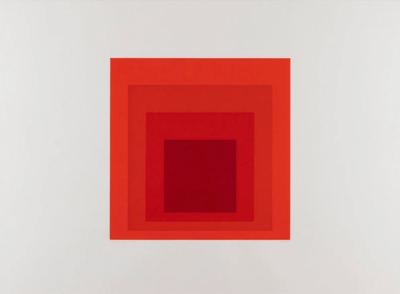
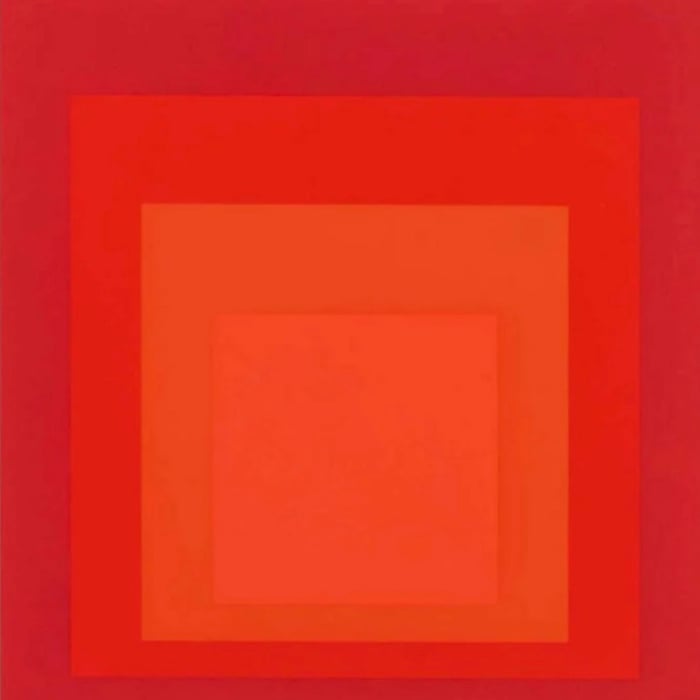
Josef Albers
JHM-I, 1973
Limited Edition Print
Screen-print
Inquire For Price
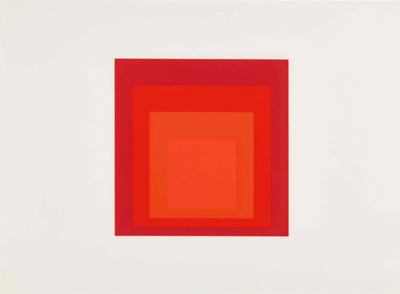
Josef Albers
JHM-II, 1973
Limited Edition Print
Screen-print
Inquire For Price
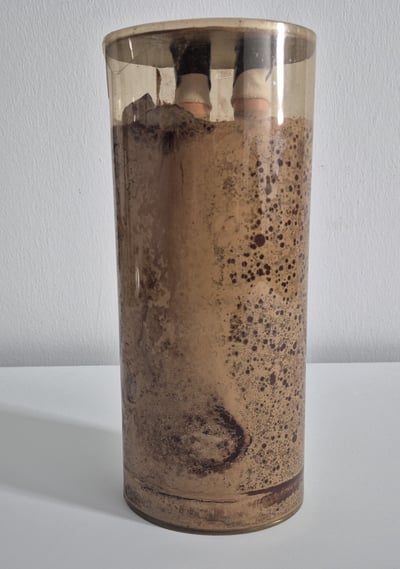
Dieter Roth
Untitled (Puppe in Schokolade), 1969
Sculpture / Object
Mixed Media
EUR 3,600
Related Articles
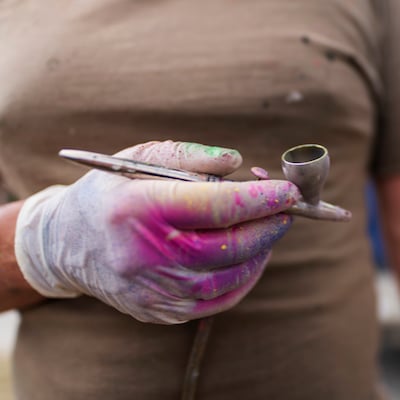
An airbrush is a device that sprays various media, including paint and ink, using compressed air. Artists use airbrushes to create a smooth, even application of color, often achieving effects that are not possible with traditional brushes. James Rosenquist, an American Pop artist, regularly used an airbrush in his work. Before gaining fame with pieces like the iconic F-111 (1965), he worked as a commercial and industrial painter, where he honed his airbrush skills.

Abstract Expressionism is an art movement that emerged in the United States during the 1940s and 1950s. Characterized by large, abstract canvases, the movement emphasized spontaneous, expressive brushwork and the use of color and form to convey emotion rather than represent reality. Artists like Jackson Pollock, Mark Rothko, and Willem de Kooning are key figures in this movement. Abstract Expressionism marked a shift in the art world, making New York City a center of the international art scene.
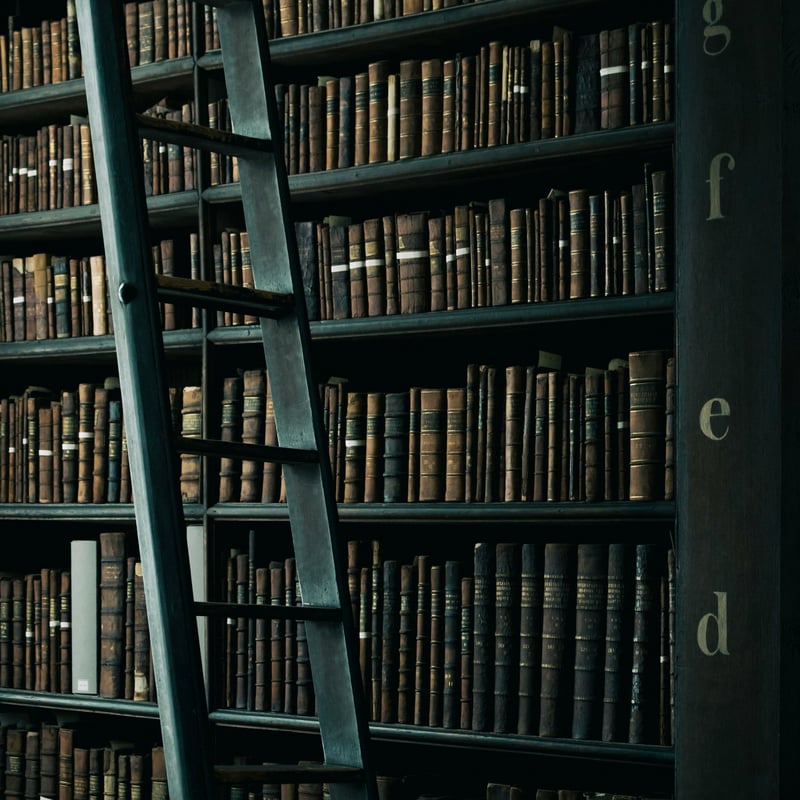
A Catalogue Raisonné is an annotated and comprehensive listing of all the known works of an artist. It includes detailed information that helps to identify and authenticate the artist's output across all media or within a specific medium. Typical details in a catalogue raisonné include the title, dimensions, date, medium, and current location of each work. This resource is essential for scholars, collectors, and art historians in tracking and verifying the complete body of work by an artist.
Can't find your Answer?
Thank you! Your question has been sent — we'll get back to you shortly.
