

What is constructivism?
- Show All
- Established
- Discoveries
- Show All
Artworks Related to Constructivism
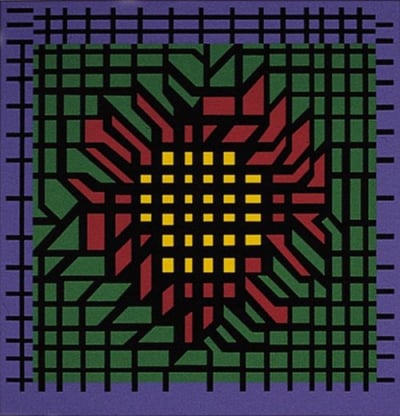
Victor Vasarely
Kat-Zag, 1980
Limited Edition Print
Lithograph
EUR 1,980

Victor Vasarely
Pleionne, 1990
Sculpture / Object
Acrylic sculpture
Currently Not Available

Frank Nitsche
Nek-31, 2005
Painting
Oil on canvas
EUR 6,000

Henry Moore
Figures In A Forest, 1976
Limited Edition Print
Lithograph
EUR 1,650
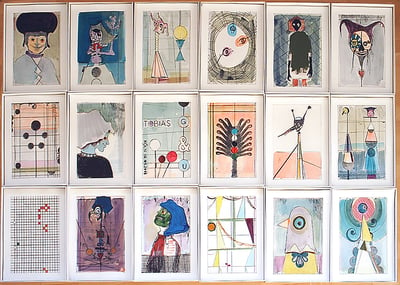
Gert & Uwe Tobias
Ohne Titel - portfolio (18), 2008
Limited Edition Print
Drypoint
EUR 13,500
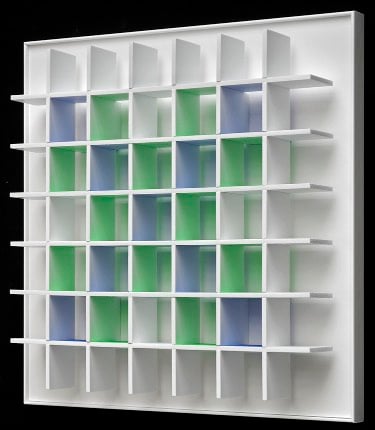
Luis Tomasello
Grille Chromoplastique c, 2012
Sculpture / Object
Acrylic sculpture
EUR 2,000
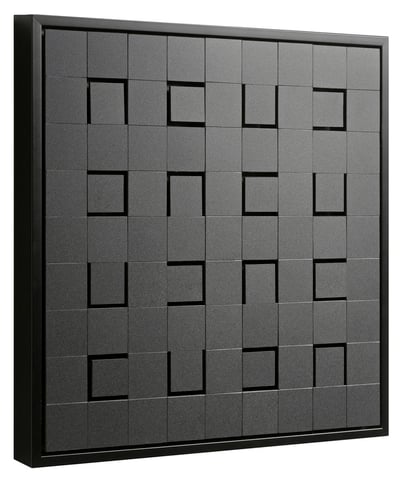
Luis Tomasello
Lumiere Noire, 2011
Sculpture / Object
Mixed Media
EUR 2,500

Luis Tomasello
ST 1, 2012
Sculpture / Object
Mixed Media
EUR 2,200

Luis Tomasello
S/T 4 - Verde , 2013
Limited Edition Print
Lithograph
EUR 3,000

Luis Tomasello
S/T 4 - Rosa , 2013
Limited Edition Print
Lithograph
EUR 3,000
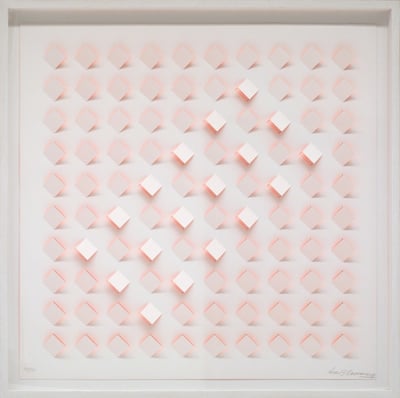
Luis Tomasello
S/T 4 - Naranja , 2013
Limited Edition Print
Lithograph
EUR 3,000

Luis Tomasello
S/T 3 - Verde, 2013
Limited Edition Print
Lithograph
EUR 3,000

Luis Tomasello
S/T 3 - Naranja, 2013
Limited Edition Print
Lithograph
EUR 3,000

Luis Tomasello
S/T 2 - Verde, 2013
Limited Edition Print
Lithograph
EUR 3,000

Luis Tomasello
S/T 2 - Rosa, 2013
Limited Edition Print
Lithograph
EUR 3,000
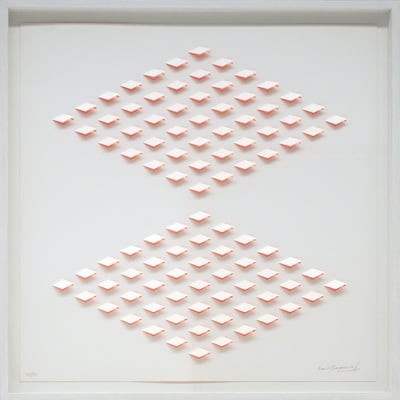
Luis Tomasello
S/T 2 - Naranja , 2013
Limited Edition Print
Lithograph
EUR 3,000
Related Articles


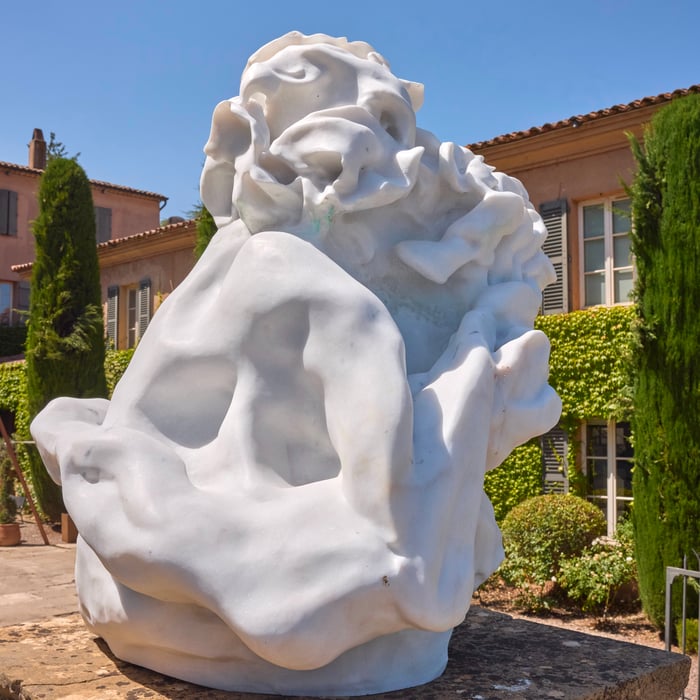

A curator is a professional responsible for managing and overseeing a collection of art pieces or artifacts. Employed by a gallery or museum, curators use their expertise to acquire, develop, display, and care for the collection. They also organize exhibitions and ensure that the collection is accessible to the public.

Emulation is the process of recreating digital art to ensure it remains accessible and functional, even when the original technology used to create it becomes obsolete. This is done by using newer technology to replicate the experience and functionality of the original artwork, preserving art made with early cameras, software, and computers.
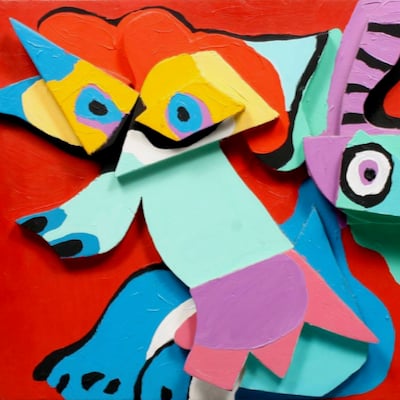
CoBrA stands for Copenhagen, Brussels, and Amsterdam; the group was formed with a desire to break away from the existing art movements of the time. Their critique of Western society led them to experiment and evolve into a significant international movement. CoBrA was founded on November 8, 1948, at the Notre Dame Café in Paris, where its manifesto was signed by Karel Appel, Joseph Noiret, Corneille, Christian Dotremont, Constant, and Asger Jorn. The group was united by a shared commitment to freedom in both form and color, and their work emphasized experimentation and spontaneity.
Can't find your Answer?
Thank you! Your question has been sent — we'll get back to you shortly.
