

What is constructivism?
- Show All
- Established
- Discoveries
- Show All
Artworks Related to Constructivism
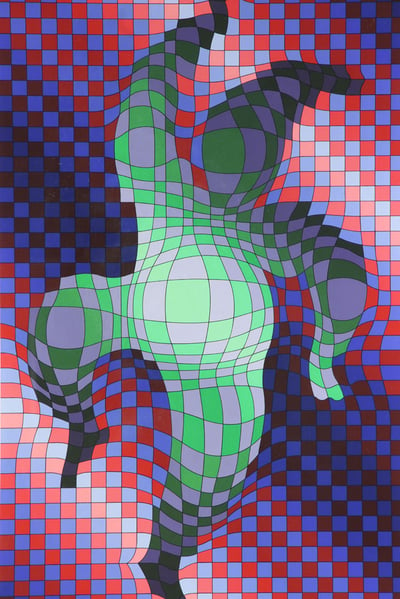
Victor Vasarely
Harlequin
Limited Edition Print
Silkscreen
USD 2,300

Victor Vasarely
Planeta, 1972
Limited Edition Print
Silkscreen
USD 1,900

Victor Vasarely
Koskota, 1976
Limited Edition Print
Silkscreen
USD 1,550

Victor Vasarely
Kaldor, 1980
Limited Edition Print
Silkscreen
USD 1,900

Victor Vasarely
Hang, 1979
Limited Edition Print
Silkscreen
USD 1,550

Victor Vasarely
Dauve, 1978
Limited Edition Print
Silkscreen
USD 1,550

Victor Vasarely
Vertigo, 1982
Limited Edition Print
Silkscreen
USD 1,550
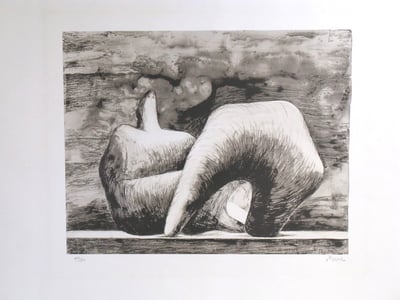
Henry Moore
Reclining figure pointed C. 543, 1979
Limited Edition Print
Lithograph
USD 6,790

Luis Tomasello
S/T 3 - Rosa, 2013
Limited Edition Print
Lithograph
EUR 3,000

Victor Vasarely
Togonne, 1987
Limited Edition Print
Lithograph
EUR 2,330

Vera Molnar
Lettres de ma mère (6), 1990
Limited Edition Print
Serigraph
EUR 4,950
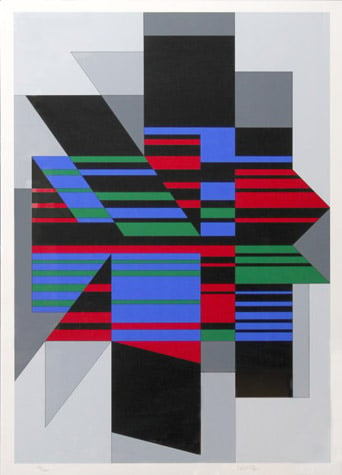
Victor Vasarely
Attila, 1990
Limited Edition Print
Screen-print
EUR 1,900

Victor Vasarely
VY-29-C, 1973
Limited Edition Print
Serigraph
EUR 2,200

Victor Vasarely
Firka
Limited Edition Print
Silkscreen
EUR 1,700

Victor Vasarely
Gordes Nives, 1971
Limited Edition Print
Lithograph
EUR 1,400
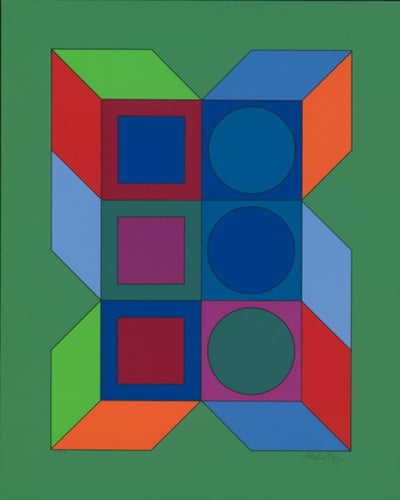
Victor Vasarely
XLV
Limited Edition Print
Silkscreen
EUR 2,200
Related Articles


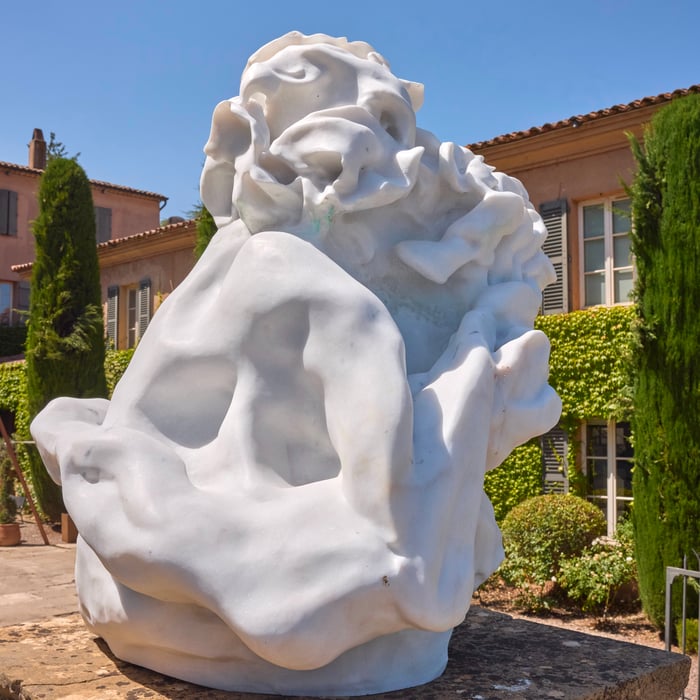
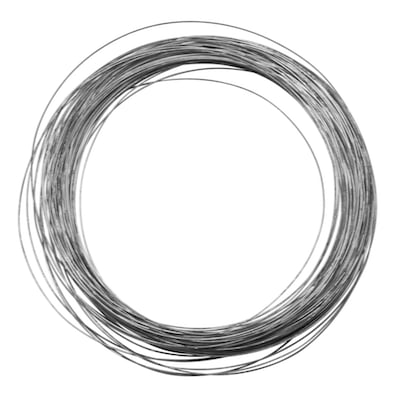
Wire is a single strand or rod of flexible metal. It has been used since ancient times to make chains and jewelry decorations. Wire comes in various thicknesses and can be bent, braided, and cut using wire tools to create sculptures, assemblages, and mobiles. Different metals, such as copper, aluminum, and steel, are commonly used for wire art.
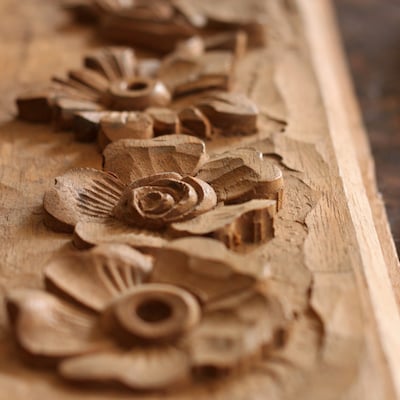
Wood is one of the most ancient and versatile materials used in creating art. It has served as a base for paintings, brush handles, pens, and pencils, as well as for easels, wood engraving, woodcut, woodblock printing, and sculpting. Various types of wood, such as oak, maple, and pine, are commonly used in these artistic applications.
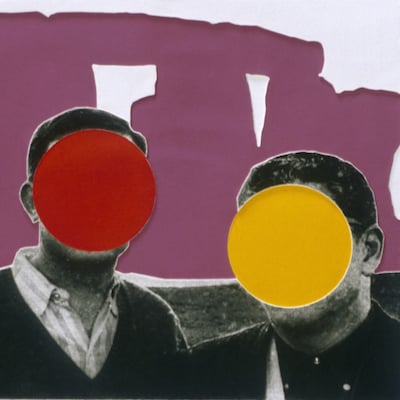
Sometimes referred to as Conceptualism, this is an art form where the idea(s) or concept(s) behind the work take precedence over material concerns and traditional aesthetics. Many conceptual artworks can be created by anyone simply by following written instructions. The concept or idea is the most essential aspect of the artwork.
Can't find your Answer?
Thank you! Your question has been sent — we'll get back to you shortly.
