

What is constructivism?
- Show All
- Established
- Discoveries
- Show All
Artworks Related to Constructivism

Victor Vasarely
Flower Girl, 1980
Limited Edition Print
Silkscreen
USD 2,000

Victor Vasarely
Vega
Limited Edition Print
Silkscreen
USD 780

Gert & Uwe Tobias
Ohne Titel (collage), 2014
Drawing / Watercolor
Collage
EUR 2,750

Victor Vasarely
Broey Neg
Limited Edition Print
Serigraph
EUR 950
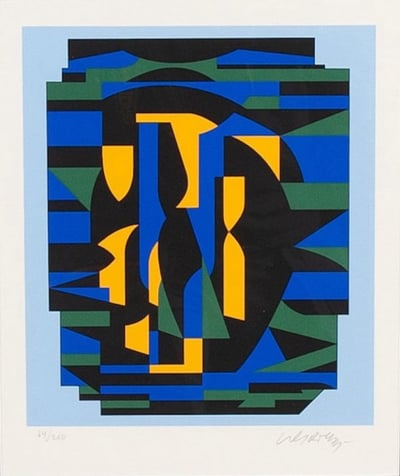
Victor Vasarely
Untitled ( From Ion)
Limited Edition Print
Serigraph
EUR 950

Henry Moore
Mother And Child XV, 1983
Limited Edition Print
Mixed Media
EUR 2,200
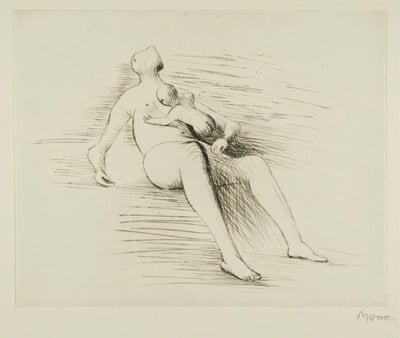
Henry Moore
Recling Mother And Child II, 1979
Limited Edition Print
Mixed Media
EUR 1,750

Henry Moore
Seated Figure IV - Reverse Lighting, 1974
Limited Edition Print
Lithograph
EUR 2,250

Henry Moore
Shipwreck II, 1973
Limited Edition Print
Lithograph
EUR 2,310

Luis Tomasello
S/T 1 - Verde, 2013
Limited Edition Print
Lithograph
EUR 3,000

Pello Irazu
Untitled #4, 1985
Painting
Mixed Media
EUR 2,250
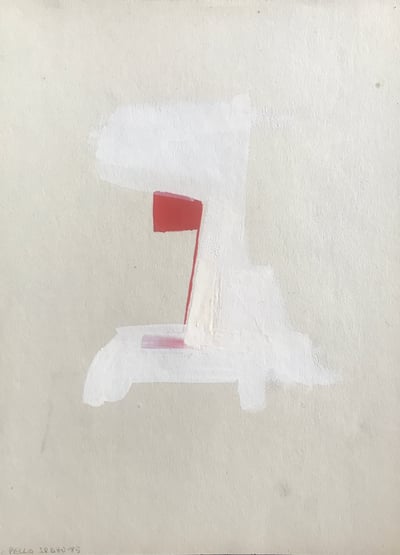
Pello Irazu
Untitled #3, 1985
Painting
Mixed Media
EUR 2,250

Pello Irazu
Untitled #2, 1985
Painting
Mixed Media
EUR 2,250

Pello Irazu
Untitled #1, 1985
Painting
Mixed Media
EUR 2,250

Victor Vasarely
Kervilahuen-BL, 1985
Limited Edition Print
Serigraph
Artwork On Hold

Luis Tomasello
s/t 2, 2012
Sculpture / Object
Mixed Media
EUR 2,200
Related Articles


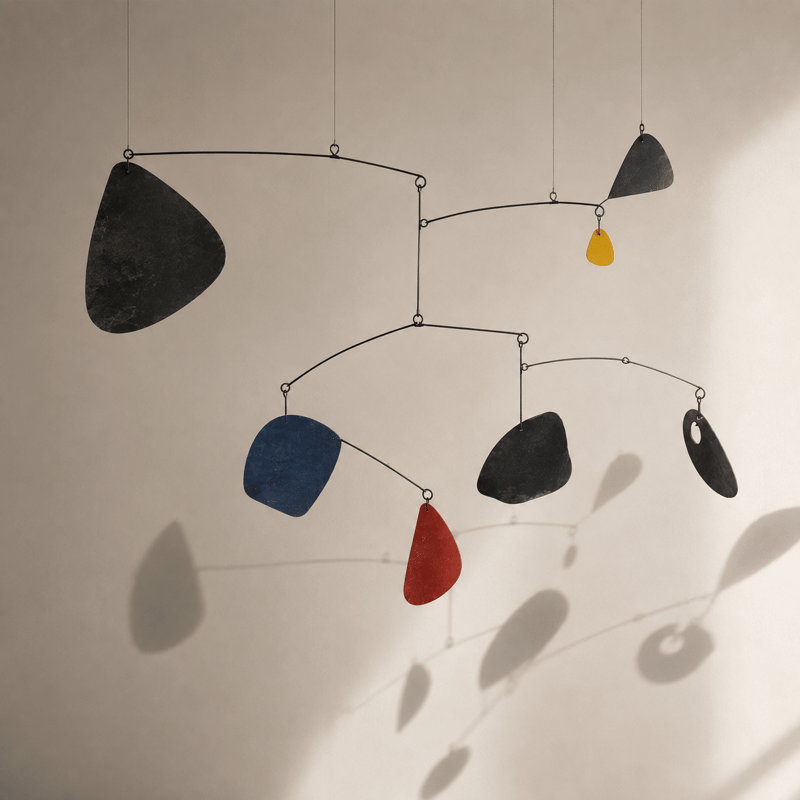
A mobile is a type of kinetic sculpture consisting of an ensemble of balanced parts that hang freely and move independently or as a whole when influenced by air currents or touch. Typically made of wire and colorful metal shapes, mobiles are designed to create dynamic visual effects through their motion.
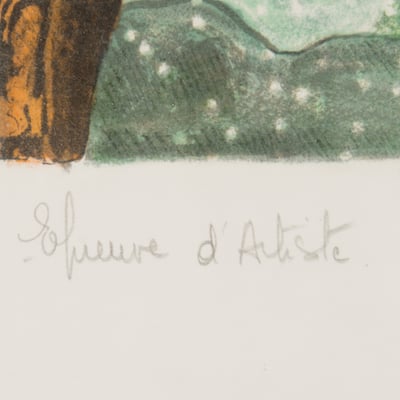
Épreuve d'Artist refers to the artist's proofs in a limited edition of prints. These are a small number of prints reserved by the artist for personal use and are typically marked with the abbreviation E.A. (épreuve d'artist) or AP (artist's proof). Artist’s proofs are usually identical to the regular edition but are often considered more valuable due to their limited quantity.

Geometric abstraction is a form of abstract art that uses geometric shapes arranged in a non-illusionistic space (though not always) and combined into non-representational (non-objective) compositions. Based on years of artistic research, some artists have proposed that geometric abstraction offers a solution to modern challenges by rejecting traditional illusionistic practices in favor of clarity and simplicity.
Can't find your Answer?
Thank you! Your question has been sent — we'll get back to you shortly.
