

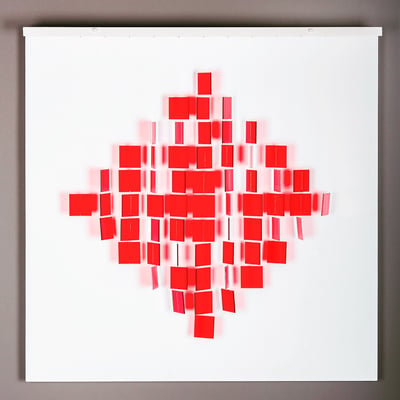
S/T 2 - Verde, 2013
Form
Medium
Size
- Inches
- Centimeters
Edition
Price
- USD
- EUR
- GBP
- CHF
- Authenticity Guaranteed
- Insured Shipping
- Online Since 2005

Luis Tomasello
Lumiere noire unique VI/X, 2011
Sculpture / Object
Mixed Media
EUR 3,500

Luis Tomasello
Lumiere noire unique V/X, 2011
Sculpture / Object
Mixed Media
EUR 3,500

Luis Tomasello
Lumiere noire unique IV/X, 2011
Sculpture / Object
Mixed Media
EUR 3,500

Luis Tomasello
Lumiere noire unique III/X, 2011
Sculpture / Object
Mixed Media
EUR 3,500

Luis Tomasello
Lumiere noire unique II/X, 2011
Sculpture / Object
Mixed Media
EUR 3,500

Luis Tomasello
Lumiere noire unique I/X, 2011
Sculpture / Object
Mixed Media
EUR 3,500

Luis Tomasello
S/T 1 - Verde, 2013
Limited Edition Print
Lithograph
EUR 3,000

Luis Tomasello
s/t 2, 2012
Sculpture / Object
Mixed Media
EUR 2,200

Luis Tomasello
s/t 3, 2012
Sculpture / Object
Mixed Media
EUR 2,200

Luis Tomasello
S/T 3 - Rosa, 2013
Limited Edition Print
Lithograph
EUR 3,000
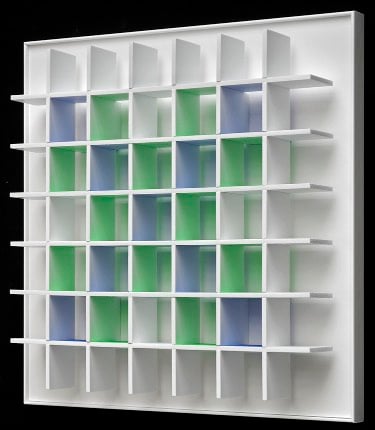
Luis Tomasello
Grille Chromoplastique c, 2012
Sculpture / Object
Acrylic sculpture
EUR 2,000
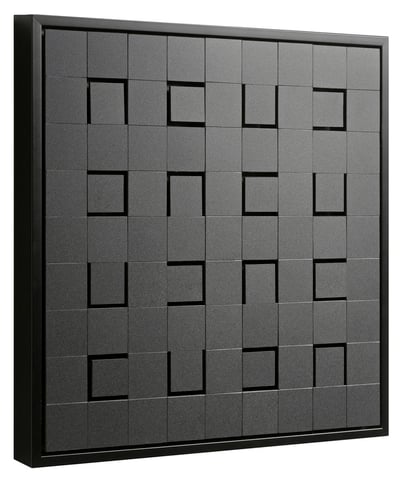
Luis Tomasello
Lumiere Noire, 2011
Sculpture / Object
Mixed Media
EUR 2,500

Luis Tomasello
ST 1, 2012
Sculpture / Object
Mixed Media
EUR 2,200

Luis Tomasello
S/T 4 - Verde , 2013
Limited Edition Print
Lithograph
EUR 3,000

Luis Tomasello
S/T 4 - Rosa , 2013
Limited Edition Print
Lithograph
EUR 3,000
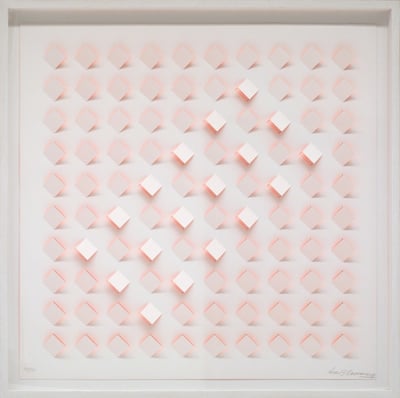
Luis Tomasello
S/T 4 - Naranja , 2013
Limited Edition Print
Lithograph
EUR 3,000

Luis Tomasello
S/T 3 - Verde, 2013
Limited Edition Print
Lithograph
EUR 3,000

Luis Tomasello
S/T 3 - Naranja, 2013
Limited Edition Print
Lithograph
EUR 3,000

Luis Tomasello
S/T 2 - Verde, 2013
Limited Edition Print
Lithograph
EUR 3,000

Luis Tomasello
S/T 2 - Rosa, 2013
Limited Edition Print
Lithograph
EUR 3,000
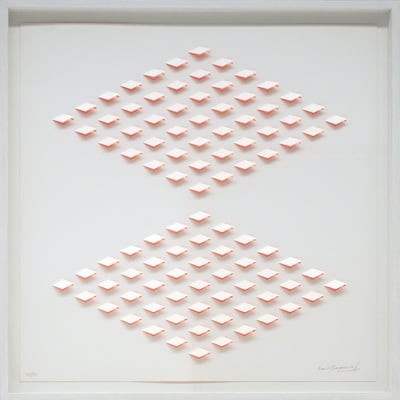
Luis Tomasello
S/T 2 - Naranja , 2013
Limited Edition Print
Lithograph
EUR 3,000

Luis Tomasello
S/T 1 - Rosa , 2013
Limited Edition Print
Lithograph
EUR 3,000

Luis Tomasello
S/T 1 - Naranja , 2013
Limited Edition Print
Lithograph
EUR 3,000
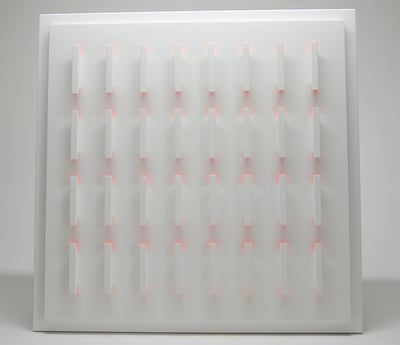
Luis Tomasello
Chromoplastique 1025, 2013
Sculpture / Object
Wood
EUR 4,000
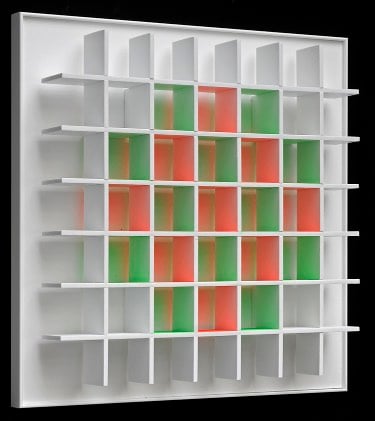
Luis Tomasello
Grille Chromoplastique B, 2012
Sculpture / Object
Mixed Media
EUR 2,000
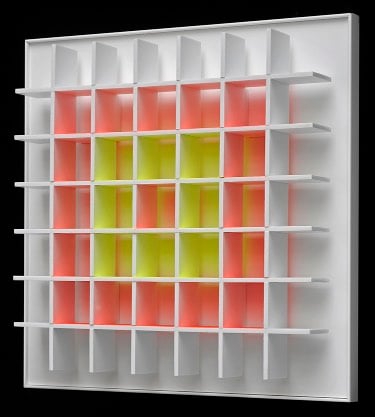
Luis Tomasello
Grille chromoplastique A, 2012
Sculpture / Object
Object
EUR 2,000

Luis Tomasello
Cube atmosphére chromoplastique, 2011
Sculpture / Object
Wood
EUR 6,000
Related Artists


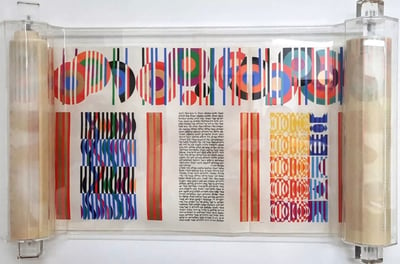
What is the Zero Movement?
ZERO was an art movement founded by Otto Piene and Heinz Mack, aiming to develop into a large international and cross-border movement. The name ZERO originated from a magazine founded by Heinz Mack in 1957, which became a platform for the group's ideas. The magazine was published for several years before ceasing in 1967. The ZERO movement sought to create a new beginning in art, emphasizing light, space, and movement, and became influential in post-war European art.


Luis Tomasello
S/T 2 - Verde, 2013
63 x 63 cm


