
What is Digital Art?
- Show All
- Established
- Discoveries
- Show All
Artworks Related to Digital Art
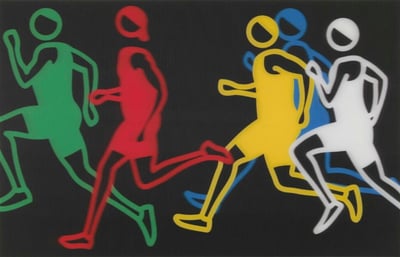
Julian Opie
Sprinters: Men sprinters 1, 2024
Limited Edition Print
Mixed Media
USD 12,000
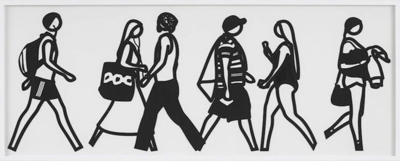
Julian Opie
Walking in Melbourne 6, 2018
Sculpture / Object
Mixed Media
Inquire For Price

Julian Opie
Four Parking Tickets, 1984
Sculpture / Object
Assemblage
Inquire For Price

Julian Opie
Ika (2), 2011
Limited Edition Print
Inkjet print
USD 14,000 - 16,000

Julian Opie
Ika (1), 2011
Limited Edition Print
Inkjet print
USD 14,000 - 16,000

Julian Opie
Mirjam, 2011
Limited Edition Print
Inkjet print
USD 13,000 - 15,000

Julian Opie
Felicia 1, 2011
Limited Edition Print
Inkjet print
USD 14,000 - 16,000

Miguel Chevalier
La Cannabis Sativa d’Edgar Poe Bleu Vert, 2025
Sculpture / Object
Acrylic sculpture
EUR 3,000

Miguel Chevalier
La Cannabis Sativa d’Edgar Poe Jaune Orange, 2025
Sculpture / Object
Acrylic sculpture
EUR 3,000

David Hockney
Hockney's Alphabet (The book), 1991
Limited Edition Print
Mixed Media
Inquire For Price

David Hockney
China Diary (MCA Tokyo 254), 1982
Limited Edition Print
Lithograph
USD 4,690

Julian Opie
Esther, 2025
Limited Edition Print
Mixed Media
GBP 15,450

Julian Opie
Keyush, 2025
Limited Edition Print
Mixed Media
GBP 15,450

Julian Opie
Paper Head 4, 2019
Limited Edition Print
Mixed Media
GBP 8,500 - 12,000
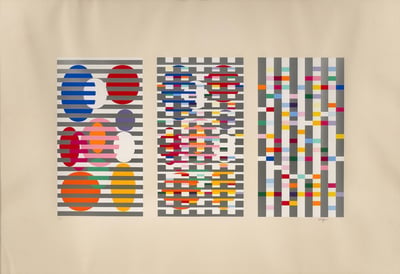
Yaacov Agam
Composition 2
Limited Edition Print
Screen-print
USD 890

Thomas Ruff
Untitled #01, 2022/2023
Photography
Photograph
GBP 1,950
Related Articles

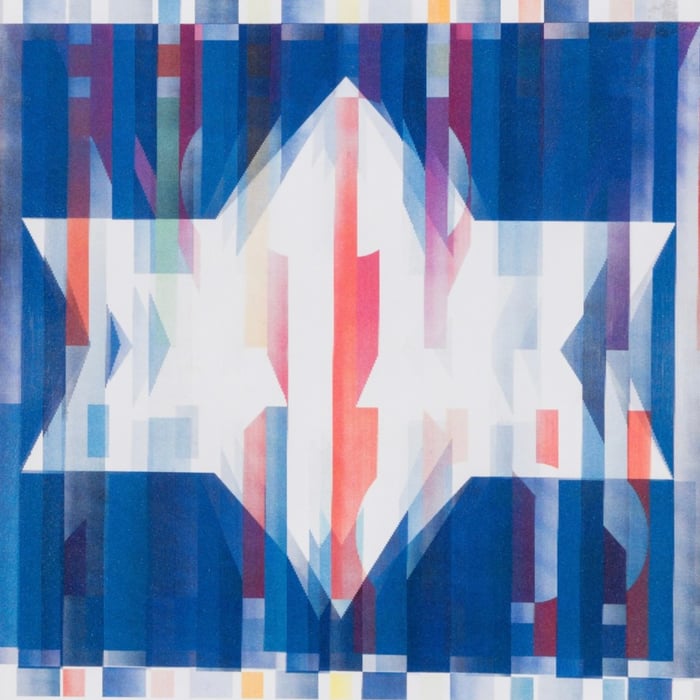
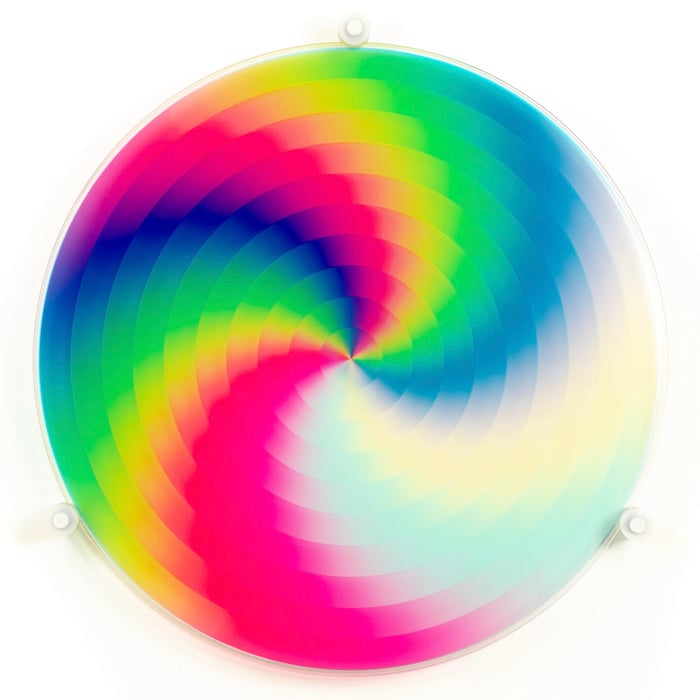

Interactive art is a form of art where the spectator is actively involved by the artist to achieve the artwork's purpose. This involvement can include allowing the visitor to walk around, in, or on the art installation, or even becoming a part of the artwork itself. Works in this category often feature computers, sensors, and interfaces that respond to various inputs such as meteorological changes, heat, motion, or other types of data programmed by the artist.
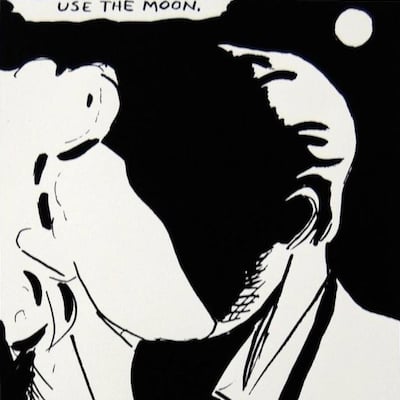
Comic strip art refers to artwork that utilizes the subject matter and commercial printing techniques found in comic strips. In the 1960s, a group of artists began creating paintings that incorporated Ben-Day dots—commonly used in comics and advertising—to produce highly graphic designs in bright colors, using traditional art media.
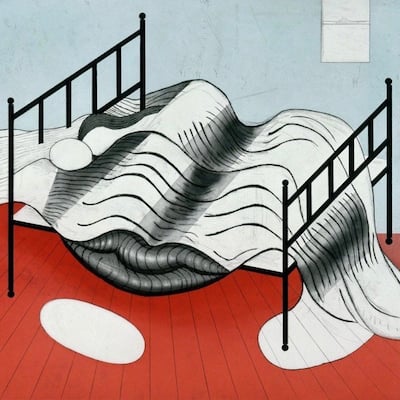
Postmodernism is an art movement that emerged as a reaction against authority and traditional boundaries, seeking to blur the lines between art and everyday life. It aimed to bridge the gap between the cultural elite and the general public by embracing eclectic mixtures of earlier conventions and styles. Postmodernist art often challenges established norms and celebrates diversity, irony, and pastiche, making it a movement that reflects the complexities of contemporary culture.
Can't find your Answer?
Thank you! Your question has been sent — we'll get back to you shortly.
