
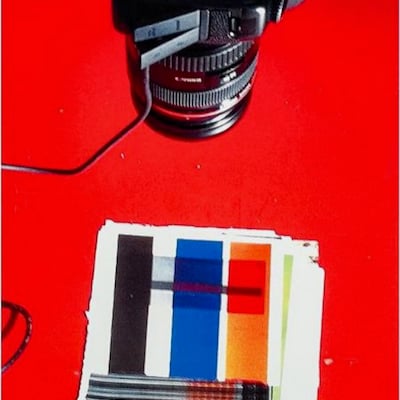
What is Digital Art?
- Show All
- Established
- Discoveries
- Show All
Artworks Related to Digital Art

Julian Opie
Mechanic (from Walking in London II), 2014
Limited Edition Print
Mixed Media
GBP 10,000 - 15,000

Julian Opie
Apartment 8, 2021
Limited Edition Print
Woodcut
USD 1,950

Julian Opie
Apartment 4, 2021
Limited Edition Print
Woodcut
USD 1,950
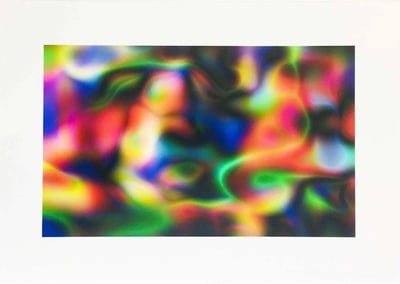
Thomas Ruff
Substrat 21 III, 2003-2019
Photography
C-Print
EUR 1,750
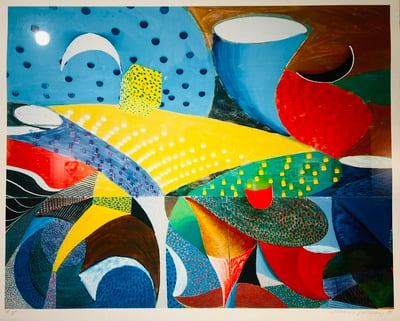
David Hockney
Snails Space, March 25th, 1995
Limited Edition Print
Digital Print on paper
EUR 40,000

Julian Opie
Imagine you are driving (fast): Jacques, 2002
Limited Edition Print
Mixed Media
EUR 9,900
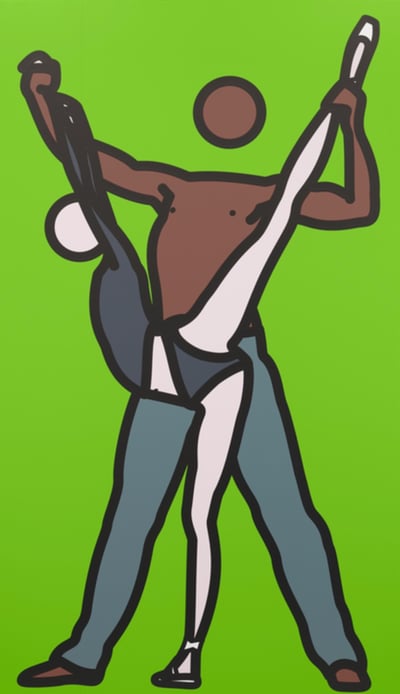
Julian Opie
Eric and Sarah 2, 2010
Painting
Mixed Media
Inquire For Price
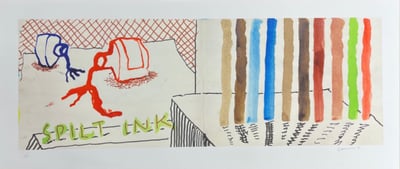
David Hockney
Spilt Ink with Tests, 2021
Limited Edition Print
Inkjet print
EUR 28,000
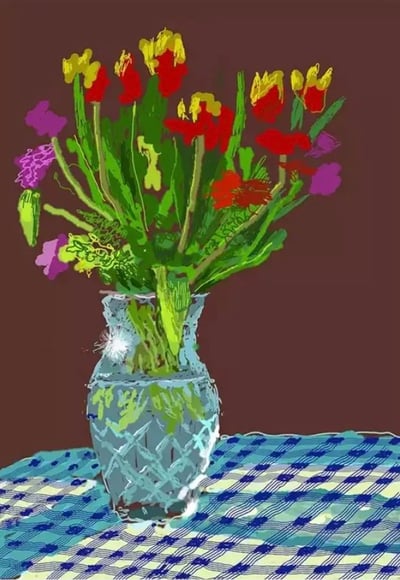
David Hockney
24th February 2021, Red, Yellow and Purple Flowers on a Blue Tablecloth, 2021
Limited Edition Print
Digital Print on paper
Inquire For Price
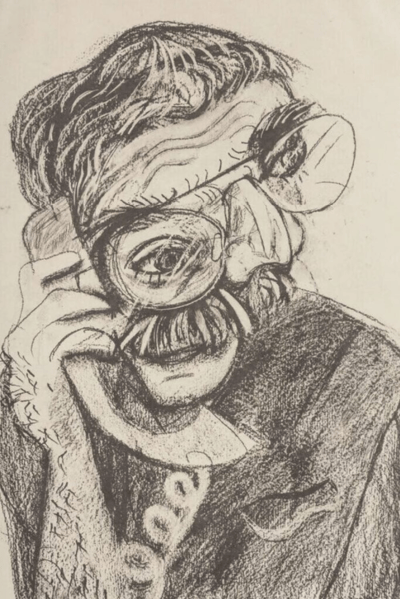
David Hockney
An Image of Ken, 1985
Limited Edition Print
Lithograph
GBP 23,000 - 26,000

Julian Opie
Woman taking off man's shirt, 2003
Limited Edition Print
Screen-print
USD 1,950

David Hockney
The Blue Guitar: title page, 1976-77
Limited Edition Print
Etching and Aquatint
USD 3,125

David Hockney
Yves Marie, 1974
Limited Edition Print
Lithograph
EUR 10,000

Julian Opie
Long Hair from Old Street Walkers, 2022
Sculpture / Object
Mixed Media
USD 20,000 - 25,000

David Hockney
Slightly damaged chair, Malibu, 1973
Limited Edition Print
Lithograph
Currently Not Available

Andreas Gursky
Fotograf, Düsseldorf, 1988
Photography
C-Print
Artwork On Hold
Related Articles

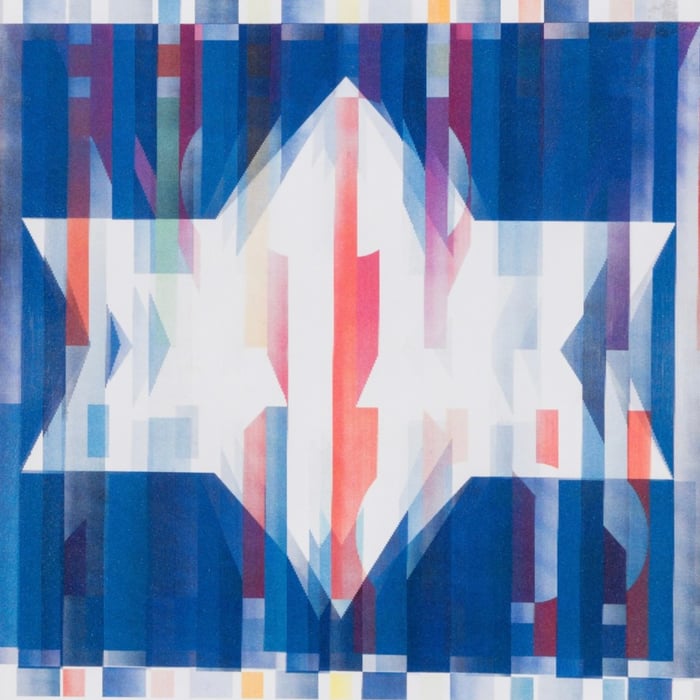
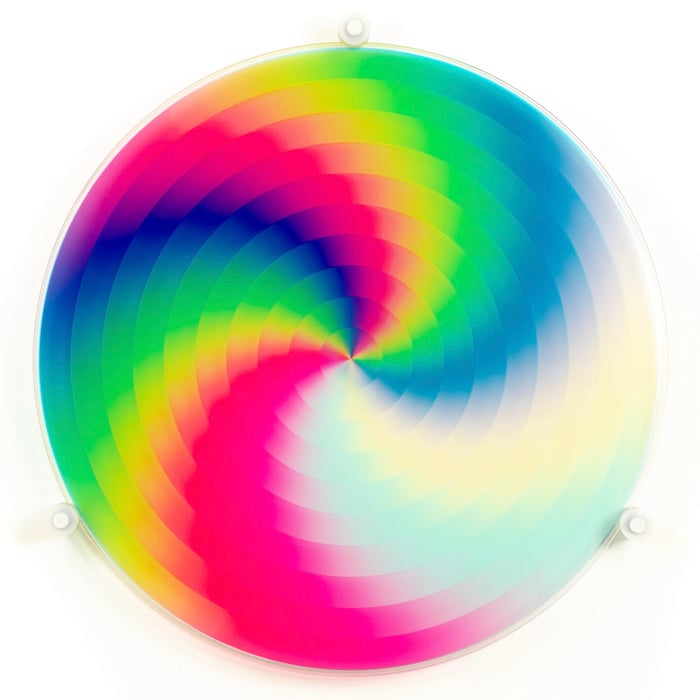

Tempera is a paint traditionally made by mixing colored pigments with egg yolk. It dries quickly and is highly durable, with some examples dating back to 100 AD still in existence. Modern tempera paint often uses glue size as a binder instead of egg yolk. Tempera is known for its bright colors and fine, detailed application, making it popular for panel paintings and icons.
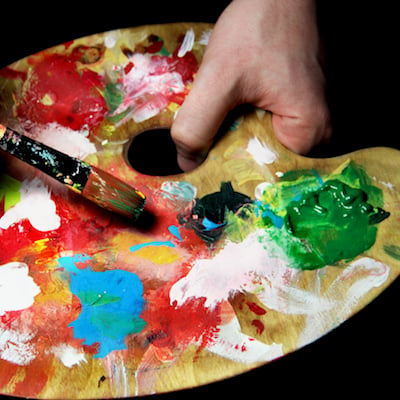
Oil on board is a painting technique where oil paint is applied to either wood panels that have been sanded and primed or high-density cardboard covered with canvas. These surfaces offer the advantage of being more compact for storage compared to traditional stretched canvas on frames, while still providing a stable surface for painting.
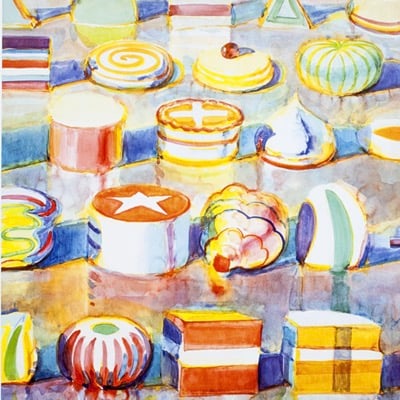
The Bay Area Figurative Movement, which also goes by the names Bay Area Figurative School, Bay Area Figurative Art, or Bay Area Figuration, came to existence in San-Francisco Bay Area. This was in the mid-20th century, when a group of artists from the area stopped working on the then popular Abstract Expressionism for a preference to figuration in painting. The movement lasted a total of two decades during the 1950's and 1960's.
Can't find your Answer?
Thank you! Your question has been sent — we'll get back to you shortly.
