
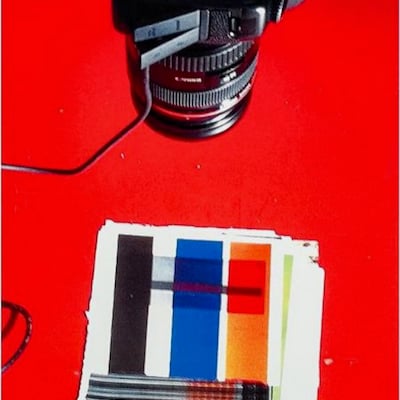
What is Digital Art?
- Show All
- Established
- Discoveries
- Show All
Artworks Related to Digital Art
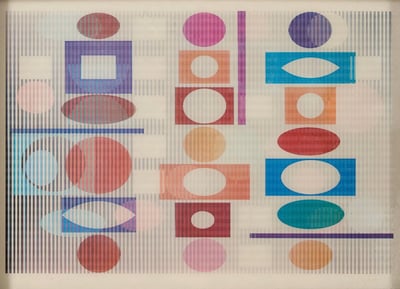
Yaacov Agam
Poly Meta
Limited Edition Print
Mixed Media
Inquire For Price
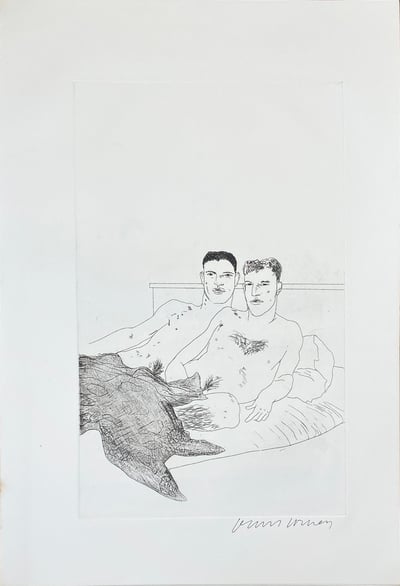
David Hockney
Illustrations for Fourteen Poems from C.P. Cavafy: The Beginning, 1966
Limited Edition Print
Etching and Aquatint
USD 5,800
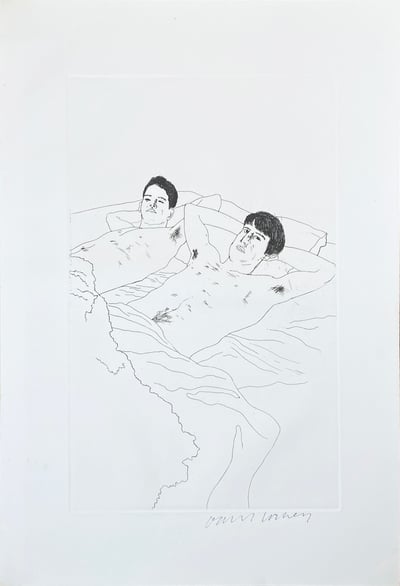
David Hockney
Illustrations for Fourteen Poems from C.P. Cavafy: In Despair, 1966
Limited Edition Print
Etching and Aquatint
USD 5,800

Julian Opie
Dance Synced 5, 2024
Limited Edition Print
Screen-print
USD 14,850

Julian Opie
Dance Synced 3, 2024
Limited Edition Print
Screen-print
USD 14,850
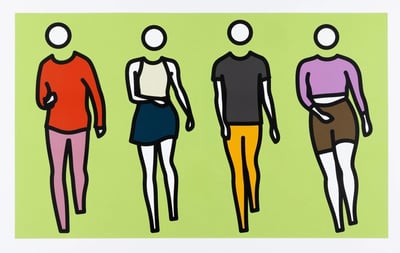
Julian Opie
Dance Synced 2, 2024
Limited Edition Print
Screen-print
USD 14,850

Julian Opie
Dance Synced 1, 2024
Limited Edition Print
Screen-print
USD 14,850
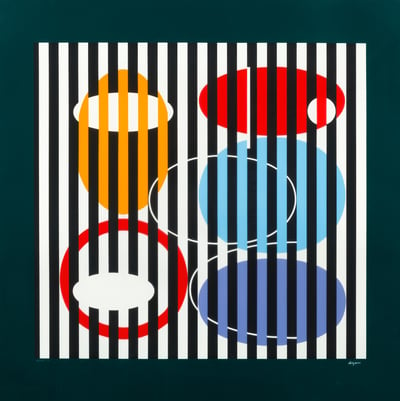
Yaacov Agam
End to end Suite, 1991
Limited Edition Print
Silkscreen
USD 1,025
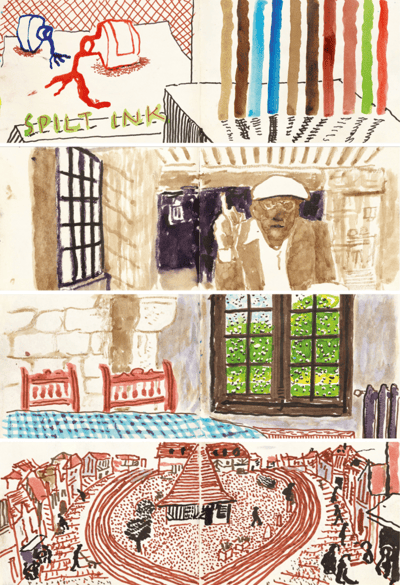
David Hockney
220 for 2020 (Complete Set), 2020
Limited Edition Print
Archival Print
USD 100,000 - 130,000
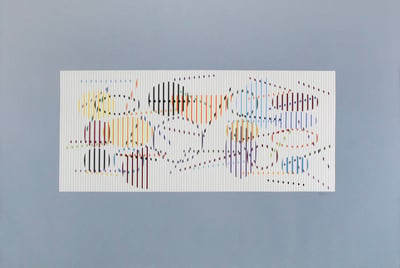
Yaacov Agam
Untitled (Composition), 1976
Limited Edition Print
Serigraph
USD 900
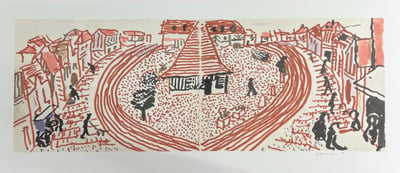
David Hockney
My Second Drawing of Beuvron-en-Auge, 2021
Limited Edition Print
Inkjet print
EUR 30,000

Julian Opie
Apartment 3, 2021
Limited Edition Print
Woodcut
USD 1,950
Tony Oursler
Private Listing
Drawing / Watercolor
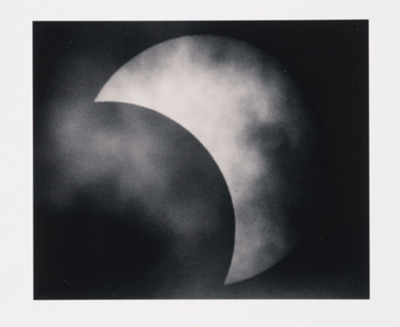
Thomas Ruff
Eclipse, 2004
Limited Edition Print
Photograph
USD 2,550

Julian Opie
Shirt from Crossing, 2021
Limited Edition Print
Mixed Media
USD 20,000 - 25,000

Julian Opie
Belgium (2), 2021
Sculpture / Object
Mixed Media
USD 17,750
Related Articles

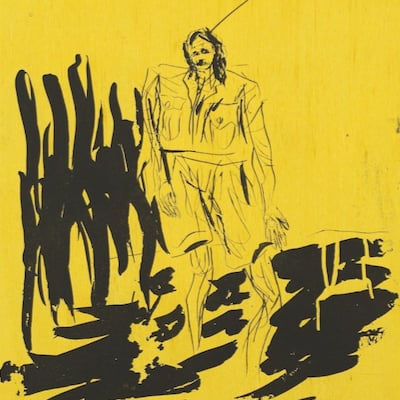
Neue Wilden is the term German artists used for Neo-Expressionism. In the 1970s and 80s, expressive painting re-emerged in Germany, with artists embracing intense colors and broad brushstrokes. The movement grew in opposition to minimal and conceptual art, favoring a return to raw, emotional expression through bold and dynamic painting techniques.

Figuration Libre is an art movement that is equivalent to the French Bad Painting and Neo-Expressionism in Europe and America. The term was coined by Ben Vautier and the Fluxus movement. In 1981, Robert Combas, François Boisrond, Hervé Di Rosa, and Rémi Blanchard formed the Figuration Libre group. The term can be interpreted as free style art, emphasizing spontaneity, freedom, and a rejection of traditional artistic conventions.
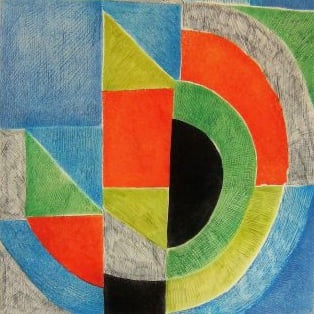
Réalités Nouvelles means new realities and refers to an exhibiting society founded in 1939 in Paris by Sonia Delaunay. The Salon des Réalités Nouvelles was dedicated to promoting abstract art, which it considered to be a new reality because it does not imitate the existing physical world. The movement emphasized that abstract art creates its own reality, independent of the external world, and played a significant role in the development and recognition of abstract art in the mid-20th century.
Can't find your Answer?
Thank you! Your question has been sent — we'll get back to you shortly.
