
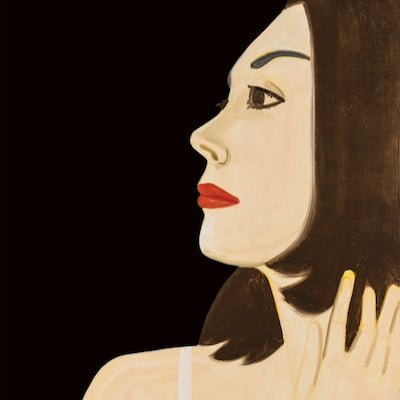
What is figurative art?
- Show All
- Established
- Discoveries
- Show All
Artworks Related to Figurative art

Sandro Chia
Untitled (Columbus: In Search of a New Tomorrow), 1992
Limited Edition Print
Screen-print
Inquire For Price

Yoshitomo Nara
Marching on a Buttefbur Leaf, 2019
Limited Edition Print
Offset Print
EUR 1,650
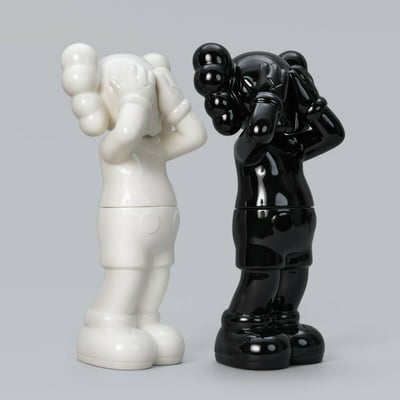
KAWS
Holiday UK (set of two), 2011
Sculpture / Object
Ceramic
EUR 2,500

Yoshitomo Nara
Doggy Radio, 2011
Sculpture / Object
Mixed Media
EUR 4,650
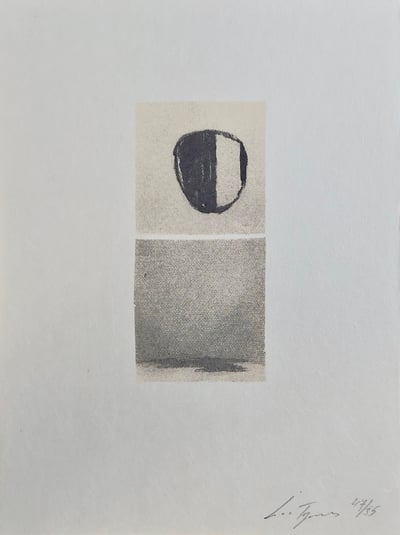
Luc Tuymans
Het versluierd beeld, 2001
Limited Edition Print
Screen-print
EUR 2,400

Eva Claessens
Embrace, 2025
Painting
Mixed Media
Inquire For Price
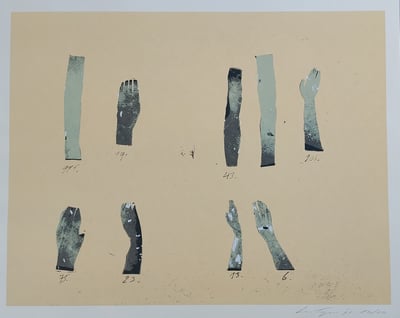
Luc Tuymans
Wiedergutmachung, 1995
Limited Edition Print
Silkscreen
EUR 2,400
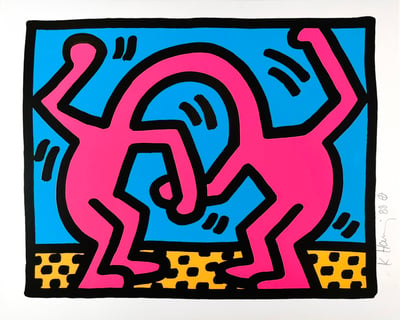
Keith Haring
Pop Shop II (D), 1988
Limited Edition Print
Silkscreen
USD 45,000 - 50,000
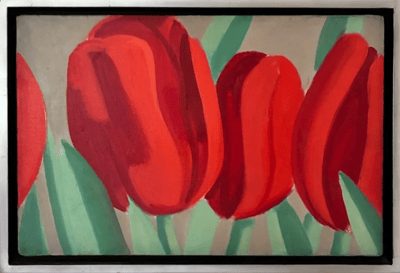
Alex Katz
Red Tulips, 1967
Painting
Oil on canvas
Inquire For Price
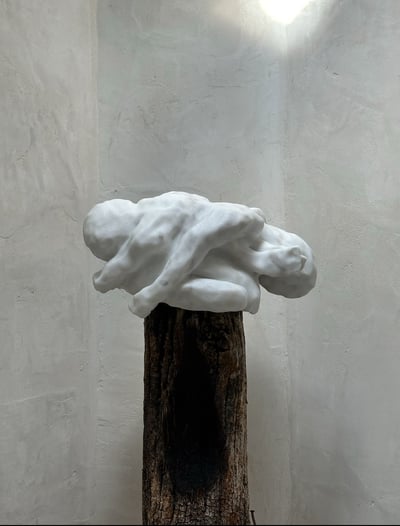
Eva Claessens
L'Amant, 2025
Sculpture / Object
Marble
Inquire For Price
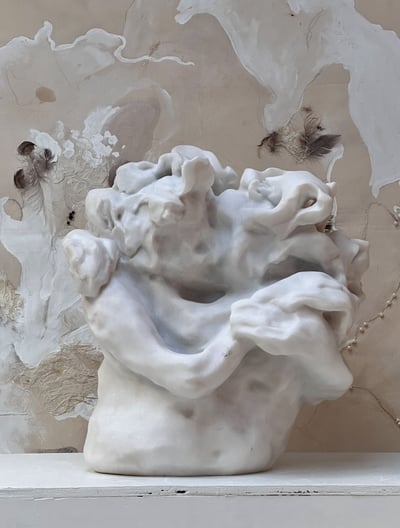
Eva Claessens
A hug, 2025
Sculpture / Object
Marble
Inquire For Price

Eva Claessens
Seeking the silence, 2025
Sculpture / Object
Marble
Inquire For Price

Francis Bacon
Seated Figure, 1983
Limited Edition Print
Etching and Aquatint
Currently Not Available

Willem de Kooning
Untitled from Self Portrait in a Convex Mirror, 1984
Limited Edition Print
Lithograph
Inquire For Price

Yoshitomo Nara
Mini Mori Girl, 2012
Sculpture / Object
Mixed Media
GBP 6,600
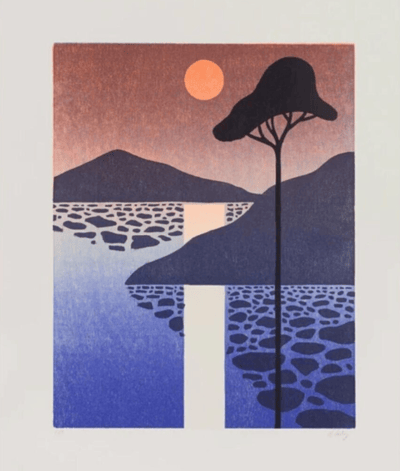
Nicolas Party
Sunset, 2021
Limited Edition Print
Woodcut
GBP 7,000 - 10,000
Related Articles

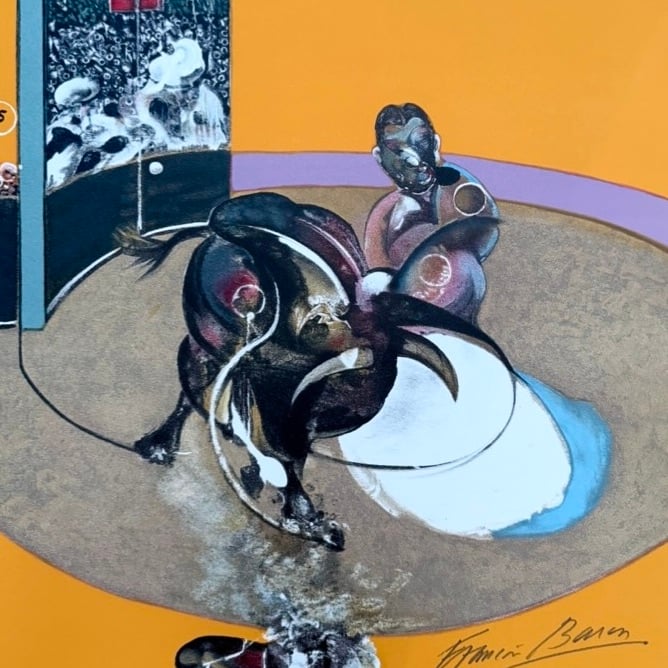


Authenticity refers to the qualities that define an original artwork as genuine, created by the artist under the original circumstances. A reproduction lacks authenticity because it was not made by the original artist and does not share the same context or creation process. The authenticity of an original artwork can be questioned when reproductions exist, which can diminish its value. Authenticity is often established through provenance, expert analysis, and documentation, ensuring the artwork's originality.

Silkscreen is a printmaking method that uses a screen made of silk or other mesh fabric. The screen is treated with a substance that blocks ink in certain areas, allowing ink to pass through only in the desired sections. Each color in the print requires a separate screen.

The Light and Space Movement refers to loosely affiliated art movements connected to minimalism, geometric abstraction, and op art that originated in Southern California in the 1960s. Greatly influenced by artist John McLaughlin, these artists focused on sensory phenomena such as light, perception, and space as central elements of their work. They also incorporated cutting-edge technologies from the aerospace and engineering industries to develop light-filled and sensuous objects, creating immersive experiences that emphasize the viewer's perception.
Can't find your Answer?
Thank you! Your question has been sent — we'll get back to you shortly.
