

What is figurative art?
- Show All
- Established
- Discoveries
- Show All
Artworks Related to Figurative art
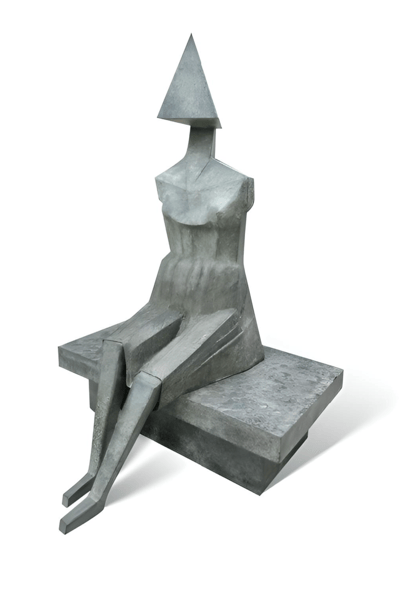
Lynn Chadwick
Little Girl III, 1987
Sculpture / Object
Bronze
Inquire For Price
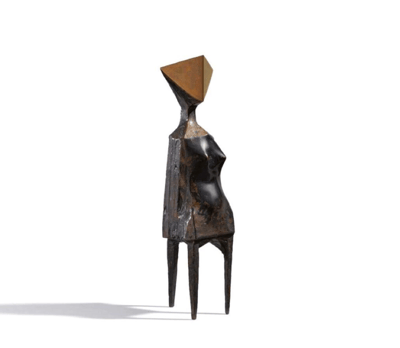
Lynn Chadwick
Little Girl, 1970
Sculpture / Object
Bronze
Inquire For Price
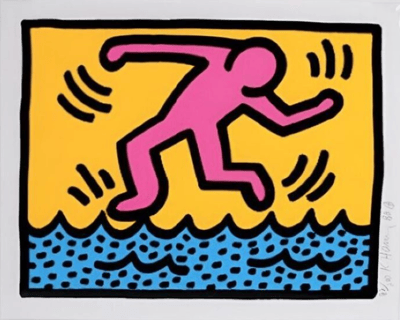
Keith Haring
Pop Shop II Plate 3, 1988
Limited Edition Print
Screen-print
Inquire For Price
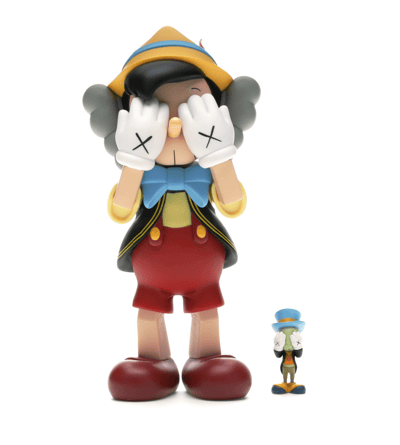
KAWS
Pinocchio & Jiminy Cricket, 2010
Sculpture / Object
Mixed Media
GBP 10,000 - 14,000
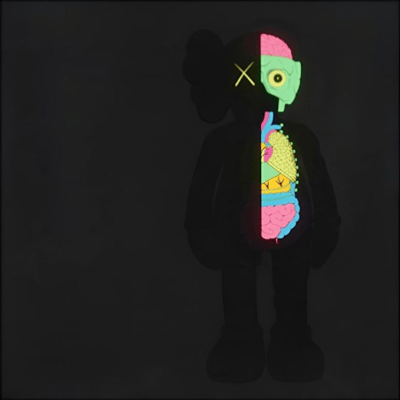
KAWS
Dissected Companion (Black), 2006
Limited Edition Print
Mixed Media
GBP 15,000 - 18,000
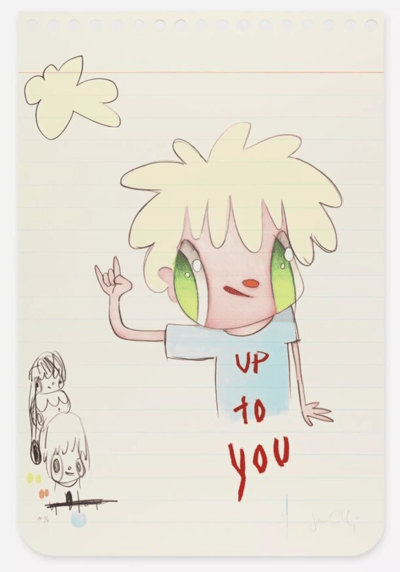
Javier Calleja
Up To You, 2020
Limited Edition Print
Mixed Media
Inquire For Price

Javier Calleja
No Wings to Fly, 2023
Sculpture / Object
Mixed Media
GBP 5,800
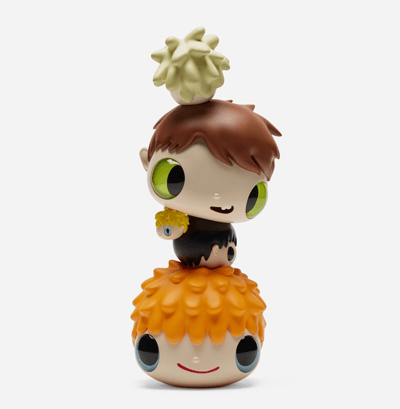
Javier Calleja
Heads ver.2, 2022
Sculpture / Object
Glass
GBP 3,500
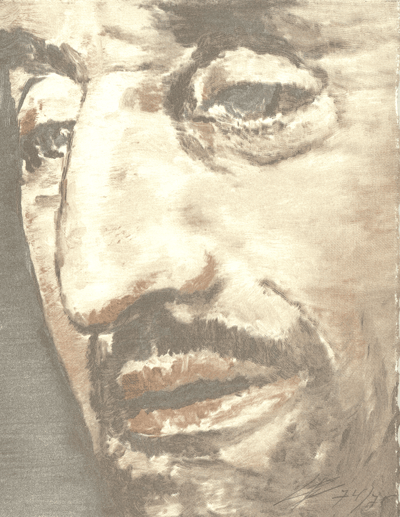
Luc Tuymans
The Nose/Le Nez, 2014
Limited Edition Print
Lithograph
USD 3,960

Luc Tuymans
Isabel, Diorama, Scramble, Twenty Seventeen, 2017
Limited Edition Print
Etching
USD 10,000 - 14,000

Kerry James Marshall
Untitled (Woman), 2017
Limited Edition Print
Etching
Currently Not Available
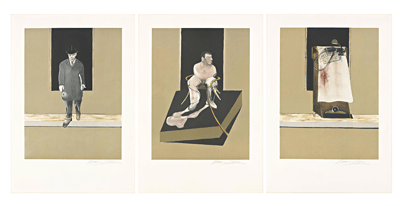
Francis Bacon
Tryptych, 1986/1987
Limited Edition Print
Etching and Aquatint
Inquire For Price
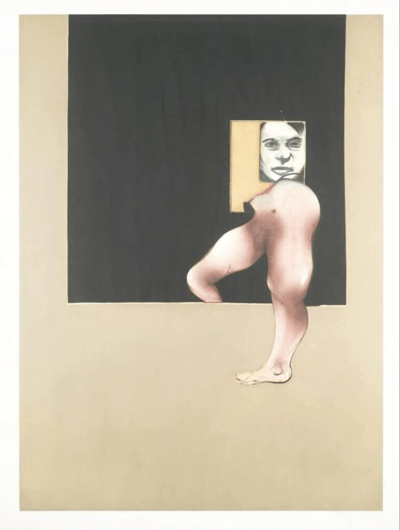
Francis Bacon
Tryptych, 1992
Limited Edition Print
Aquatint
Inquire For Price
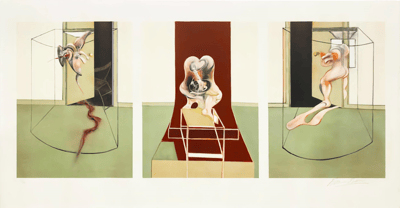
Francis Bacon
Triptych Inspired by Oresteia of Aeschylus (s.9503), 1981
Limited Edition Print
Lithograph
Inquire For Price
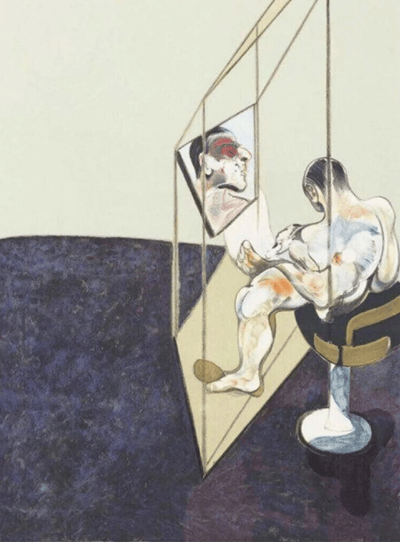
Francis Bacon
Three Studies of Male Back (One Work - Right hand panel of the triptych), 1987
Limited Edition Print
Lithograph
Inquire For Price
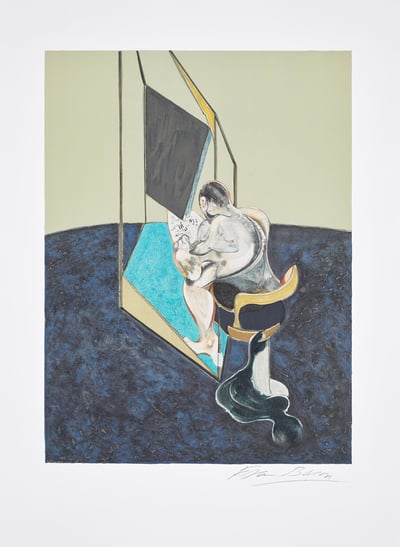
Francis Bacon
Three Studies of Male Back (One Work - Central panel of the triptych), 1987
Limited Edition Print
Lithograph
GBP 18,000 - 22,000
Related Articles

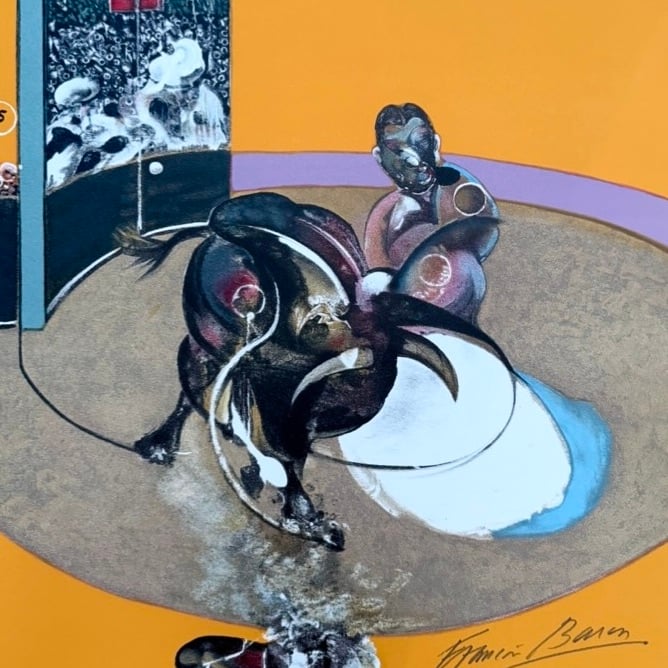


Monoprinting is a printmaking technique where a single impression is created from a re-printable surface, such as a lithographic stone, wood block, or metal plate. Unlike traditional printmaking, where multiple copies are produced, monoprinting results in a unique image. Techniques used in monoprinting include etching, lithography, and woodcut, but the key characteristic is that each print is one-of-a-kind.
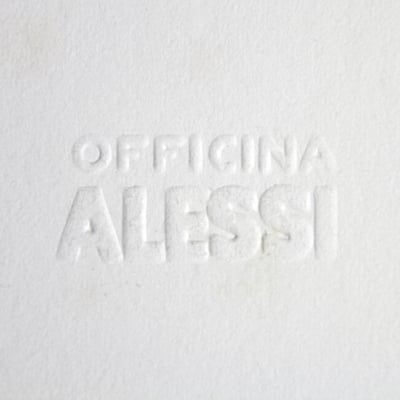
A watermark is an image or pattern embedded into a sheet of paper during the papermaking process. Each papermaker includes a faint trademark, which becomes visible when the paper is held up to a light source. Watermarks serve as a mark of authenticity and are used for identification, often carrying historical significance in determining the origin and age of the paper.

Gouache is an opaque watercolor paint that allows artists to layer from light to dark. Unlike traditional transparent watercolors, gouache is used for creating solid, vibrant colors. It belongs to the water-media category and is made of pigment, a binding agent, and an inert material, specifically designed for opaque painting.
Can't find your Answer?
Thank you! Your question has been sent — we'll get back to you shortly.
