
What is figurative art?
- Show All
- Established
- Discoveries
- Show All
Artworks Related to Figurative art

Karel Appel
A Group of 3 Screenprints, 1975 / 1978
Limited Edition Print
Screen-print
USD 2,810

Keith Haring
The Story of Red and Blue #5, 1989–90
Limited Edition Print
Screen-print
USD 4,500

Keith Haring
The Story of Red and Blue #2, 1989-1990
Limited Edition Print
Screen-print
USD 4,500

Georg Baselitz
Hirsche (set of 4), 2022
Limited Edition Print
Etching and Aquatint
Make Your Offer

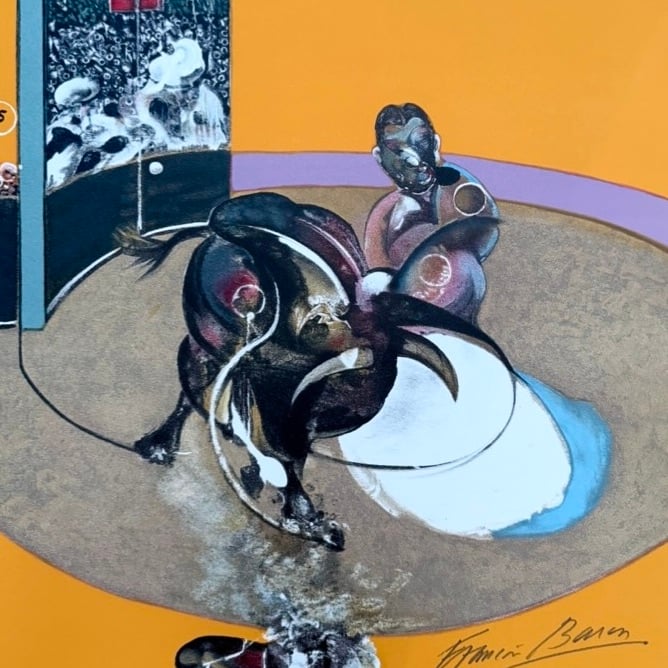
Francis Bacon
Triptych (Centre), 1983
Limited Edition Print
Lithograph
EUR 18,800
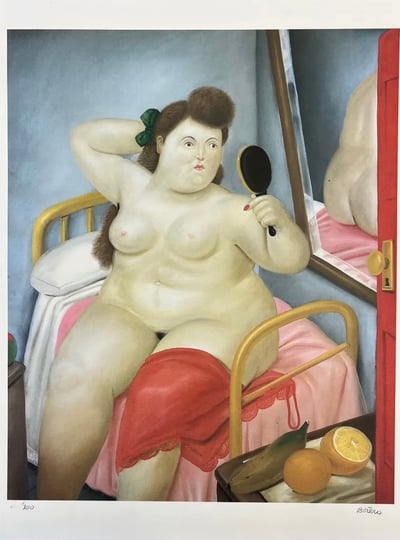
Fernando Botero
La Toilette, 1983
Limited Edition Print
Offset Print
EUR 6,870

Sandro Chia
Senza titolo (Tavolo), 2001
Sculpture / Object
Mixed Media
Inquire For Price
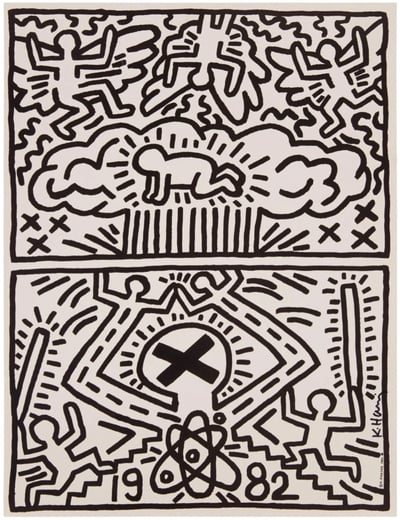
Keith Haring
Poster for Nuclear Disarmament, 1982
Limited Edition Print
Offset Print
USD 11,000 - 15,000

Panamarenko
Portable Air Transport, 1969
Limited Edition Print
Offset Print
EUR 3,300
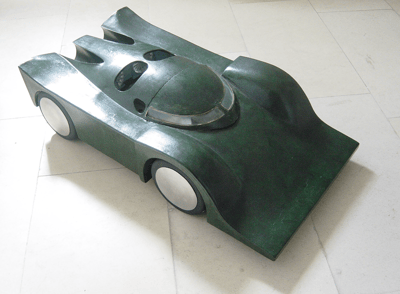
Panamarenko
Polistes, 1990
Sculpture / Object
Mixed Media
Inquire For Price
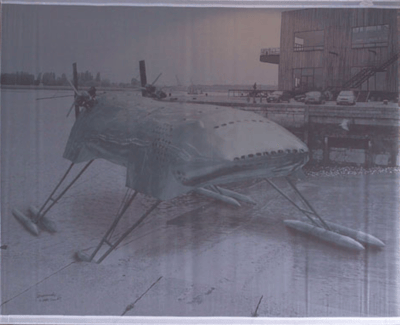
Panamarenko
Scotch Gambit at Rijnkaai, Antwerpen, 2001
Limited Edition Print
Monoprint
Inquire For Price

Panamarenko
Noordpool-Arlikoop, 2004
Limited Edition Print
Inkjet print
EUR 9,500
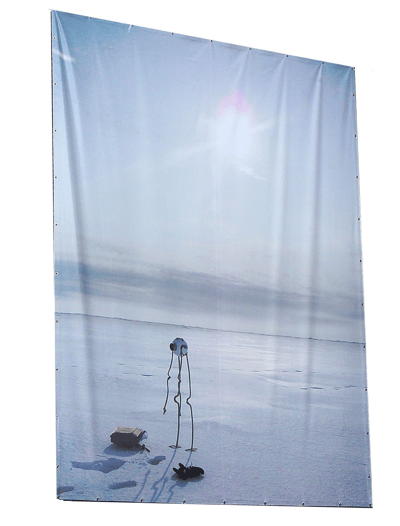
Panamarenko
Noordpool-Arlikoop, 2004
Limited Edition Print
Inkjet print
EUR 12,500

Stephan Balkenhol
Teddy, 2004
Limited Edition Print
Woodcut
EUR 1,600
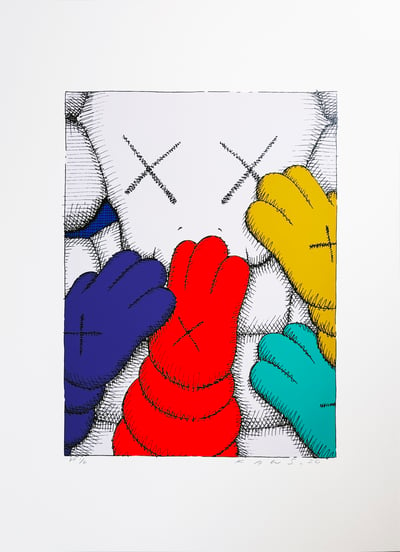
KAWS
Untitled II (Urge), 2020
Limited Edition Print
Silkscreen
Inquire For Price
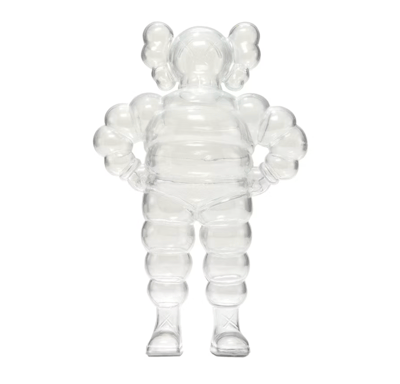
KAWS
Chum Vinyl Figure, 2002
Sculpture / Object
Mixed Media
Inquire For Price
Related Articles



Appropriation in art involves using pre-existing images or objects with little or no modification. This technique has played a significant role across various art forms, including visual arts, music, performance, and literature. In visual arts, appropriation refers to the practice of adopting, sampling, recycling, or borrowing elements—or even entire forms—of existing visual culture, integrating them into new works to create meaning or critique.
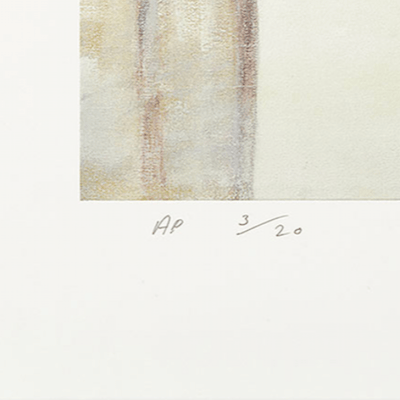
An artist proof traditionally refers to a print impression taken during the printing process to evaluate the current state of the artwork as the artist works on the plate. These proofs often show incomplete images and are sometimes called trial impressions or working proofs. However, in modern practice, an artist proof typically refers to an impression of the finished work that is identical to the numbered edition copies but is set aside for the artist's personal use. Artist proofs are usually marked A.P. and may be considered more valuable by collectors due to their limited availability.
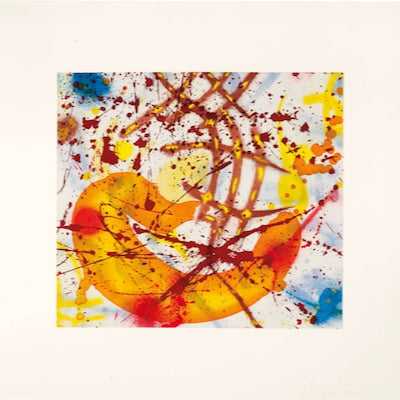
Action Painting is a style of painting where the physical act of creating art—such as gestural brushstrokes, splashing or dripping paint, or moving and dancing while applying paint—is considered essential to the artwork itself. This approach emphasizes the artist's movement and spontaneity as integral to the creative process.
Can't find your Answer?
Thank you! Your question has been sent — we'll get back to you shortly.
