
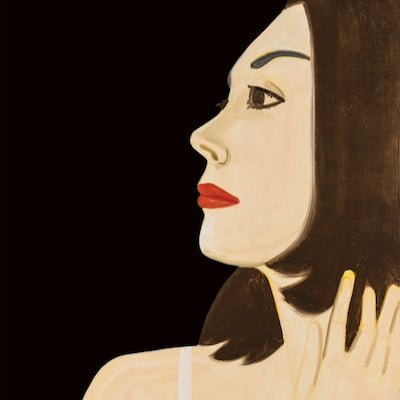
What is figurative art?
- Show All
- Established
- Discoveries
- Show All
Artworks Related to Figurative art
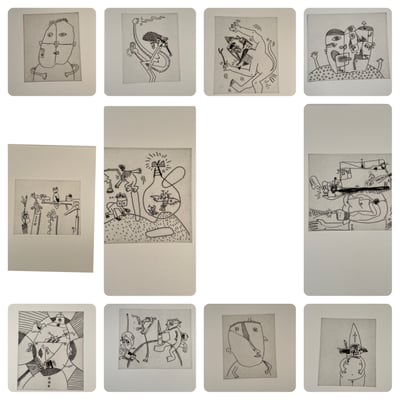
Keith Haring
Untitled (w/ Sean Kalish) - set, 1989
Limited Edition Print
Etching
USD 35,000 - 45,000

Keith Haring
Untitled (w/ Sean Kalish) #3, 1989
Limited Edition Print
Etching
USD 3,600
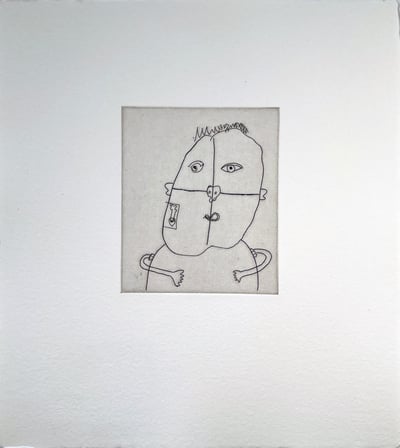
Keith Haring
Untitled (w/ Sean Kalish) #1, 1989
Limited Edition Print
Etching
USD 3,600
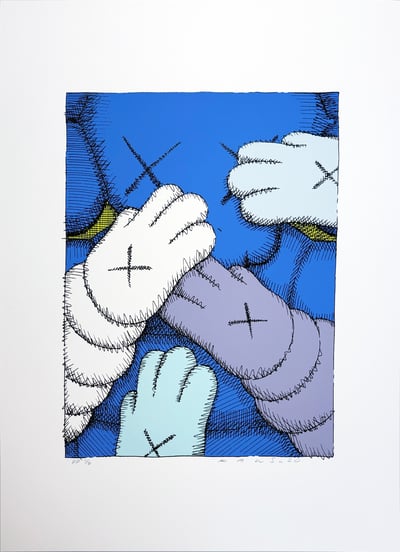
KAWS
Untitled V (Urge), 2020
Limited Edition Print
Silkscreen
EUR 7,800

Yoshitomo Nara
WOW (Works on Whatever) Project beach towel, 2010
Tapestry
Digital print on canvas
USD 12,000

Rose Wylie
Grumpy Girl, 2020
Limited Edition Print
Lithograph
USD 2,500

Nicolas Party
Untitled (Artist's Blanket), 2017
Tapestry
Tapestry
USD 2,500

Gunther Forg
The Reason Why I Work With Maurice, is Because Here the Beer Cost Me Nothing, 1990
Limited Edition Print
Lithograph
USD 6,000
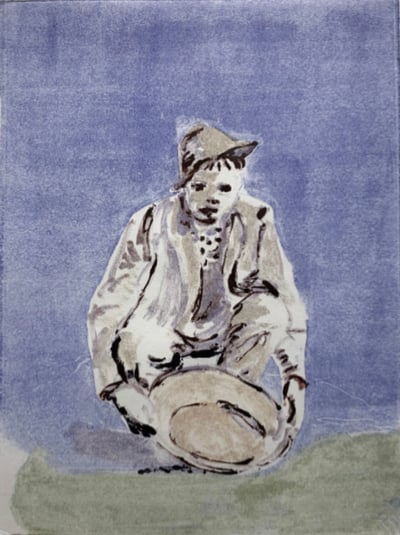
Claire Tabouret
The Gold Miners 26, 2017
Drawing / Watercolor
Acrylic on paper
Inquire For Price
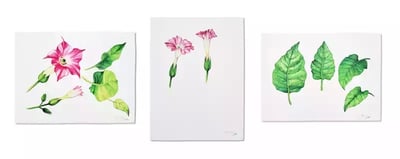
Kehinde Wiley
Nicotiana Tabacum, 2015
Drawing / Watercolor
Watercolor
Inquire For Price

Eva Claessens
Seeking the Silence, 2024
Sculpture / Object
Marble
EUR 9,400
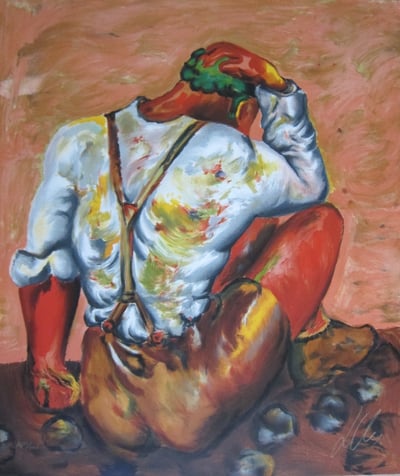
Sandro Chia
Lonely Explore, 1991
Limited Edition Print
Lithograph
EUR 1,900

Eva Claessens
Seeking the silence, 2025
Painting
Acrylic on canvas
EUR 2,680

Eva Claessens
Dao, 2025
Painting
Acrylic on canvas
EUR 2,380
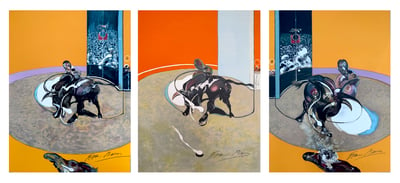
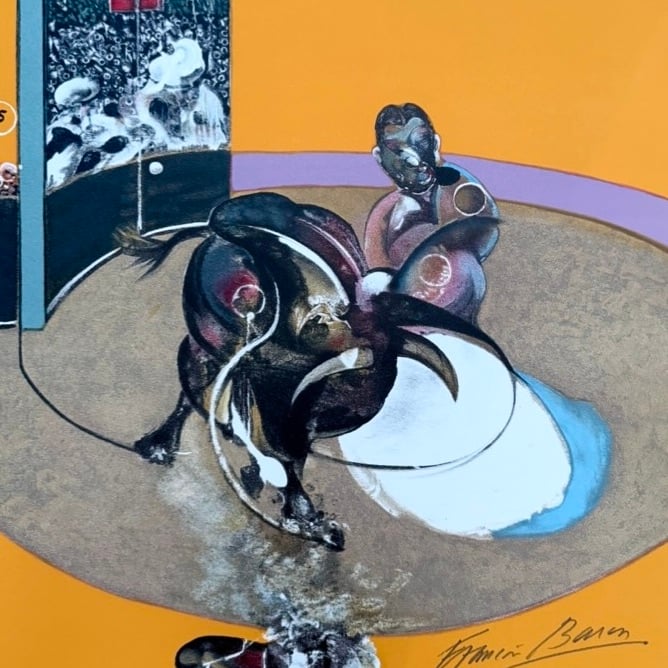
Francis Bacon
Miroir de la Tauromachie, 1990
Limited Edition Print
Lithograph
Inquire For Price
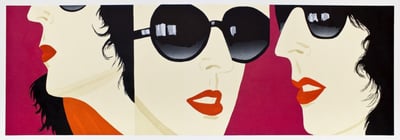
Alex Katz
Marissa, 2017
Limited Edition Print
Mixed Media
USD 32,500
Related Articles


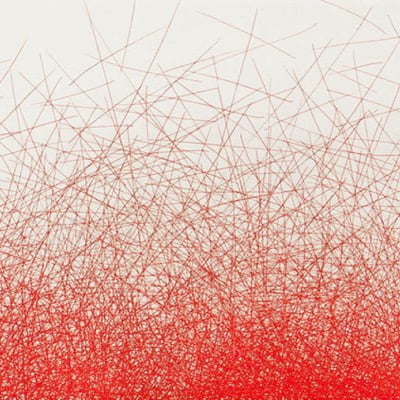
Tansaekhwa, also known as monochrome painting, is a movement in Korean art that began in the mid-1970s. These artworks are characterized by the manipulation of painting materials, such as pushing paint, soaking the canvas, ripping paper, or other techniques that alter the medium. Tansaekhwa emphasizes texture, materiality, and the physical process of creating the artwork.

Gestural art is a term that describes painting with freely sweeping brushstrokes. The primary goal of gestural art is to allow the artist to physically express emotional impulses. The varied, yet expressive paint marks are intended to convey the artist's inner thoughts and emotions, which viewers are believed to understand through the dynamic and spontaneous application of paint.

Constructivism is an architectural and artistic philosophy of Russian origin that emerged as a rejection of the idea of autonomous art. The movement advocated for art to serve practical social purposes. Since its inception in 1919, Constructivism has evolved and significantly impacted 20th-century art movements, influencing major trends such as De Stijl and Bauhaus.
Can't find your Answer?
Thank you! Your question has been sent — we'll get back to you shortly.
