
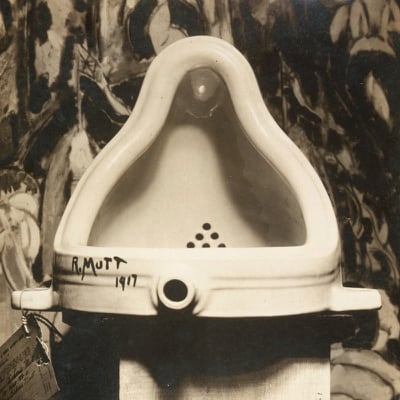
What is Found Object?
- Show All
- Established
- Discoveries
- Show All
Artworks Related to Found Object

David Shrigley
Never Forget How Beautiful You Are, 2025
Drawing / Watercolor
Acrylic on paper
GBP 5,500 - 7,100

Tracey Emin
She Watched, 2017
Limited Edition Print
Lithograph
GBP 4,750 - 7,000

Tracey Emin
I Promise To Love You, 2014
Limited Edition Print
Lithograph
GBP 5,000 - 6,000
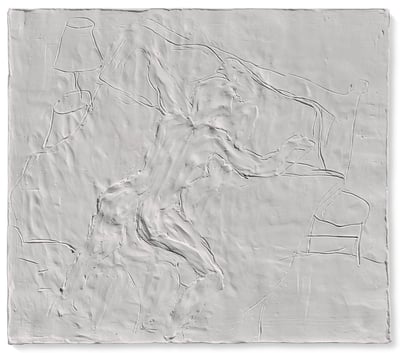
Tracey Emin
Holding On To You, 2015
Sculpture / Object
Bronze
GBP 35,000 - 45,000
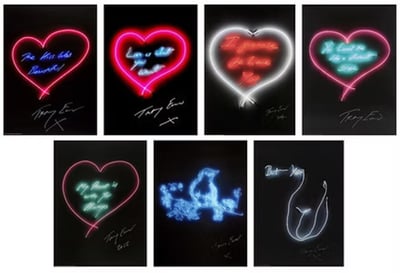
Tracey Emin
Full Set of Hand-Signed Love Neon Posters, 2014/2015
Limited Edition Print
Lithograph
GBP 22,500 - 30,000

Tracey Emin
Every Bodies Been There, 1998
Limited Edition Print
Lithograph
GBP 2,340
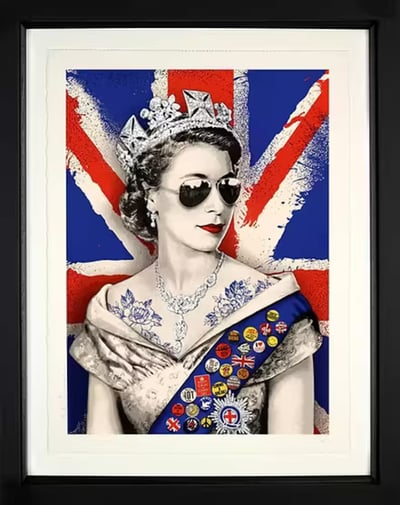
Mr. Brainwash
Queen of Hearts
Limited Edition Print
Silkscreen
GBP 11,000 - 13,000
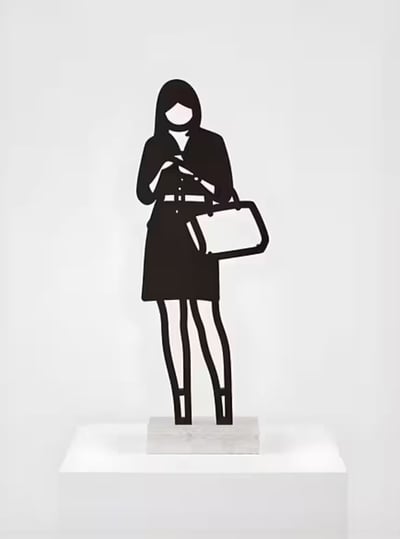
Julian Opie
Handbag, 2020
Sculpture / Object
Bronze
GBP 10,000 - 12,000
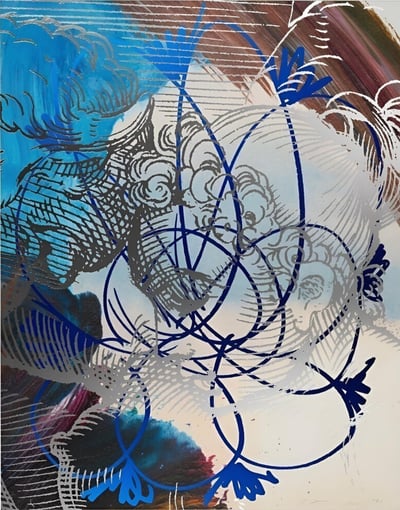
Jeff Koons
Carracci Flower, 2021
Limited Edition Print
Pigment print
GBP 14,000 - 16,000

Damien Hirst
Transient Ephemera from The Dreams H19-4, 2025
Limited Edition Print
Mixed Media
GBP 5,500 - 7,100
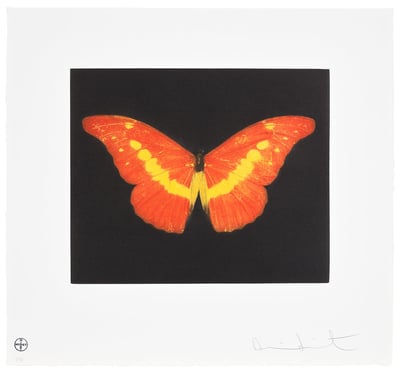
Damien Hirst
To Love, 2008
Limited Edition Print
Etching
GBP 8,500 - 11,000
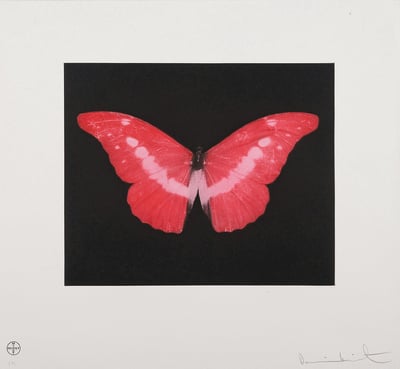
Damien Hirst
To Lose, 2008
Limited Edition Print
Aquatint
GBP 8,500 - 11,000
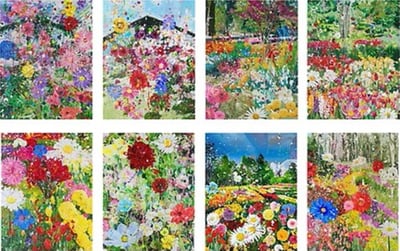
Damien Hirst
The Secrets H14, Full Set, 2024
Limited Edition Print
Mixed Media
GBP 55,000 - 71,500
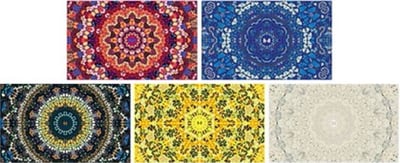
Damien Hirst
The Kaleidoscopes H18, Full Set, 2024
Limited Edition Print
Mixed Media
GBP 60,000 - 78,000
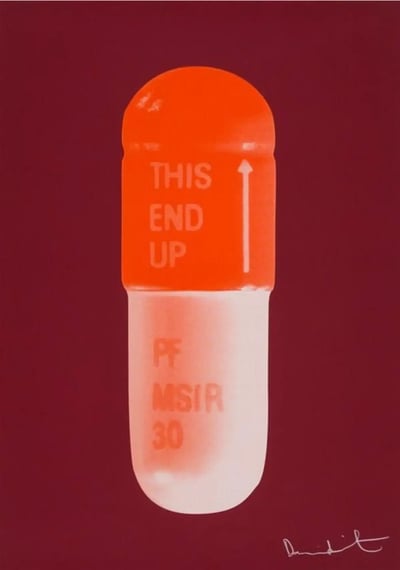
Damien Hirst
The Cure (Sienna Red/Tangerine/Light Tangerine), 2014
Limited Edition Print
Screen-print
GBP 8,500 - 11,000
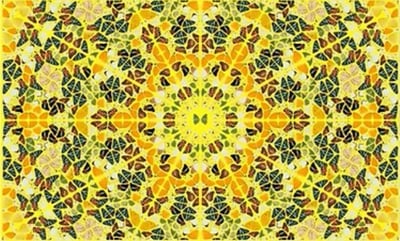
Damien Hirst
Splendour from the Kaleidoscopes, H18-4, 2024
Limited Edition Print
Mixed Media
GBP 9,950 - 12,900
Related Articles
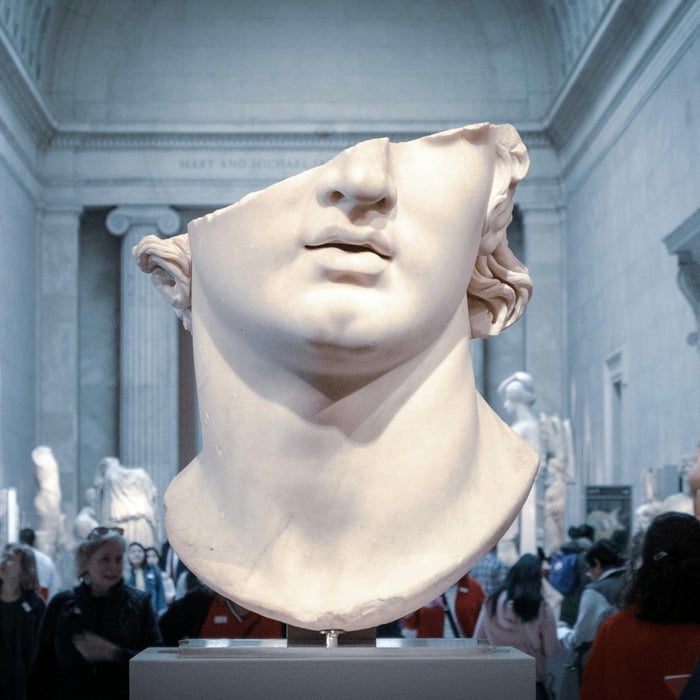
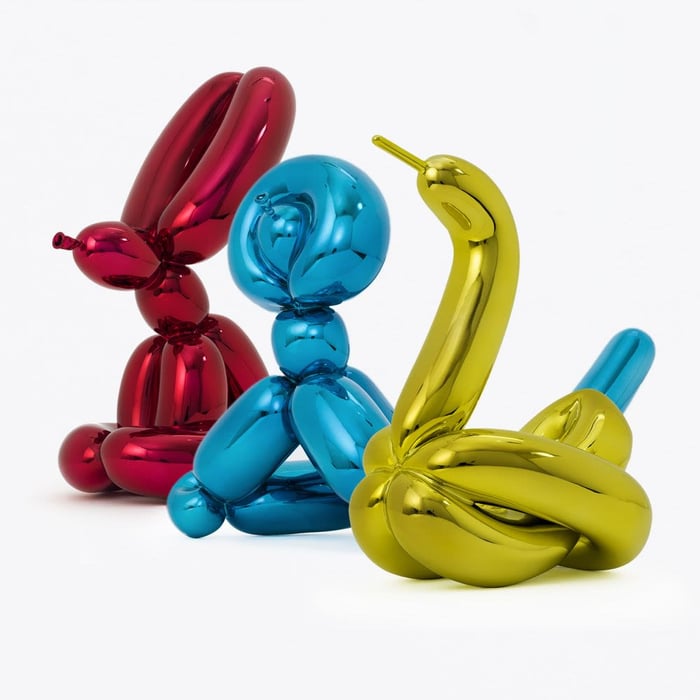


Found objects (or objet trouvé in French) are everyday items that an artist finds and incorporates into a work of art. While collectors have displayed aesthetically pleasing objects for centuries, modern art often uses objects that originally had non-artistic functions, such as recycled or repurposed materials.

Lowbrow is a derogatory term that refers to certain forms of popular culture. It describes an art movement that began in Los Angeles in the 1970s. The term lowbrow originally refers to a person with little intellectual or refined taste. The Lowbrow art movement, also known as Pop Surrealism, blends elements of underground comics, punk music, hot rod culture, and other subcultures, often with a sense of humor and irony.

Pop Art is an art movement that began in Britain in 1955 and in the late 1950s in the U.S. It challenged traditional fine arts by incorporating imagery from popular culture, such as news, advertising, and comic books. Pop Art often isolates and recontextualizes materials, combining them with unrelated elements. The movement is more about the attitudes and ideas that inspired it than the specific art itself. Pop Art is seen as a reaction against the dominant ideas of Abstract Expressionism, bringing everyday consumer culture into the realm of fine art.
Can't find your Answer?
Thank you! Your question has been sent — we'll get back to you shortly.
