
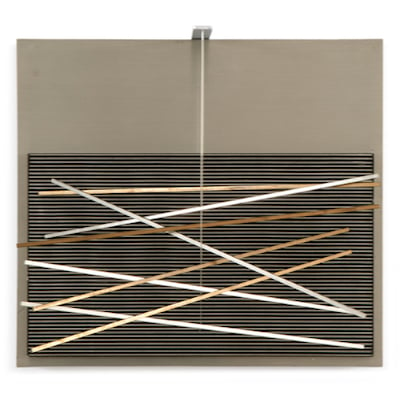
What is kinetic art?
- Show All
- Established
- Discoveries
- Show All
Artworks Related to Kinetic art

Victor Vasarely
Album Meta: Seven Plates 4, 1976
Limited Edition Print
Screen-print
USD 3,700
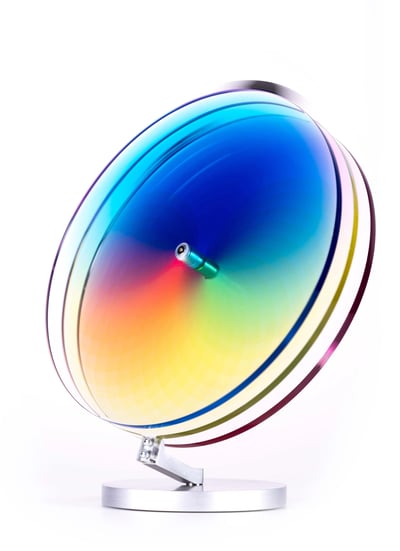
Felipe Pantone
Subtractive Variability Kosmos Axis, 2024
Sculpture / Object
Mixed Media
EUR 5,000

Julio Le Parc
Collage 4, 2017
Drawing / Watercolor
Collage
Currently Not Available
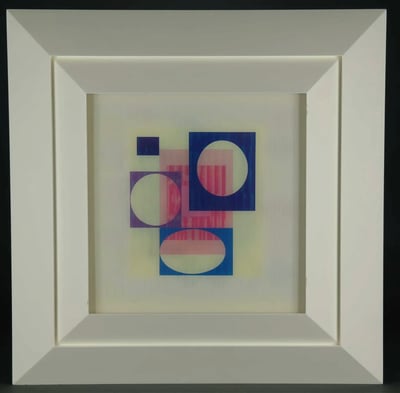
Yaacov Agam
Untitled (Yellow Haze), 1995
Limited Edition Print
Mixed Media
Inquire For Price
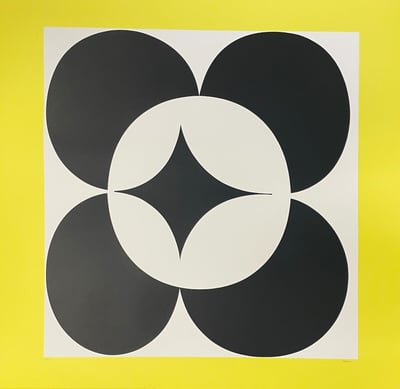
Yaacov Agam
Circles in Yellow, 1980
Limited Edition Print
Serigraph
USD 850

Rafael Jesus Soto
Composición, 1971
Limited Edition Print
Silkscreen
EUR 3,125

Gunther Uecker
Baum. Kunstpranger, 1984
Sculpture / Object
Mixed Media
EUR 10,800
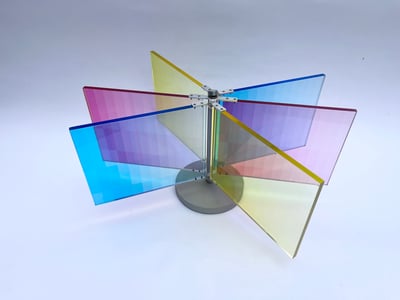
Felipe Pantone
Subtractive Variability Orbital, 2023
Sculpture / Object
Mixed Media
EUR 4,500 - 7,000

Julio Le Parc
Color Secuencia 14, 2024
Limited Edition Print
Lithograph
EUR 5,000

Julio Le Parc
Color Secuencia 13, 2024
Limited Edition Print
Lithograph
EUR 5,000
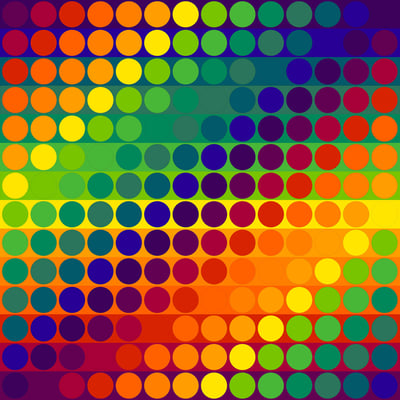
Julio Le Parc
Color Secuencia 12, 2024
Limited Edition Print
Lithograph
EUR 5,000

Julio Le Parc
Color Secuencia 11, 2024
Limited Edition Print
Lithograph
EUR 5,000

Julio Le Parc
Color Secuencia 10, 2024
Limited Edition Print
Lithograph
EUR 5,000

Julio Le Parc
Color Secuencia 9, 2024
Limited Edition Print
Lithograph
EUR 5,000
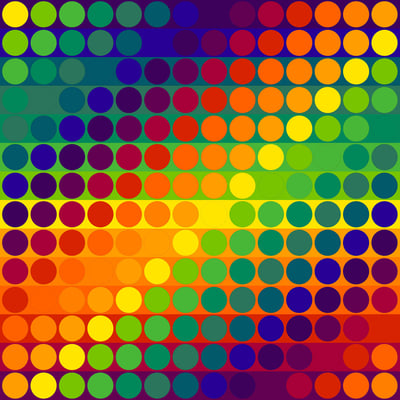
Julio Le Parc
Color Secuencia 8, 2024
Limited Edition Print
Lithograph
EUR 5,000
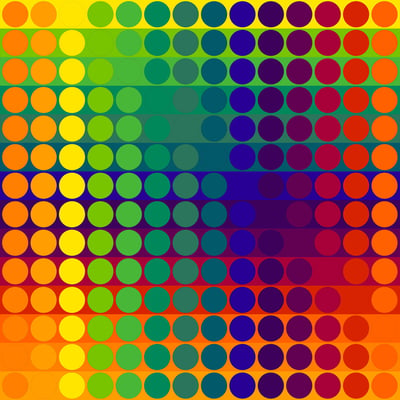
Julio Le Parc
Color Secuencia 7, 2024
Limited Edition Print
Lithograph
EUR 5,000
Related Articles

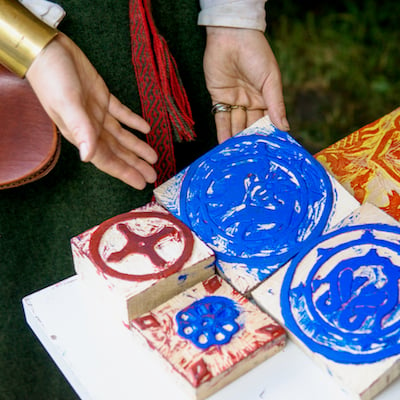
Woodcut is a printing technique where an image is carved into the surface of a woodblock using gouges, with the remaining flat surface holding the ink for printing. The areas cut away by the artist do not carry ink, while the uncut areas do, producing the desired print. The carving follows the wood's grain, unlike wood engraving, where the block is cut across the end-grain. Ink is applied to the surface with a roller, ensuring only the flat, uncarved areas receive ink, leaving the recessed, non-printing areas clean.

Spatialism is an art movement that originated in Italy in 1947, founded by Lucio Fontana with the intention of synthesizing sound, color, movement, and space into a new form of art. The movement's central ideas were outlined in Fontana's first manifesto, published in 1947, where he introduced the concept of spatial art to capture the spirit of the post-war era. His ideas were further developed in five subsequent manifestos. Although Fontana's ideas were sometimes considered vague, his influence was significant, as he was one of the first European artists to emphasize art as a performance and gesture.

Art Intervention refers to art created with the intention of interacting with an existing situation, structure, artwork, audience, or institution. This form of art gained popularity in the 1960s as artists sought to provoke change within political and social contexts. The concept of Artist-in-Residence programs was influenced by the ideas and practices of this movement.
Can't find your Answer?
Thank you! Your question has been sent — we'll get back to you shortly.
