
What is kinetic art?
- Show All
- Established
- Discoveries
- Show All
Artworks Related to Kinetic art

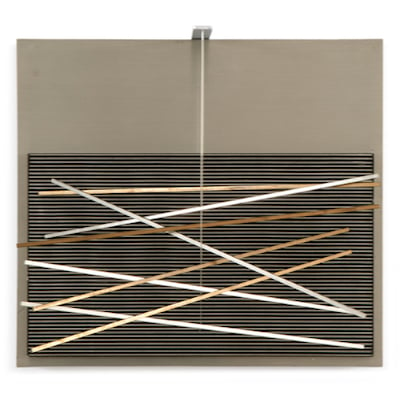
Yaacov Agam
American flag, C. 1980
Sculpture / Object
Mixed Media
EUR 1,100
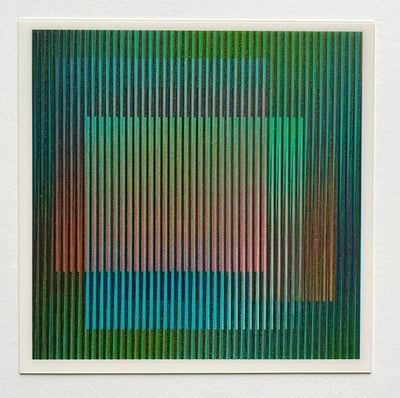
Carlos Cruz-Diez
Chromointerference La Difference signed card, 2011
Limited Edition Print
Mixed Media
EUR 1,500
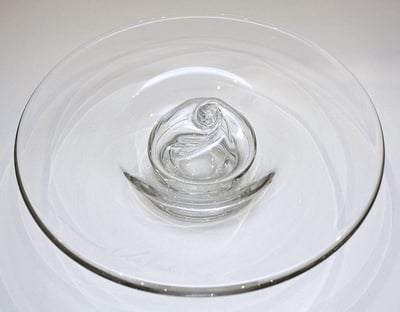
Gunther Uecker
Jahresteller, 1975
Sculpture / Object
Glass
EUR 1,620

Victor Vasarely
Attika 3, 1990
Limited Edition Print
Screen-print
USD 1,250

Julio Le Parc
Primeras modulaciones 11, 2018
Limited Edition Print
Lithograph
Currently Not Available

Yaacov Agam
Composition
Limited Edition Print
Mixed Media
USD 1,300
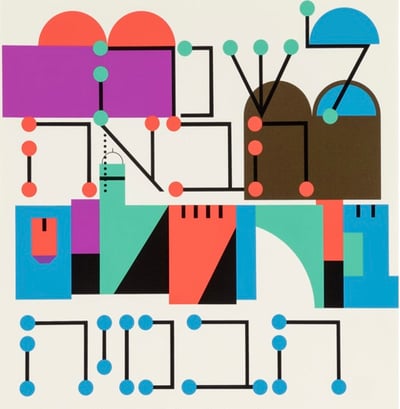
Yaacov Agam
Haggadah – Le Shana Haba’Ah (Next Year In Jerusalem), 1985
Limited Edition Print
Silkscreen
USD 450

Yaacov Agam
Haggadah – Four Sons, 1985
Limited Edition Print
Silkscreen
USD 450
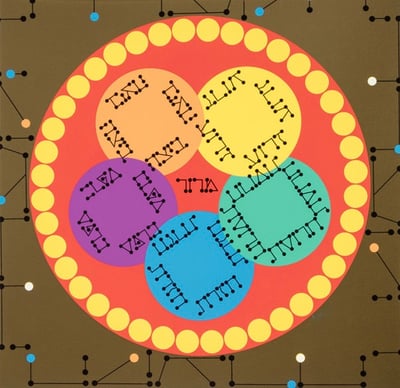
Yaacov Agam
Haggadah – Hakerara (The Seder Plate), 1985
Limited Edition Print
Silkscreen
USD 450
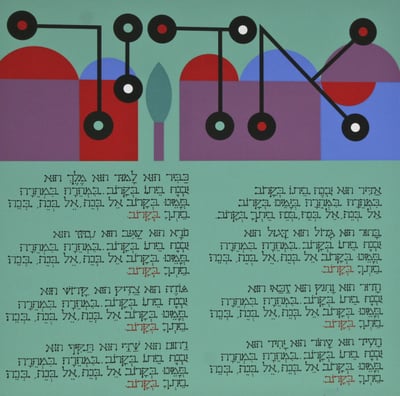
Yaacov Agam
Haggadah – Adir (Greatest), 1985
Limited Edition Print
Silkscreen
USD 450
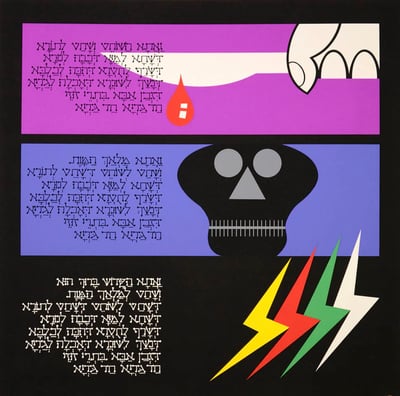
Yaacov Agam
Haggadah – Had Gadya #3 (The Little Lamb), 1985
Limited Edition Print
Silkscreen
USD 450

Yaacov Agam
Haggadah – Had Gadya #2 (The Little Lamb), 1985
Limited Edition Print
Silkscreen
USD 450
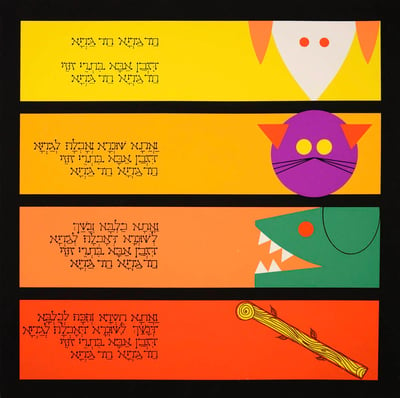
Yaacov Agam
Haggadah – Had Gadya #1 (The Little Lamb), 1985
Limited Edition Print
Silkscreen
USD 450

Alexander Calder
Untitled (Red Spiral), c. 1970
Limited Edition Print
Lithograph
USD 9,600

Alexander Calder
Stone Age, ca. 1970
Limited Edition Print
Lithograph
USD 9,600

Alexander Calder
Taches de Rousser (from La Memoire Elementaire), 1976
Limited Edition Print
Lithograph
USD 9,600
Related Articles




Junk art is a form of art that demonstrates how any material or object can be used to create a wide range of paintings, sculptures, installations, and assemblages. Many Junk Art pieces are made using ordinary materials found in everyday life. By applying artistic knowledge and skills, artists can transform these common objects into remarkable works of art.

Gutai was a group of Japanese radical artists who formed the Gutai Art Association in 1954. The word Gutai translates to embodiment. The group was known for creating art on the spot for live audiences, often incorporating their own physical movements. Their performances included actions like throwing paint, piercing paper, and rolling in mud, emphasizing the direct interaction between the body and the material.

A Lambda print is produced using a Lambda laser printer, a technology developed by the Durst company. The Durst Lambda was one of the first printers to use digital laser technology to create archival-quality prints. This process, also known as a Lambda c-type print, involves exposing photographic paper to laser light, resulting in high-quality, long-lasting images.
Can't find your Answer?
Thank you! Your question has been sent — we'll get back to you shortly.
