
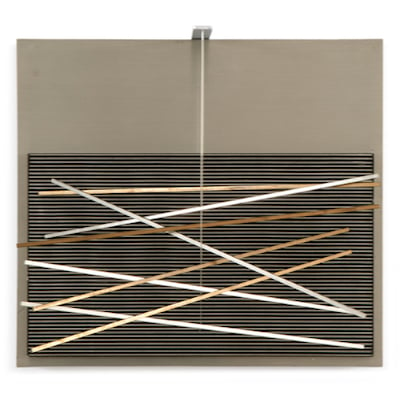
What is kinetic art?
- Show All
- Established
- Discoveries
- Show All
Artworks Related to Kinetic art

Alexander Calder
Le point de non retour (from La Memoire Elementaire), 1976
Limited Edition Print
Lithograph
USD 9,600

Alexander Calder
Le piège (from La Memoire Elementaire), 1976
Limited Edition Print
Lithograph
USD 9,600

Alexander Calder
La pointe du progrès (from La Memoire Elementaire), 1976
Limited Edition Print
Lithograph
USD 9,600

Alexander Calder
Our Unfinished Revolution: Octopus/Squid, 1975-1976
Limited Edition Print
Lithograph
USD 9,600
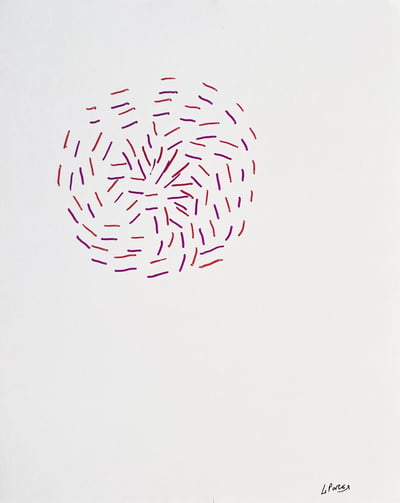
Julio Le Parc
Dessin Infinie 36, 2022
Drawing / Watercolor
Marker
EUR 2,000

Julio Le Parc
Dessin Infinie 30, 2022
Drawing / Watercolor
Marker
EUR 2,000

Julio Le Parc
Dessin Infinie 23, 2022
Drawing / Watercolor
Marker
EUR 2,000

Julio Le Parc
Dessin Infinie 21, 2022
Drawing / Watercolor
Marker
EUR 2,000

Julio Le Parc
Dessin Infinie 18, 2022
Drawing / Watercolor
Marker
EUR 2,000
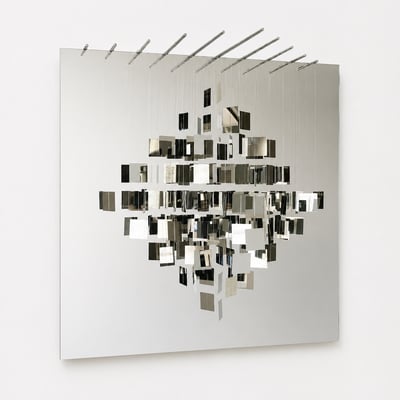
Julio Le Parc
Poyedre Virtuel sur mirroir, 2021
Sculpture / Object
Mixed Media
EUR 20,000

Julio Le Parc
Losange Virtuel sur noir, 2021
Sculpture / Object
Mixed Media
EUR 20,000

Julio Le Parc
Poyedre Virtuel sur noir, 2021
Sculpture / Object
Mixed Media
EUR 20,000
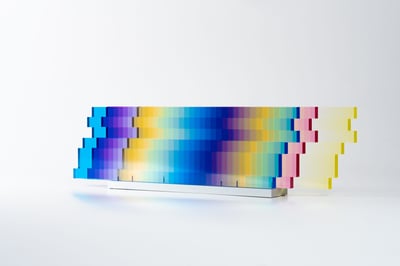
Felipe Pantone
Subtractive Variability Manipulable 6, 2023
Sculpture / Object
Acrylic sculpture
EUR 4,000

Julio Le Parc
Dessin Infinie 20, 2022
Drawing / Watercolor
Marker
EUR 2,000

Julio Le Parc
Dessin Infinie 17, 2022
Drawing / Watercolor
Marker
EUR 2,000

Julio Le Parc
Dessin Infinie 15, 2022
Drawing / Watercolor
Marker
EUR 2,000
Related Articles

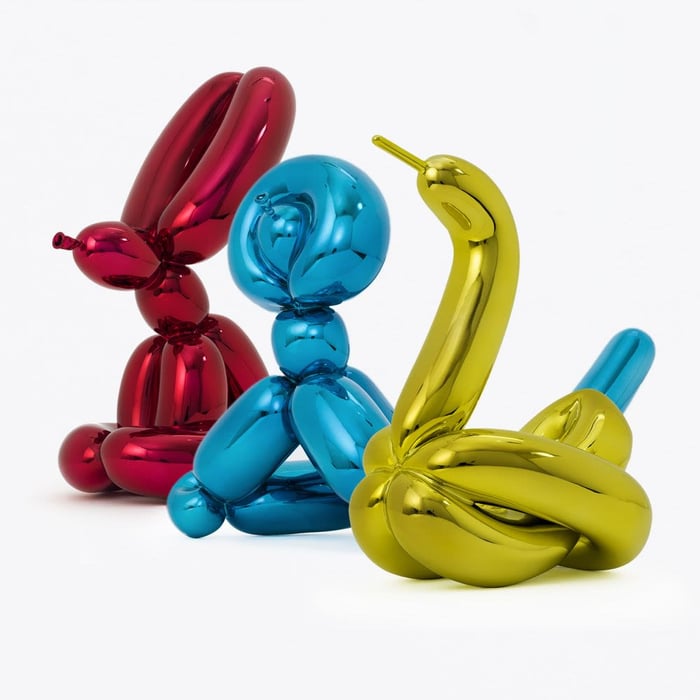
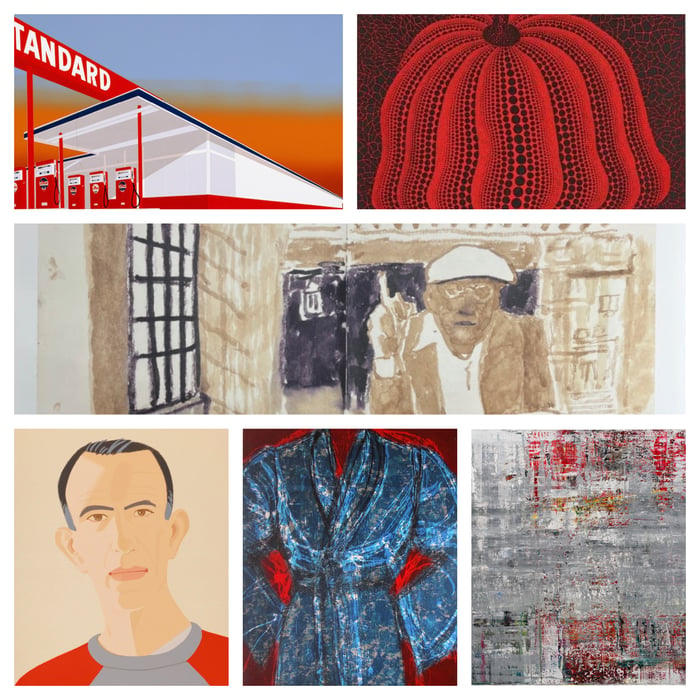

Perspective refers to the techniques artists use to represent three-dimensional objects on a two-dimensional surface. These techniques create the illusion of depth and space, making objects appear as they do in the real world, despite the limitations of a flat surface. Common types of perspective include linear and atmospheric perspective.
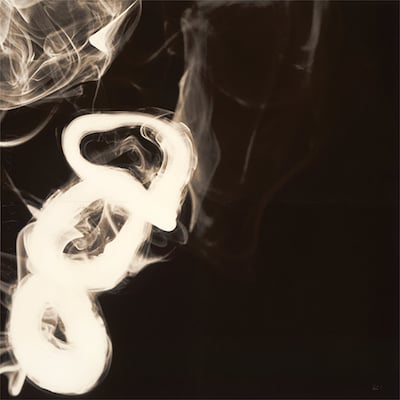
An archival print refers to a fine art reproduction of museum quality, created using the highest quality materials and methods. These prints are produced on the finest papers and with inks specifically designed to resist color fading over time. Drawings and paintings are reproduced using a fine art printer with exceptionally high resolution, ensuring longevity and preservation of the artwork.

Entropy, in a broader sense, refers to the inevitable deterioration or decline of a society or system. In art, the concept was popularized by artist Robert Smithson in the 1960s. He used the term to critique what he saw as the static and overly simplified nature of contemporary minimalist art. Smithson's work often explored the idea of entropy as a force of chaos and decay, contrasting with the perceived order and purity of minimalist works.
Can't find your Answer?
Thank you! Your question has been sent — we'll get back to you shortly.
