
What is kinetic art?
- Show All
- Established
- Discoveries
- Show All
Artworks Related to Kinetic art

Francois Morellet
Trois cubes imbriqués, 1977
Sculpture / Object
Metal
EUR 6,990

Rafael Jesus Soto
Caroni, 1971
Limited Edition Print
Silkscreen
EUR 1,270

Heinz Mack
Kleiner Dreiklang, 1994
Limited Edition Print
Silkscreen
EUR 6,970

Heinz Mack
Blaues Feld mit Rosa, 1997
Limited Edition Print
Silkscreen
EUR 5,800

Yaacov Agam
Message of peace, 1988
Limited Edition Print
Silkscreen
Currently Not Available

Julio Le Parc
Damier, 2022
Limited Edition Print
Digital Print on paper
EUR 1,000

Victor Vasarely
Diorre, 1980s
Limited Edition Print
Silkscreen
Currently Not Available

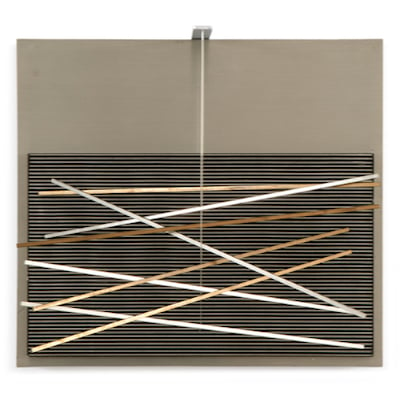
Francois Morellet
Untitled (Intersecting Lines), 1975
Limited Edition Print
Lithograph
EUR 1,375

Francois Morellet
Untitled (black Grid Pattern), 1975
Limited Edition Print
Lithograph
EUR 1,375

Alexander Calder
L’albero del bene e del male, 1975
Limited Edition Print
Lithograph
EUR 4,600

Alexander Calder
Spirale millepiedi, 1972
Limited Edition Print
Lithograph
EUR 4,850

Alexander Calder
Girandola, 1972
Limited Edition Print
Lithograph
EUR 5,400
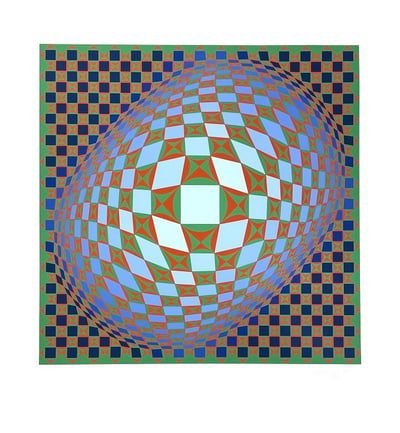
Victor Vasarely
Vilag
Limited Edition Print
Screen-print
EUR 2,300
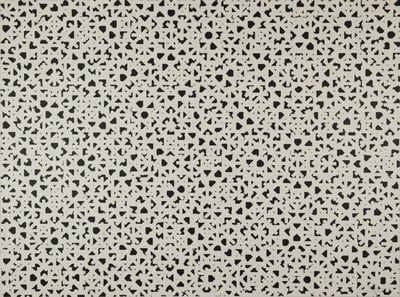
Francois Morellet
Trames
Limited Edition Print
Screen-print
EUR 1,400

Victor Vasarely
Omega V, 1979
Limited Edition Print
Serigraph
Inquire For Price
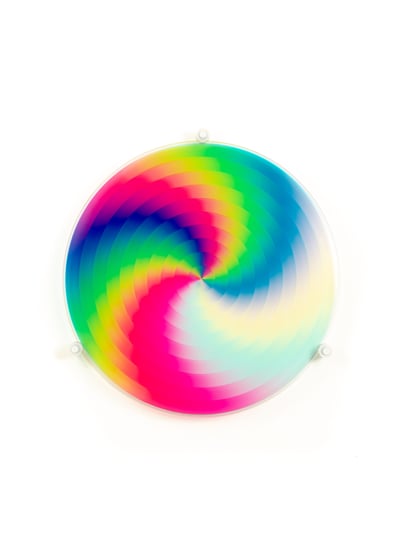
Felipe Pantone
Substractive Variability Compact, 2022
Sculpture / Object
Acrylic sculpture
EUR 4,700
Related Articles

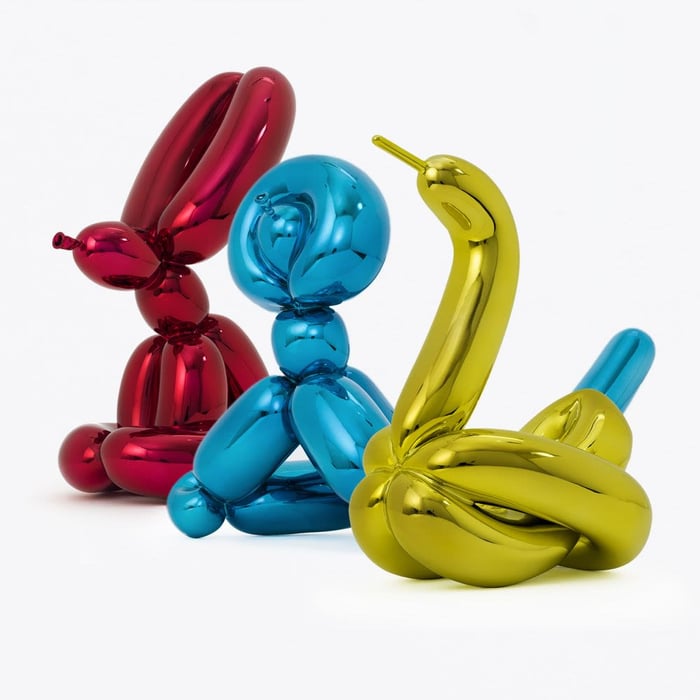
An object with distinctive or unusual qualities that naturally draws attention and prompts discussion among people.

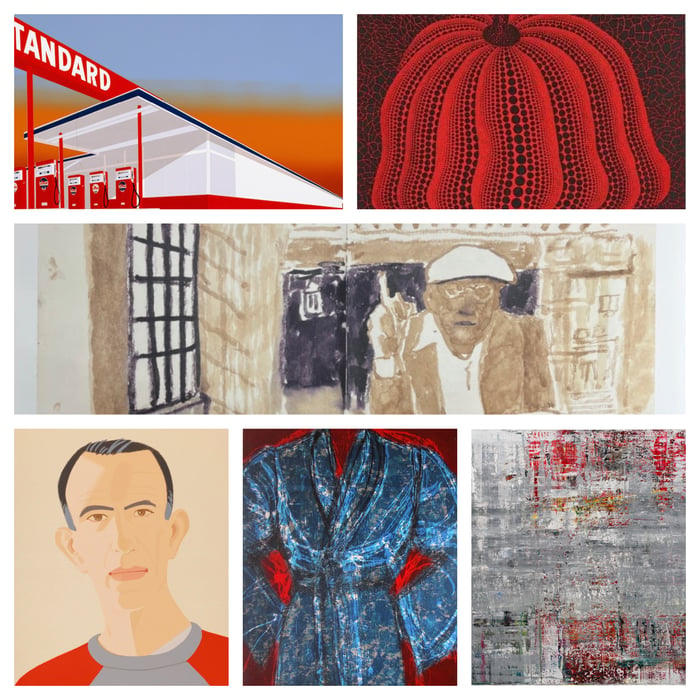
Postminimalism refers to a range of art styles that emerged in the 1960s, following the Minimalism movement. While Minimalism focused on simplicity and impersonality, Postminimalist artists retained some elements of Minimalism but also explored greater expressiveness, experimenting with new materials and techniques. This movement includes various forms of art such as conceptual art, body art, performance art, process art, and site-specific works. Postminimalism represents a shift toward more personal, tactile, and process-oriented approaches to art-making.

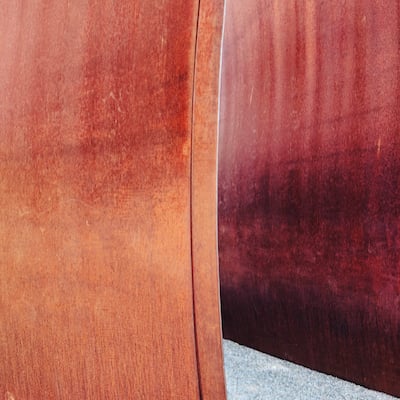
Computer printing involves using computer technology to reproduce fine art images as prints. In its basic form, this means creating digital versions of artwork that are printed onto paper. More advanced techniques allow artists to program computers to generate original art, which is then printed using various printing technologies.
Can't find your Answer?
Thank you! Your question has been sent — we'll get back to you shortly.
