
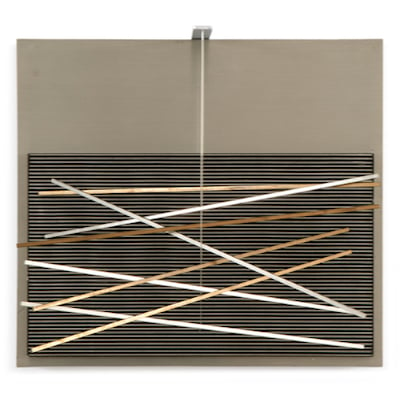
What is kinetic art?
- Show All
- Established
- Discoveries
- Show All
Artworks Related to Kinetic art

Alexander Calder
Les Deux Lues, 1974
Limited Edition Print
Lithograph
USD 7,500

Alexander Calder
Tabouret Et Trois Pieds, 1969
Limited Edition Print
Lithograph
USD 6,250

Alexander Calder
Grey Oval (Flat Mobile), 1974/1975
Limited Edition Print
Lithograph
USD 7,300

Olafur Eliasson
Studioblick, 2013
Sculpture / Object
Mixed Media
Currently Not Available

Heinz Mack
Silberflügel, Roter Fächer, 1973
Limited Edition Print
Screen-print
Currently Not Available

Yaacov Agam
Star of David - Abstract Illusionism, 1979
Limited Edition Print
Screen-print
EUR 1,400

Yaacov Agam
River Pebbel, Ca. 1970
Sculpture / Object
Mixed Media
EUR 1,900

Julio Le Parc
Larga marcha, 4 bifurcaciones, 14 (black and white), 2021
Limited Edition Print
Lithograph
EUR 4,000
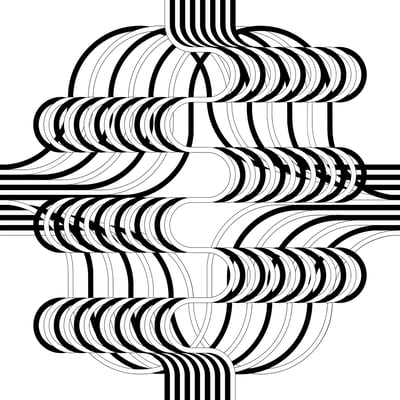
Julio Le Parc
Larga marcha, 4 bifurcaciones, 13 (black and white), 2021
Limited Edition Print
Lithograph
EUR 4,000

Julio Le Parc
Larga marcha, 4 bifurcaciones, 12 (black and white), 2021
Limited Edition Print
Lithograph
EUR 4,000

Julio Le Parc
Larga marcha, 4 bifurcaciones, 11 (black and white), 2021
Limited Edition Print
Lithograph
EUR 4,000

Julio Le Parc
Larga marcha, 4 bifurcaciones, 10 (black and white), 2021
Limited Edition Print
Lithograph
EUR 4,000

Julio Le Parc
Larga marcha, 4 bifurcaciones, 9 (black and white), 2021
Limited Edition Print
Lithograph
EUR 4,000

Julio Le Parc
Larga marcha, 4 bifurcaciones, 8 (black and white), 2021
Limited Edition Print
Lithograph
EUR 4,000

Julio Le Parc
Larga marcha, 4 bifurcaciones, 7 (black and white), 2021
Limited Edition Print
Lithograph
EUR 4,000

Julio Le Parc
Larga marcha, 4 bifurcaciones, 6 (black and white), 2021
Limited Edition Print
Lithograph
EUR 4,000
Related Articles

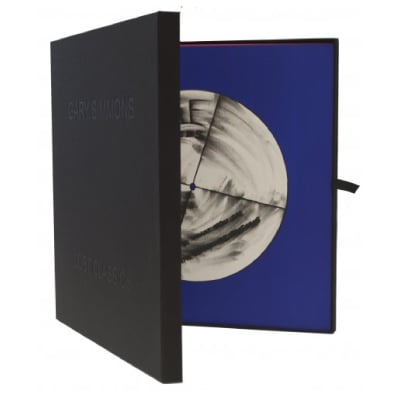
Sound Art is an artistic discipline where sound is used as the primary medium. Like other contemporary art genres, Sound Art is inherently interdisciplinary, engaging with a variety of subjects including electronics, acoustics, noise music, psychoacoustics, audio media, video, film, and sculpture. Early examples of Sound Art include Luigi Russolo's noise intoners, as well as experimental works by Surrealists, Dadaists, and the Fluxus movement. These early pioneers helped establish sound as a legitimate medium for artistic expression.
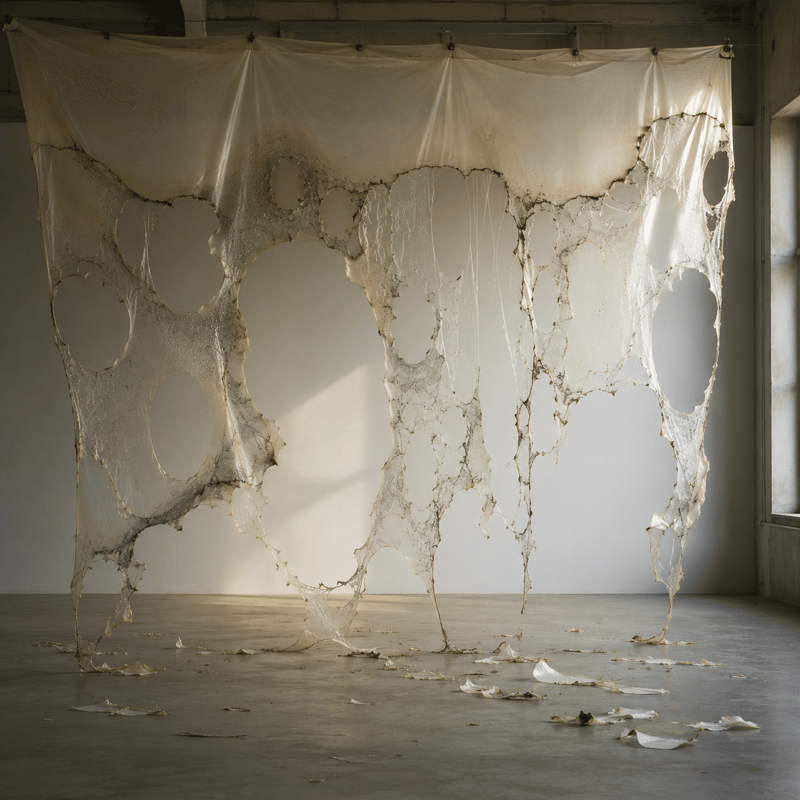
A term coined to describe artworks that are designed to be destroyed during their creation. Gustav Metzger, who developed this concept, outlined key principles: the artwork must disintegrate within 20 years, be self-completing, and involve public participation.

Provenance refers to the chronology of ownership, location, or custody of an artwork. Tracing an object's provenance helps establish its authenticity and historical context by documenting its ownership history, storage locations, and custody over time. This process often involves expert opinions, comparative analysis, and scientific testing to provide evidence of the artwork’s origin and history.
Can't find your Answer?
Thank you! Your question has been sent — we'll get back to you shortly.
