
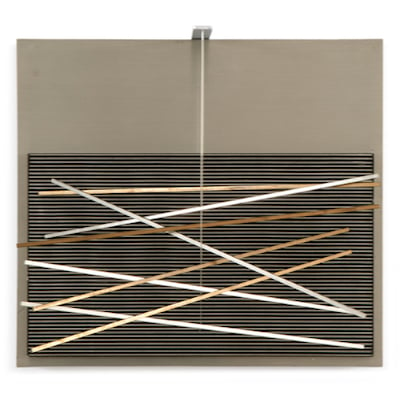
What is kinetic art?
- Show All
- Established
- Discoveries
- Show All
Artworks Related to Kinetic art
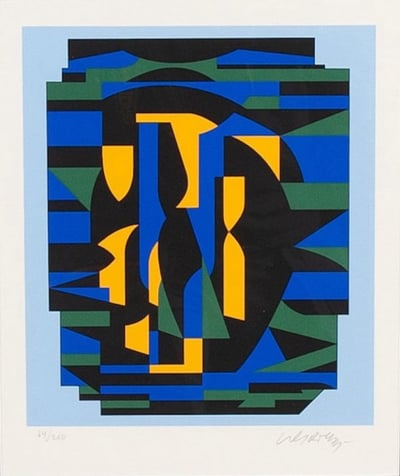
Victor Vasarely
Untitled ( From Ion)
Limited Edition Print
Serigraph
EUR 950
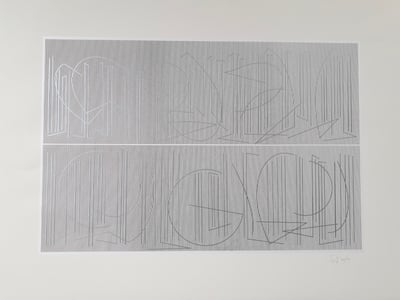
Rafael Jesus Soto
Untitled (Silver Lines)
Limited Edition Print
Screen-print
GBP 2,800

Felipe Pantone
Chromadyna Micap #5, 2021
Limited Edition Print
Lithograph
EUR 1,200

Felipe Pantone
Chromadyna Micap #4, 2021
Limited Edition Print
Lithograph
EUR 1,200

Felipe Pantone
Chromadyna Micap #3, 2021
Limited Edition Print
Lithograph
EUR 1,200

Felipe Pantone
Chromadyna Micap #2, 2021
Limited Edition Print
Lithograph
EUR 1,200

Felipe Pantone
Chromadyna Micap #1, 2021
Limited Edition Print
Lithograph
EUR 1,200

Luis Tomasello
S/T 1 - Verde, 2013
Limited Edition Print
Lithograph
EUR 3,000

Chris Burden
If You Fly, If You Drive (diptych), 1973
Limited Edition Print
Lithograph
USD 12,500
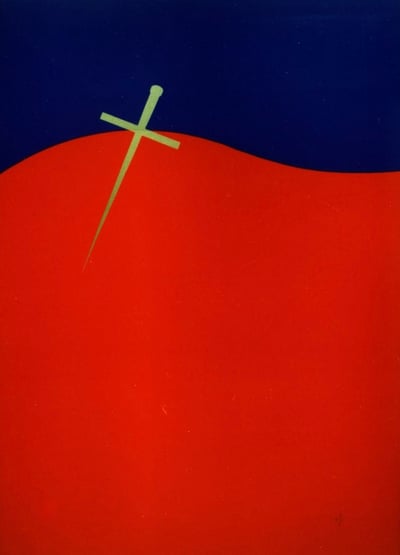
Rafael Jesus Soto
Homage to Federico Garcia Lorca, 1999
Limited Edition Print
Silkscreen
EUR 800

Victor Vasarely
Kervilahuen-BL, 1985
Limited Edition Print
Serigraph
Artwork On Hold
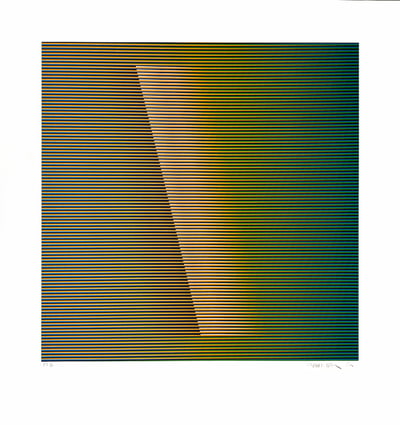
Carlos Cruz-Diez
Medellín 2, 2013
Limited Edition Print
Serigraph
EUR 5,990

Carlos Cruz-Diez
Medellín 3, 2013
Limited Edition Print
Serigraph
EUR 5,990

Jean Tinguely
Chaos I, 1973
Limited Edition Print
Etching
Currently Not Available

Otto Piene
Blue Streak, 1980
Limited Edition Print
Screen-print
Currently Not Available

Gunther Uecker
Verletzungen-Verbindungen, 1998
Limited Edition Print
Screen-print
EUR 1,980
Related Articles

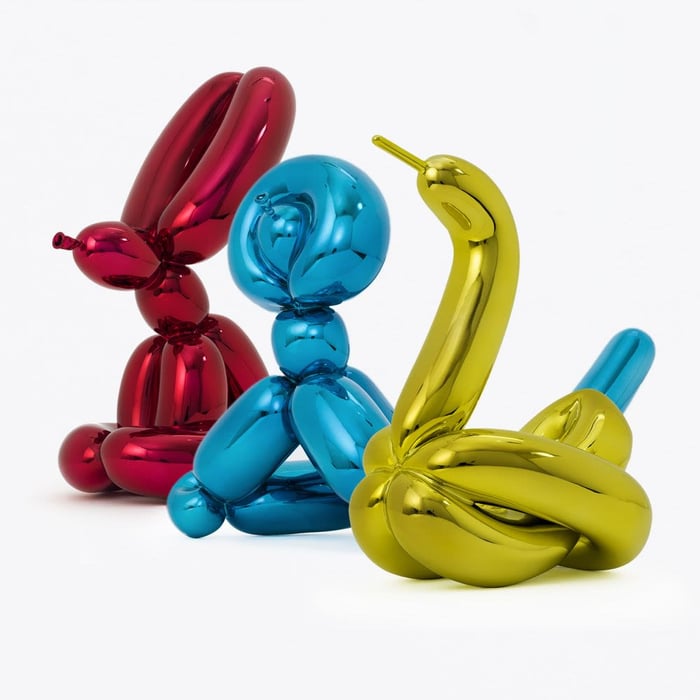

Recto and verso are terms used to describe the right and left pages of an open book, or the front and back of a sheet of paper. In both cases, recto refers to the right-hand page or the front of the paper, while verso refers to the left-hand page or the back of the paper. These terms are commonly used in bookbinding, printmaking, and art to distinguish between the two sides of a sheet.

Also known as Dadaism, Dada was a literary and artistic movement that began in 1916 in Zurich, Switzerland. It emerged as a rejection of rationalism and nationalism, which were seen as contributing factors to World War I. The movement had political undertones and was strongly anti-war. Dada activities included demonstrations, gatherings, and the publication of literary and art journals that explored cultural and political topics.

Glass is a transparent solid that varies in composition depending on the type. Artists use different types of glass to create art forms such as stained glass, blown glass, and various decorated pieces. Glass can be cut, textured, overlaid, engraved, and shaped in many ways to produce intricate and beautiful works of art.
Can't find your Answer?
Thank you! Your question has been sent — we'll get back to you shortly.
