
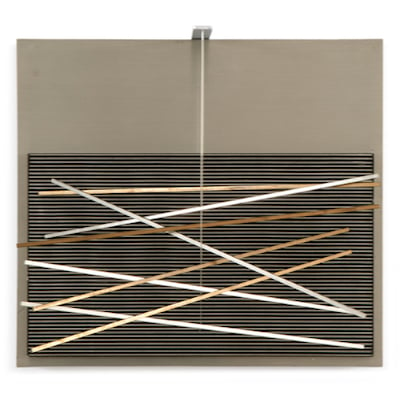
What is kinetic art?
- Show All
- Established
- Discoveries
- Show All
Artworks Related to Kinetic art
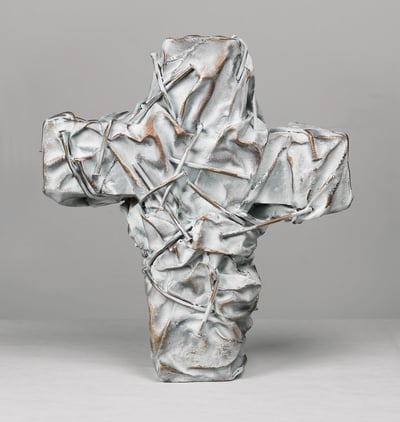
Gunther Uecker
Helles Nagelkreuz, 2017
Sculpture / Object
Bronze
EUR 49,500

Otto Piene
Seuloeil (red), 1991
Limited Edition Print
Screen-print
EUR 2,600

Otto Piene
Seuloeil blau/schwarzes Auge, 1991
Limited Edition Print
Screen-print
EUR 2,600
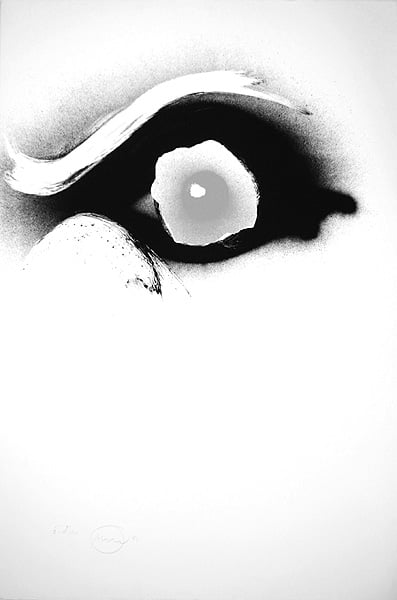
Otto Piene
Seuloeil (white), 1991
Limited Edition Print
Screen-print
EUR 2,600

Heinz Mack
Kunst im Jahr 2000, 1986
Limited Edition Print
Screen-print
Currently Not Available

Antonio Asis
Vibration 9 petits et 4 grands cercles, 2010
Sculpture / Object
Mixed Media
EUR 3,000

Luis Tomasello
s/t 2, 2012
Sculpture / Object
Mixed Media
EUR 2,200

Luis Tomasello
s/t 3, 2012
Sculpture / Object
Mixed Media
EUR 2,200

Julio Le Parc
Vase surface colorée, 2017
Ceramics
Ceramic
EUR 500

Julio Le Parc
Tulles – lumières, 2019
Sculpture / Object
Object
EUR 5,000

Julio Le Parc
Cercles par déplacement (small), 2016
Sculpture / Object
Acrylic sculpture
EUR 300

Julio Le Parc
Image virtuel par déplacement, 2016
Sculpture / Object
Acrylic sculpture
EUR 300
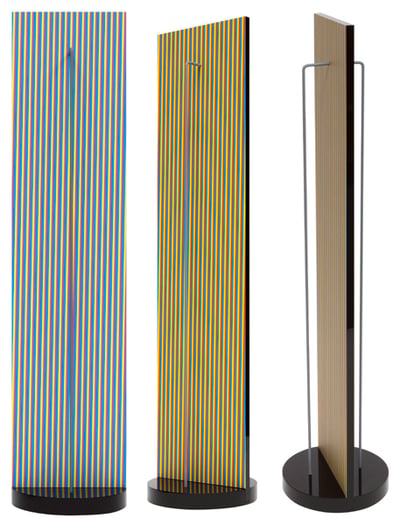
Carlos Cruz-Diez
Couleur à l’espace nova, 2012
Sculpture / Object
Object
EUR 9,000

Carlos Cruz-Diez
Cromointerferencia manipulable feria estampa, 2011
Limited Edition Print
Object
EUR 5,000

Dario Perez-Flores
Prochromatique edition 1, 2012
Painting
Mixed Media
EUR 3,500

Dario Perez-Flores
Prochromatique 1, 2010
Sculpture / Object
Mixed Media
EUR 2,700
Related Articles

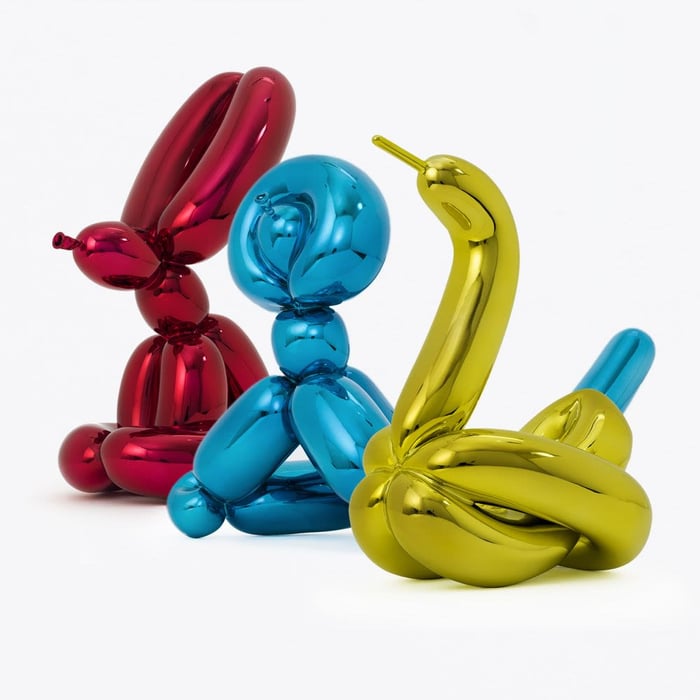
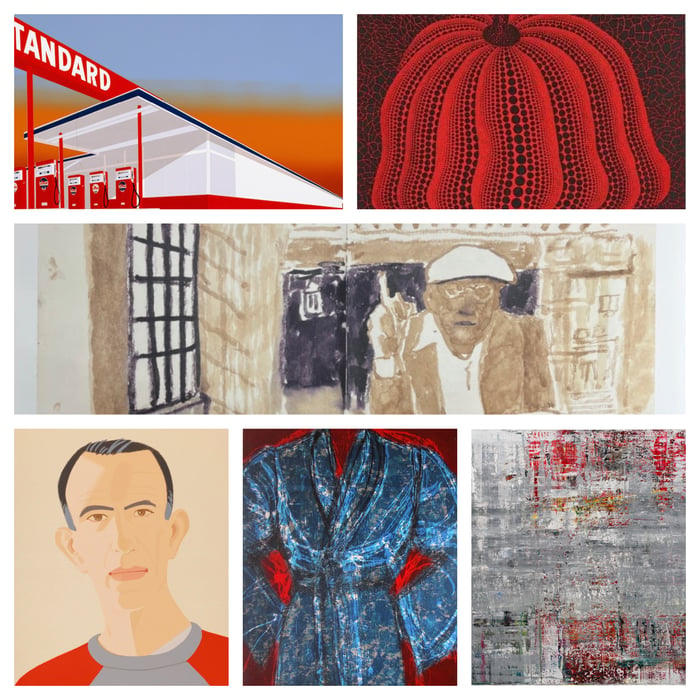
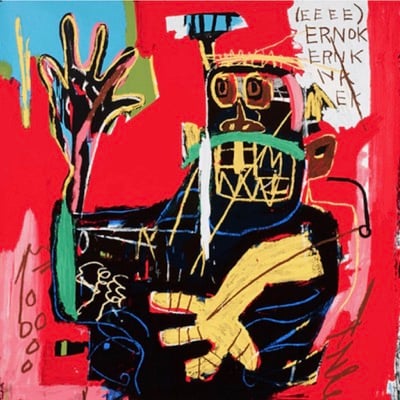
In 1981, Patti Astor opened the first art gallery in New York City's East Village, helping to launch the careers of various artists and musicians. The gallery started small but quickly gained popularity, contributing to the emergence of art movements such as Neo-Expressionism and Street Art in the area. The East Village became a hub for these new artistic expressions. However, the gallery closed in 1985 due to waning interest.

Activist Art is a form of art created to address social and political issues. It often involves public engagement and works closely with communities to raise awareness or inspire change. While it can include elements of performance art, it is not limited to this form. Examples include creating and distributing social protest posters or organizing community-based art projects that highlight specific causes.
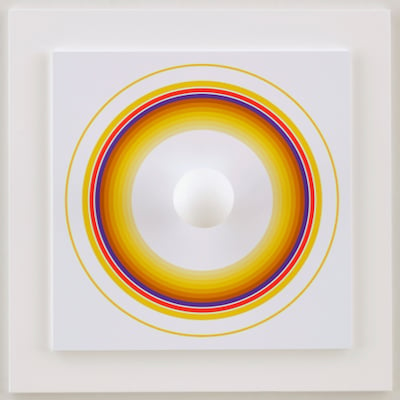
Monotype is a printmaking technique where an image is painted or drawn on a nonabsorbent, smooth surface, traditionally an etching plate of copper, but now also acrylic, zinc, or glass. The image is then transferred to paper using a printing press, creating a unique print. The first pressing removes most of the ink, making it difficult to produce additional prints with the same richness, resulting in a one-of-a-kind artwork.
Can't find your Answer?
Thank you! Your question has been sent — we'll get back to you shortly.
