
What is kinetic art?
- Show All
- Established
- Discoveries
- Show All
Artworks Related to Kinetic art

Dario Perez-Flores
Prochromatique 2 (red, blue, yellow), 2012
Painting
Mixed Media
EUR 3,500

Dario Perez-Flores
Prochromatique blanc, 2016
Painting
Mixed Media
EUR 8,500
Dario Perez-Flores
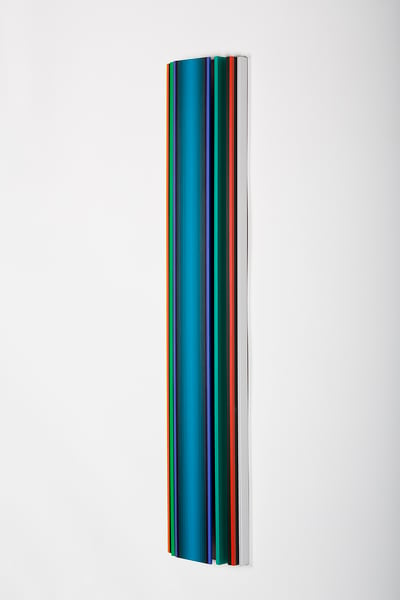
Prochromatique bleu, 2016
Painting
Mixed Media
EUR 8,500

Dario Perez-Flores
Prochromatique mauve, 2016
Painting
Mixed Media
EUR 8,500

Carlos Cruz-Diez
Stèle Horizontal 10, 2008
Ceramics
Ceramic
EUR 12,000
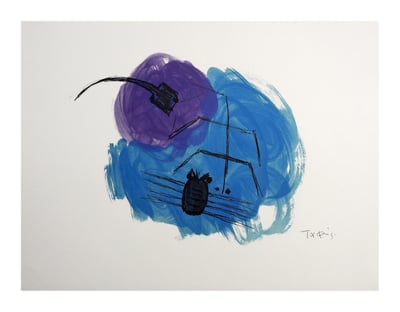
Takis
Insectes, 1981
Limited Edition Print
Lithograph
Currently Not Available
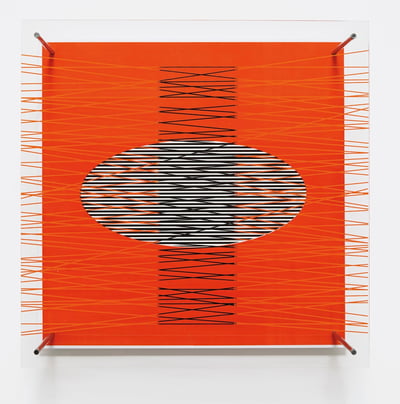
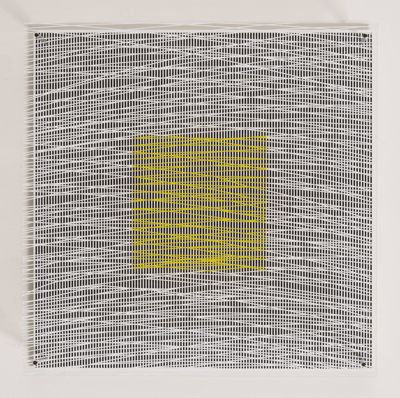
Rafael Jesus Soto
Óvalo en el rojo, 1979
Sculpture / Object
Mixed Media
USD 8,950
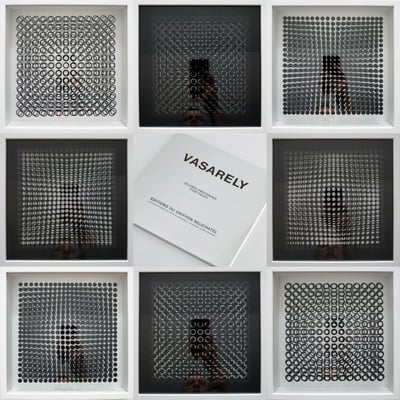
Rafael Jesus Soto
Cuadrado y Curvas Virtuales, 1979
Sculpture / Object
Mixed Media
USD 8,950
Victor Vasarely
Oeuvres Profondes Cinetiques
Limited Edition Print
Serigraph
EUR 1,500
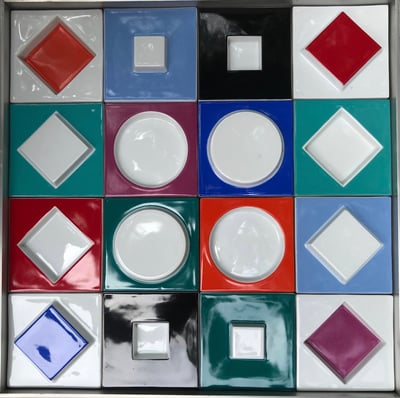
Victor Vasarely
Composition Caree Relief, 1970
Sculpture / Object
Ceramic
EUR 4,850

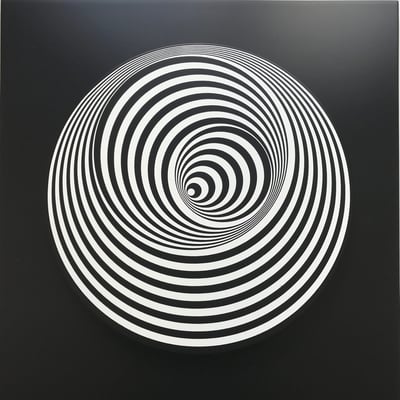
Marina Apollonio
Dinamica Circolare 6 S+S, 1966-2020
Sculpture / Object
Wood
EUR 3,500
Marina Apollonio
Dinamica Circolare 6B Ruotato, 1968-2020
Sculpture / Object
Wood
Currently Not Available
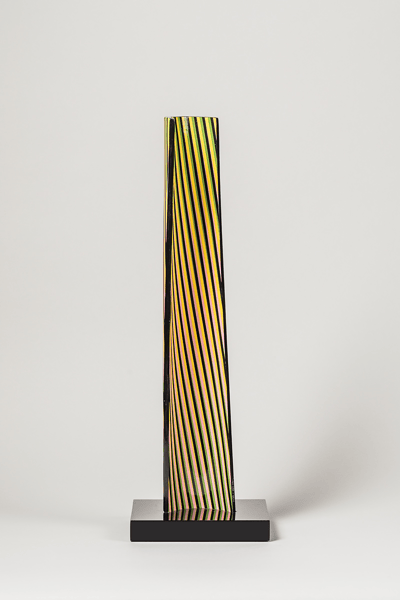
Carlos Cruz-Diez
Cromovela 17, 2018
Ceramics
Ceramic
EUR 8,000
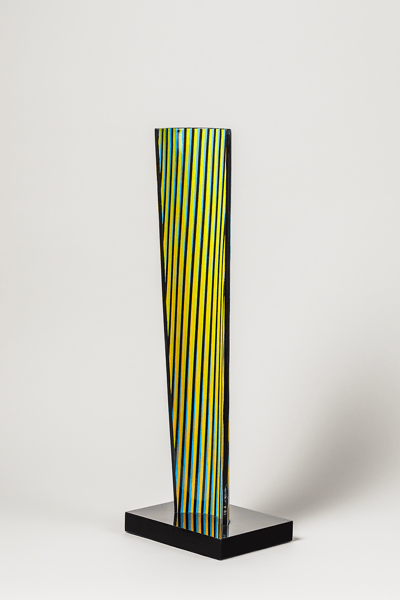
Carlos Cruz-Diez
Cromovela 19, 2018
Ceramics
Ceramic
EUR 8,000
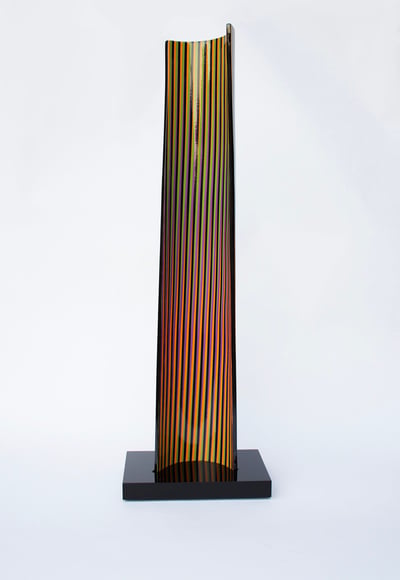
Carlos Cruz-Diez
Cromovela 11 (Big), 2009
Ceramics
Ceramic
EUR 12,000
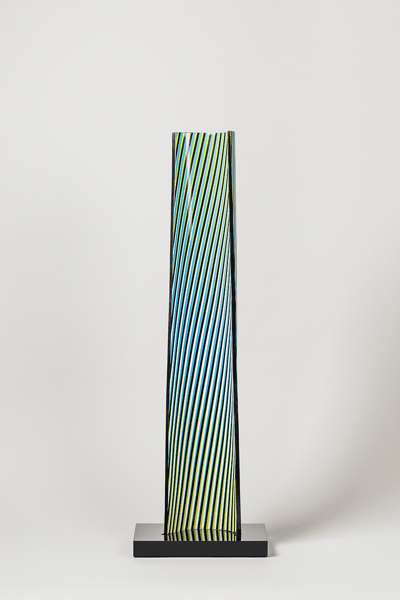
Carlos Cruz-Diez
Cromovela 21 (Big), 2018
Ceramics
Ceramic
EUR 12,000
Related Articles

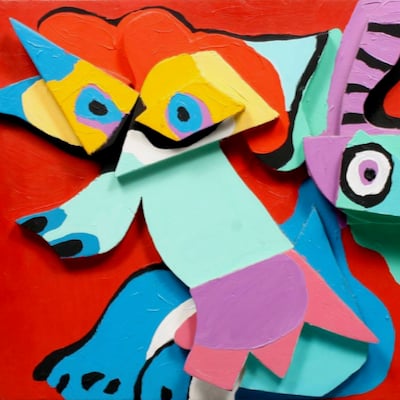
CoBrA stands for Copenhagen, Brussels, and Amsterdam; the group was formed with a desire to break away from the existing art movements of the time. Their critique of Western society led them to experiment and evolve into a significant international movement. CoBrA was founded on November 8, 1948, at the Notre Dame Café in Paris, where its manifesto was signed by Karel Appel, Joseph Noiret, Corneille, Christian Dotremont, Constant, and Asger Jorn. The group was united by a shared commitment to freedom in both form and color, and their work emphasized experimentation and spontaneity.

Acrylic on paper is a technique that involves using acrylic paints on various paper types and textures. Artists often choose watercolor paper with smooth or rough surfaces to apply acrylics using watercolor techniques such as bleeding, washing, and spattering. This approach allows for a wide range of effects, combining the flexibility of acrylics with the delicate qualities of watercolor methods.

A foundry is a place where metal is melted and shaped to create sculptures. Artists bring their completed wax sculptures to the foundry, where molds are made in the same shape. The foundry then uses these molds to cast the sculpture in metal, often resulting in a finished metal artwork.
Can't find your Answer?
Thank you! Your question has been sent — we'll get back to you shortly.
