
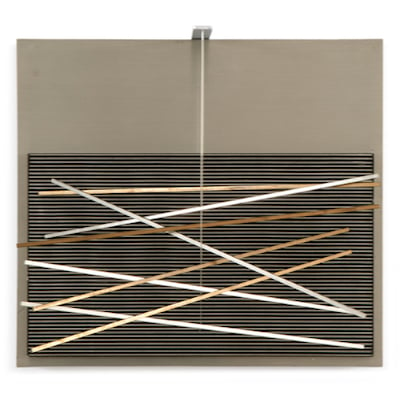
What is kinetic art?
- Show All
- Established
- Discoveries
- Show All
Artworks Related to Kinetic art

Victor Vasarely
Cinetiques portfolio, 1973
Limited Edition Print
Serigraph
EUR 1,300
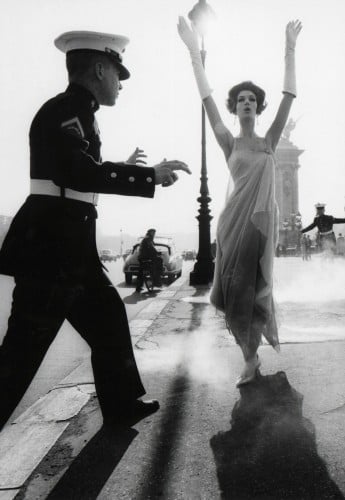
William Klein
Simone + Marines, 1960
Photography
Photograph
Currently Not Available
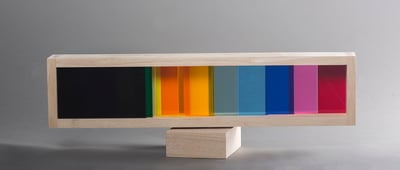
Yaacov Agam
Infinity transparency #3, 2017
Sculpture / Object
Mixed Media
EUR 3,700

Yaacov Agam
Sketch #1b
Drawing / Watercolor
Pen and ink
USD 1,280

Yaacov Agam
Sketch #1
Drawing / Watercolor
Pen and ink
USD 1,280
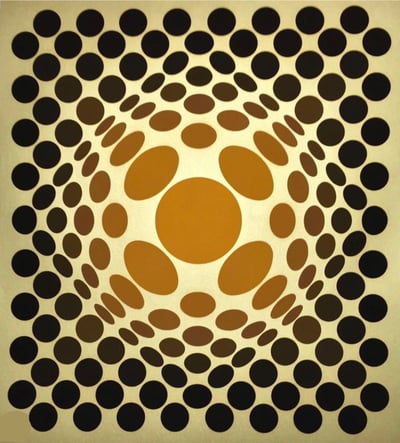
Victor Vasarely
Tewek, 1978
Limited Edition Print
Silkscreen
USD 1,850

Victor Vasarely
Purple long, 1977
Limited Edition Print
Silkscreen
USD 1,700
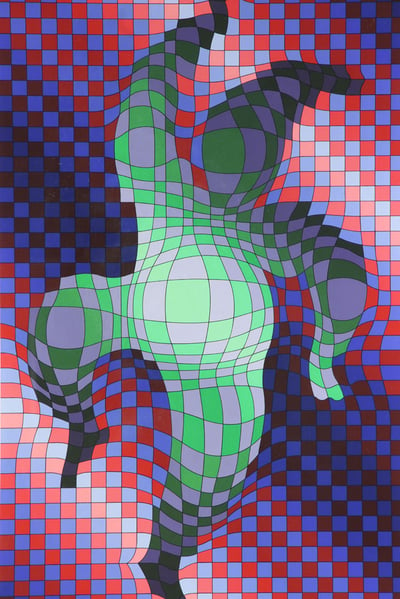
Victor Vasarely
Harlequin
Limited Edition Print
Silkscreen
USD 2,300

Victor Vasarely
Planeta, 1972
Limited Edition Print
Silkscreen
USD 1,900

Victor Vasarely
Koskota, 1976
Limited Edition Print
Silkscreen
USD 1,550

Victor Vasarely
Kaldor, 1980
Limited Edition Print
Silkscreen
USD 1,900

Victor Vasarely
Hang, 1979
Limited Edition Print
Silkscreen
USD 1,550

Victor Vasarely
Dauve, 1978
Limited Edition Print
Silkscreen
USD 1,550

Victor Vasarely
Vertigo, 1982
Limited Edition Print
Silkscreen
USD 1,550

Yaacov Agam
Inter Image
Limited Edition Print
Silkscreen
USD 1,200
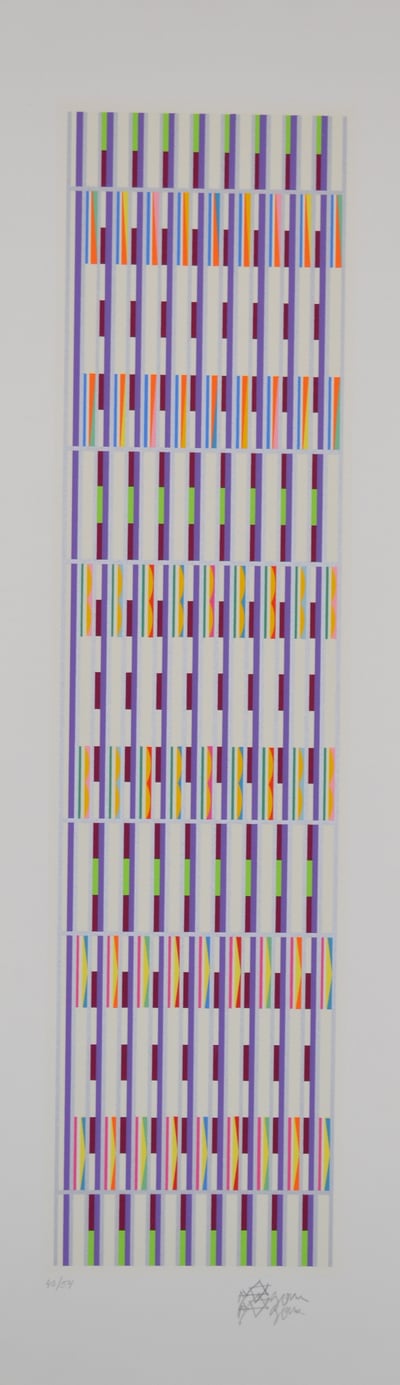
Yaacov Agam
Vertical orchestration purple, Unknown
Limited Edition Print
Silkscreen
USD 1,100
Related Articles




Attribute can function as both a noun and a verb. As a noun, it refers to an object, symbol, or animal commonly associated with a specific person, often used in art to identify figures, such as a lion with St. Mark. As a verb, it means to assign a work of art to a particular artist, usually based on stylistic analysis or other evidence, such as attributing a painting to an artist based on its technique and composition.

Found objects (or objet trouvé in French) are everyday items that an artist finds and incorporates into a work of art. While collectors have displayed aesthetically pleasing objects for centuries, modern art often uses objects that originally had non-artistic functions, such as recycled or repurposed materials.
India ink is a medium made from fine soot, known as lampblack, combined with water and a binder, usually shellac, to create a black, waterproof ink. It has been used in India since the 4th century BC. Artists use India ink for writing, drawing, and painting due to its deep black color and permanence.
Can't find your Answer?
Thank you! Your question has been sent — we'll get back to you shortly.
