
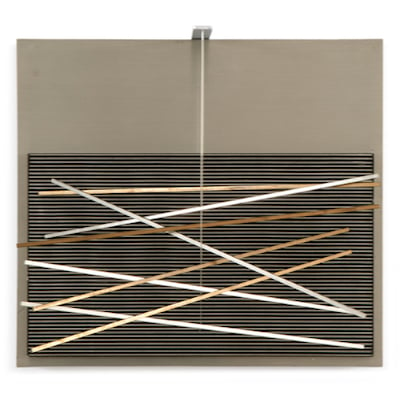
What is kinetic art?
- Show All
- Established
- Discoveries
- Show All
Artworks Related to Kinetic art
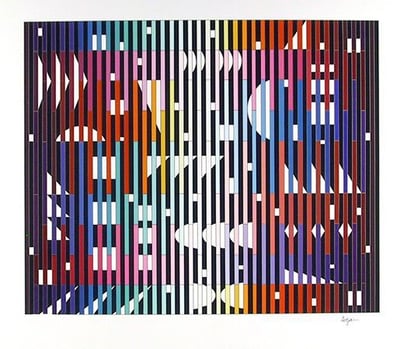
Yaacov Agam
Night rainbow (small), 1982
Limited Edition Print
Silkscreen
USD 1,250

Yaacov Agam
Next year in Jerusalem, Unknown
Drawing / Watercolor
Mixed Media
USD 10,950

Gunther Uecker
Ouroboros #12, 2018
Limited Edition Print
Sand
EUR 8,000

Gunther Uecker
Ouroboros #9, 2018
Limited Edition Print
Sand
EUR 8,000

Gunther Uecker
Ouroboros #7, 2018
Limited Edition Print
Sand
EUR 8,000
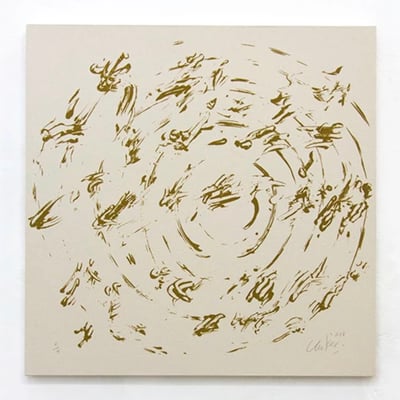
Gunther Uecker
Ouroboros #5, 2018
Limited Edition Print
Sand
EUR 8,000

Gunther Uecker
Ouroboros #3, 2018
Limited Edition Print
Sand
EUR 8,000

Luis Tomasello
S/T 3 - Rosa, 2013
Limited Edition Print
Lithograph
EUR 3,000

Victor Vasarely
Togonne, 1987
Limited Edition Print
Lithograph
EUR 2,330

Otto Piene
Zyklop Rot, 1984
Limited Edition Print
Mixed Media
EUR 2,400

Pol Bury
Des idées et des ombres 2, 1973
Limited Edition Print
Etching
EUR 1,250

Pol Bury
Des idées et des ombres 1, 1973
Limited Edition Print
Etching
Currently Not Available

Julio Le Parc
Formes Virtuelles Par Déplacement, 2017
Sculpture / Object
Mixed Media
EUR 9,000
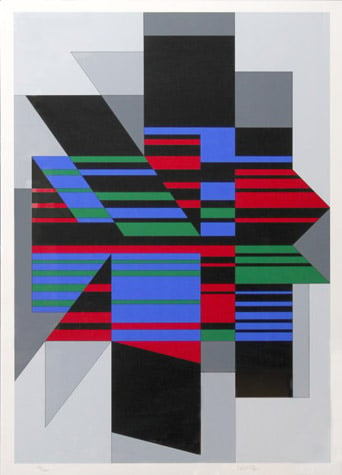
Victor Vasarely
Attila, 1990
Limited Edition Print
Screen-print
EUR 1,900

Victor Vasarely
VY-29-C, 1973
Limited Edition Print
Serigraph
EUR 2,200

Victor Vasarely
Firka
Limited Edition Print
Silkscreen
EUR 1,700
Related Articles


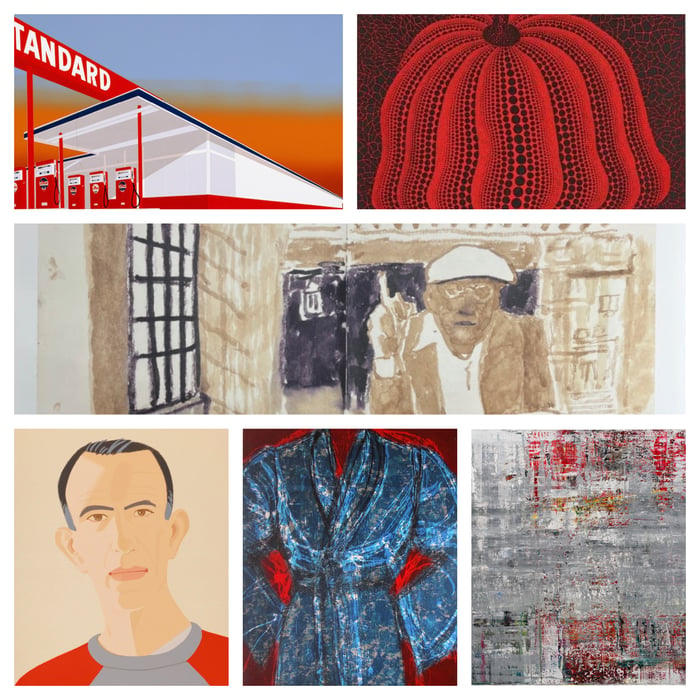

Animation is the process of displaying a sequence of static images in rapid succession to create the illusion of movement. Each image, or frame, is slightly altered from the previous one, particularly in the moving parts, so when shown together, they form a continuous motion. Traditionally, illustrators drew each frame by hand to produce this effect.
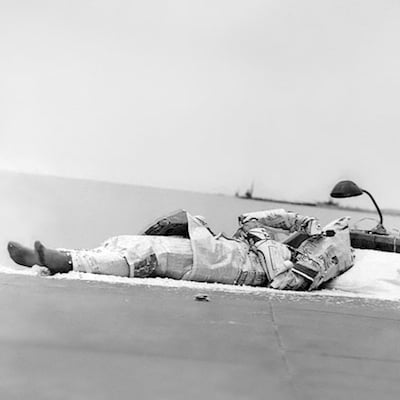
A Happening is a term used to describe artistic and theatrical events held by artists in the 1950s and 60s. These events were typically staged in gallery installations or planned environments and often involved audience participation, along with elements like lighting, sounds, and slide projections. Happenings were a precursor to performance art, which later included the active participation of the artists themselves.
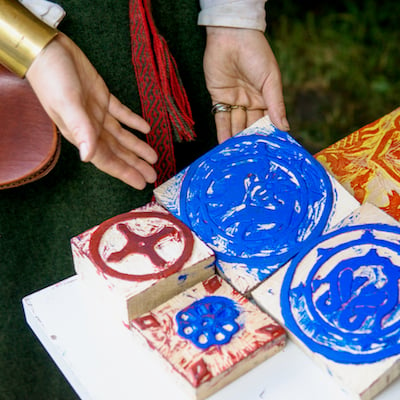
Woodcut is a printing technique where an image is carved into the surface of a woodblock using gouges, with the remaining flat surface holding the ink for printing. The areas cut away by the artist do not carry ink, while the uncut areas do, producing the desired print. The carving follows the wood's grain, unlike wood engraving, where the block is cut across the end-grain. Ink is applied to the surface with a roller, ensuring only the flat, uncarved areas receive ink, leaving the recessed, non-printing areas clean.
Can't find your Answer?
Thank you! Your question has been sent — we'll get back to you shortly.
