
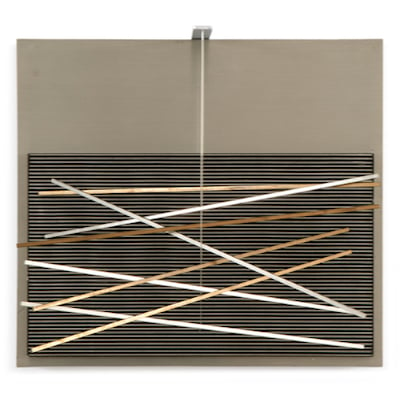
What is kinetic art?
- Show All
- Established
- Discoveries
- Show All
Artworks Related to Kinetic art

Julio Le Parc
Dessin Infinie 10, 2022
Drawing / Watercolor
Marker
EUR 2,000

Julio Le Parc
Dessin Infinie 9, 2022
Drawing / Watercolor
Marker
EUR 2,000

Julio Le Parc
Dessin Infinie 8, 2022
Drawing / Watercolor
Marker
EUR 2,000

Julio Le Parc
Dessin Infinie 6, 2022
Drawing / Watercolor
Marker
EUR 2,000

Alexander Calder
Santa Claus X, 1974
Limited Edition Print
Etching
USD 1,700
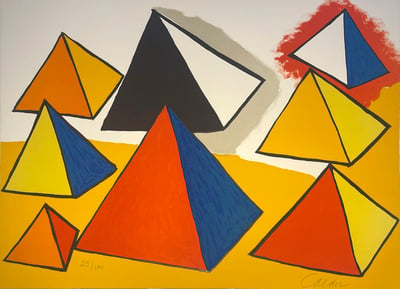
Alexander Calder
Hommage á Euclide / Hommage to Euclid from La Memoire Elementaire, 1976
Limited Edition Print
Lithograph
USD 9,600
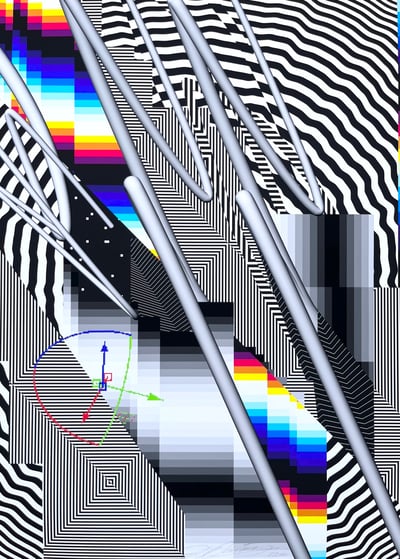
Felipe Pantone
Optichromie 116P, 2023
Limited Edition Print
Digital Print on paper
EUR 900

Yaacov Agam
Square Wave, 1983
Limited Edition Print
Serigraph
USD 1,250
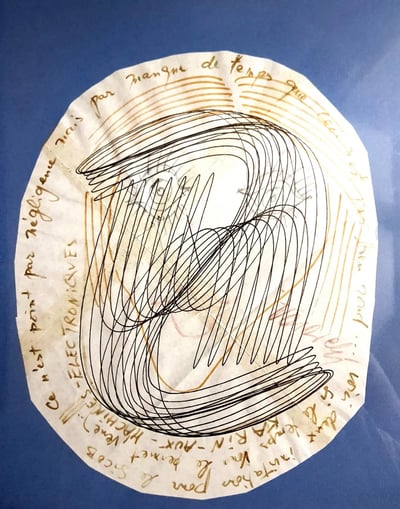
Victor Vasarely
Face, 1970s
Drawing / Watercolor
Pen and ink
EUR 3,650
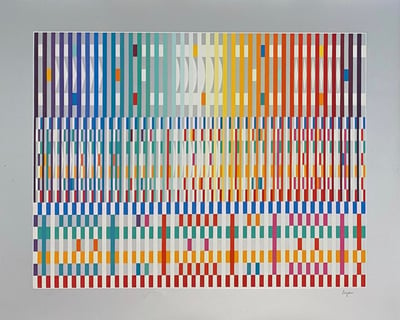
Yaacov Agam
Untitled II, 1990
Limited Edition Print
Lithograph
USD 900

Gregorio Vardanega
Boite à Cercles de Couleurs, 1970
Sculpture / Object
Acrylic sculpture
Currently Not Available

Rafael Jesus Soto
Dos Cuadraditos, 1972
Sculpture / Object
Object
Currently Not Available

Carlos Cruz-Diez
Stèle horizontale 9, 2008
Ceramics
Ceramic
EUR 12,000

Otto Piene
Addis Abeba, 1972
Limited Edition Print
Silkscreen
EUR 19,500
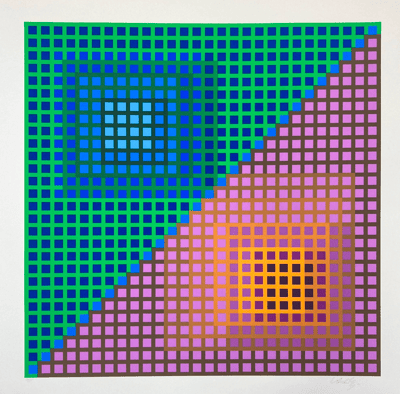
Victor Vasarely
Lum, 1982
Limited Edition Print
Lithograph
USD 1,250

Marina Apollonio
Dinamica Circolare Ellisse 6Z, 1969-2022
Sculpture / Object
Wood
EUR 1,500
Related Articles


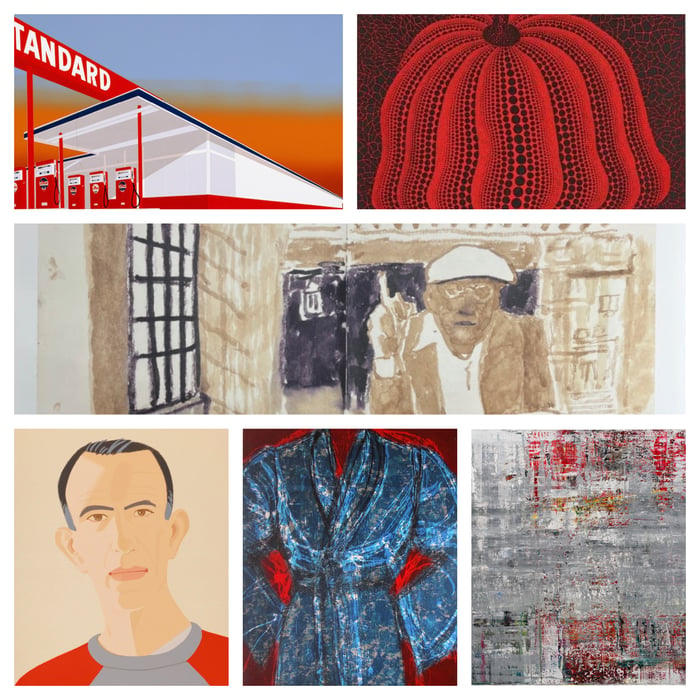

Video art is an art form that uses video and audio data, primarily featuring moving images. It emerged in the late 1960s and early 1970s with the advent of new technology and consumer video equipment that became accessible beyond corporate broadcasting. Video art can take many forms, including broadcast recordings, installations in museums or galleries, online streamed works, videotapes, and performances incorporating video monitors, television sets, or projections that display live or recorded sounds and images.

Graffiti art refers to drawings and writings that are painted, scratched, or scribbled on walls or other surfaces, typically in public spaces. This art form ranges from small tags to elaborate wall paintings. Graffiti has been in existence since ancient times, with examples dating back to the Roman Empire, Ancient Greece, and Ancient Egypt.
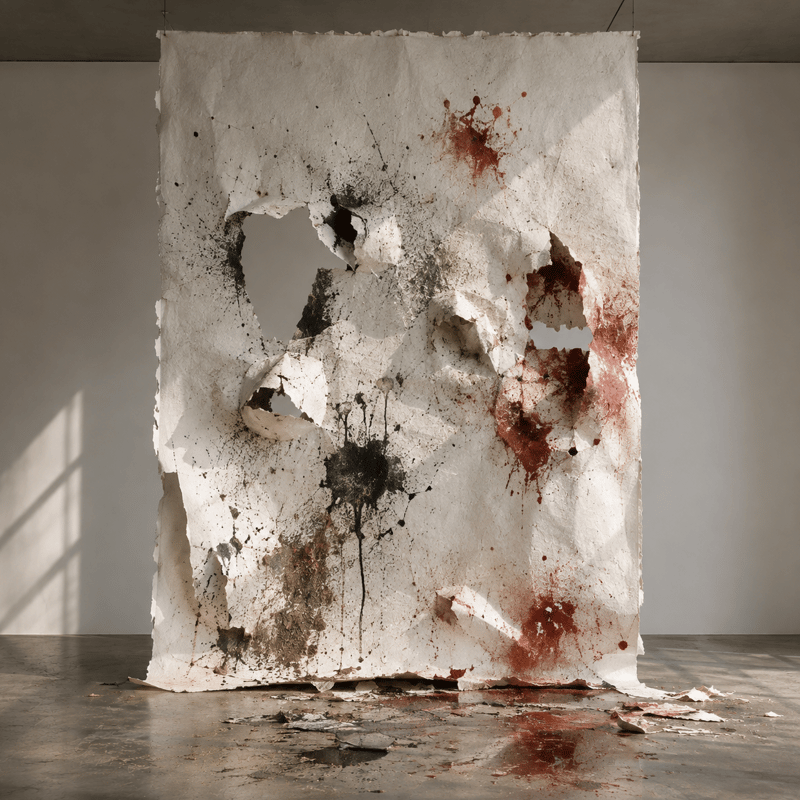
Gutai was a group of Japanese radical artists who formed the Gutai Art Association in 1954. The word Gutai translates to embodiment. The group was known for creating art on the spot for live audiences, often incorporating their own physical movements. Their performances included actions like throwing paint, piercing paper, and rolling in mud, emphasizing the direct interaction between the body and the material.
Can't find your Answer?
Thank you! Your question has been sent — we'll get back to you shortly.
