
What is Latin American art?
- Show All
- Established
- Discoveries
- Show All
Artworks Related to Latin American Art

Rafael Jesus Soto
Dos Cuadraditos, 1972
Sculpture / Object
Object
Currently Not Available

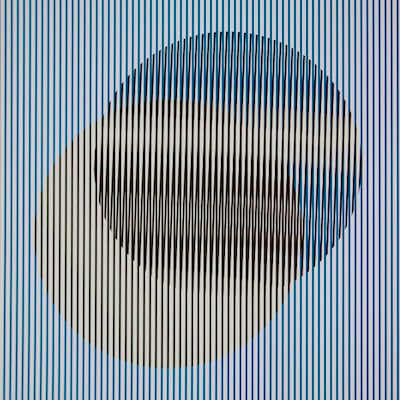
Carlos Cruz-Diez
Stèle horizontale 9, 2008
Ceramics
Ceramic
EUR 12,000

Fernando Botero
Fumador de Cigarrillos, 1975 -1980
Limited Edition Print
Lithograph
Currently Not Available

Rafael Jesus Soto
Caroni, 1971
Limited Edition Print
Silkscreen
EUR 1,270

Julio Le Parc
Damier, 2022
Limited Edition Print
Digital Print on paper
EUR 1,000

Roberto Matta
Cover Design for VVV Magazine , c. 1942
Drawing / Watercolor
Mixed Media
USD 8,450

Lucio Fontana
Concetto Spaziale, 1975
Limited Edition Print
Lithograph
Currently Not Available

Antonio Dias
In Motion, 1975
Limited Edition Print
Silkscreen
EUR 6,000

Antonio Dias
Anywhere is My Land, 1975
Limited Edition Print
Silkscreen
EUR 6,000

Roberto Matta
Coigitum, 1975
Limited Edition Print
Etching and Aquatint
USD 750
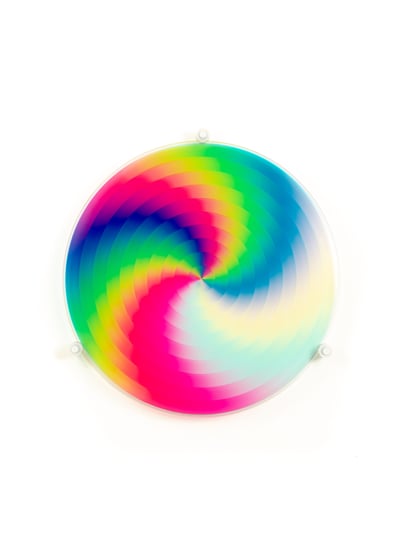
Felipe Pantone
Substractive Variability Compact, 2022
Sculpture / Object
Acrylic sculpture
EUR 4,700
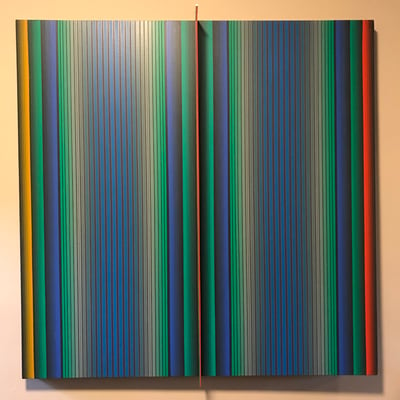
Dario Perez-Flores
Prochromatique 1241, 2020
Painting
Mixed Media
EUR 27,000
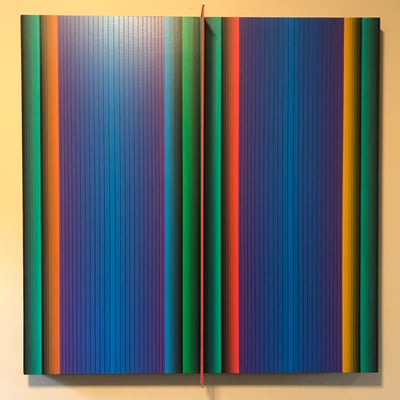
Dario Perez-Flores
Prochromatique 1240, 2022
Painting
Mixed Media
EUR 27,000
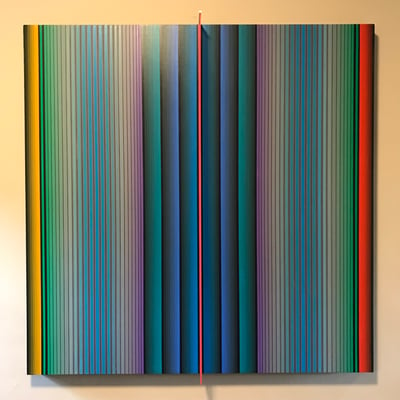
Dario Perez-Flores
Prochromatique 1138, 2020
Painting
Mixed Media
EUR 27,000

Julio Le Parc
Larga marcha, 4 bifurcaciones 14, 2021
Limited Edition Print
Lithograph
EUR 4,000

Julio Le Parc
Larga marcha, 4 bifurcaciones, 13, 2021
Limited Edition Print
Lithograph
Currently Not Available
Related Articles
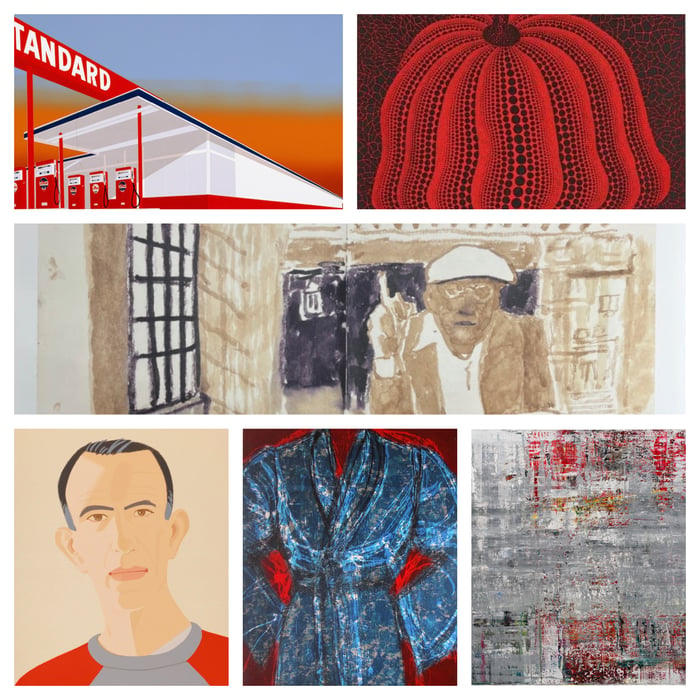

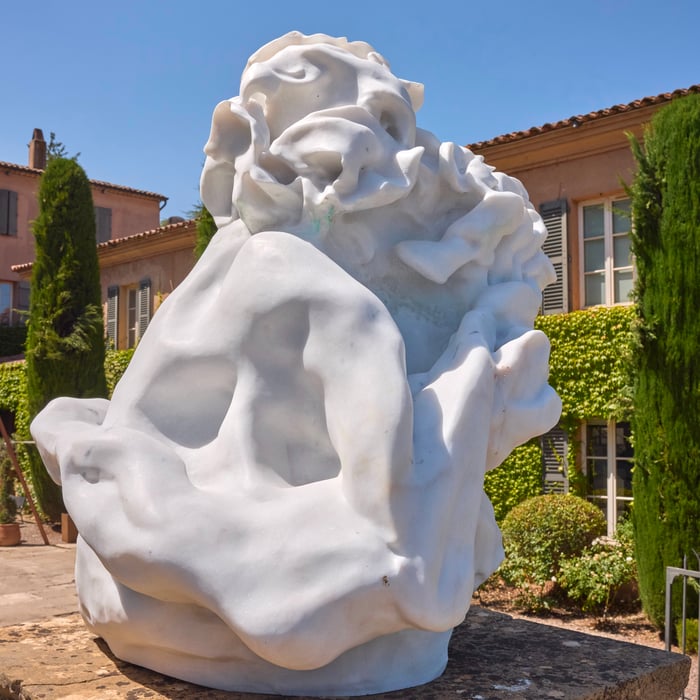
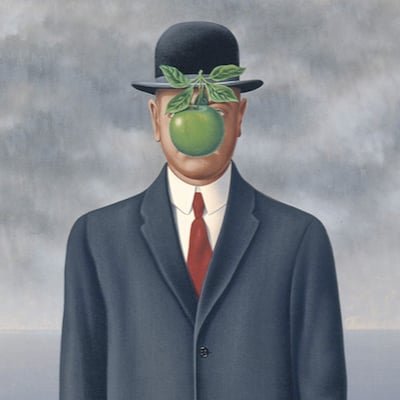
Surrealism began in the 1920s as an art and literary movement with the goal of revealing the unconscious mind and unleashing the imagination by exploring unusual and dream-like imagery. Influenced by Sigmund Freud’s theories of psychoanalysis, Surrealist artists and writers sought to bring the unconscious into rational life, blurring the lines between reality and dreams. The movement aimed to challenge conventional perceptions and express the irrational aspects of the human experience.

Avant-garde refers to innovative and experimental ideas in the arts that challenge established norms and conventions. Originating from the French term for advance guard, it describes both the movement and the artists who push the boundaries of creativity, often exploring new techniques, forms, and concepts. The avant-garde has been a driving force in various art movements throughout history, such as Dadaism, Surrealism, and Abstract Expressionism, continually reshaping the landscape of art and culture.

Cubism is an art movement that aimed to depict multiple perspectives of objects or figures within a single picture. Artists Georges Braque and Pablo Picasso pioneered this style around 1907. The name Cubism emerged from their use of geometric shapes and outlines that often resembled cubes, breaking objects down into abstracted forms.
Can't find your Answer?
Thank you! Your question has been sent — we'll get back to you shortly.
