
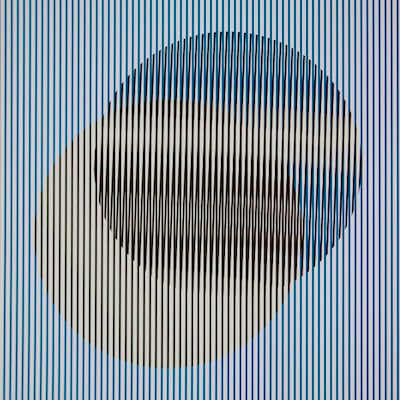
What is Latin American art?
- Show All
- Established
- Discoveries
- Show All
Artworks Related to Latin American Art
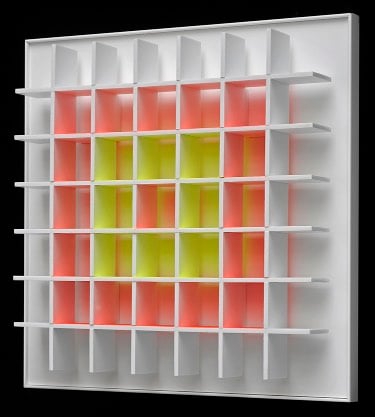
Luis Tomasello
Grille chromoplastique A, 2012
Sculpture / Object
Object
EUR 2,000

Luis Tomasello
Cube atmosphére chromoplastique, 2011
Sculpture / Object
Wood
EUR 6,000
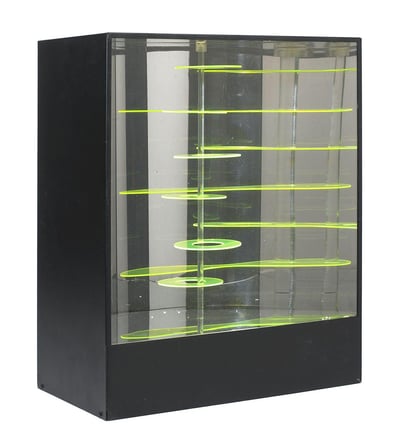
Martha Boto
Déplacement optique A, 1969
Sculpture / Object
Acrylic sculpture
EUR 6,000
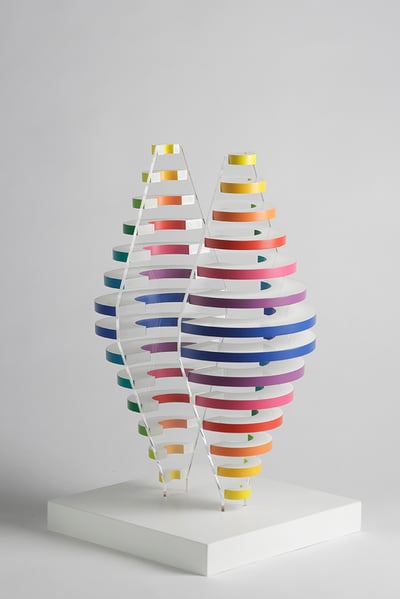
Martha Boto
2 Demi cones avec anneaux de couleurs, 1975
Sculpture / Object
Acrylic sculpture
EUR 3,500
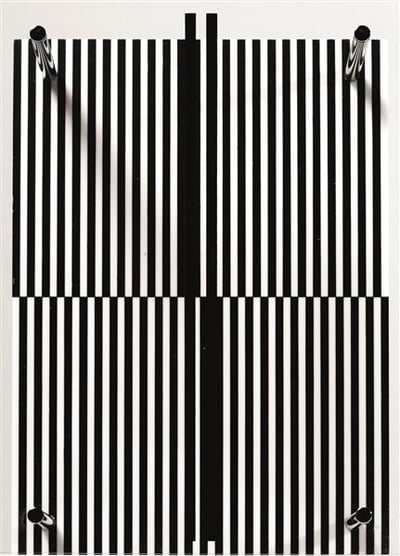
Rafael Jesus Soto
Permutation, 1955-1978
Sculpture / Object
Object
EUR 5,500
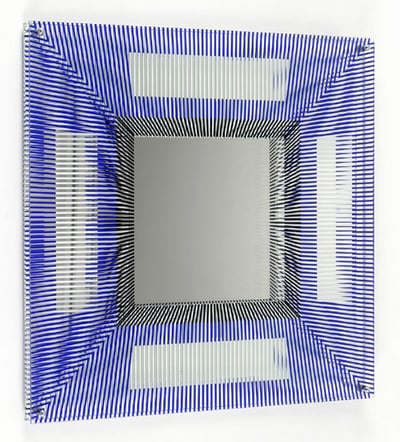
Rafael Jesus Soto
Mirroire, 2005
Sculpture / Object
Glass
EUR 10,000
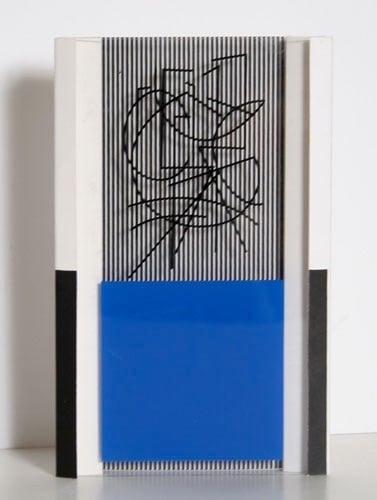
Rafael Jesus Soto
Sans Titre, 2001
Sculpture / Object
Acrylic sculpture
EUR 2,800
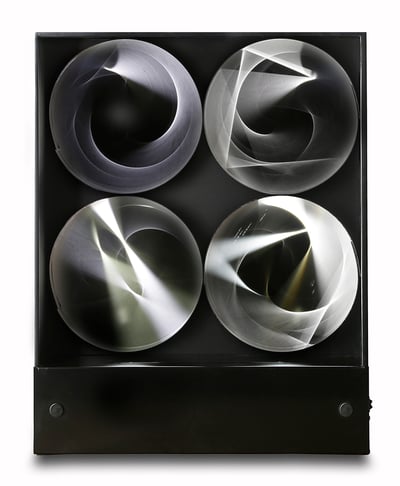
Julio Le Parc
Continuel Lumiere a Cylindres, 1962-2014
Sculpture / Object
Mixed Media
EUR 9,000

Carlos Cruz-Diez
Céramique # 2, 2008
Ceramics
Ceramic
EUR 12,000

Carlos Cruz-Diez
Céramique # 3, 2008
Ceramics
Ceramic
EUR 12,000

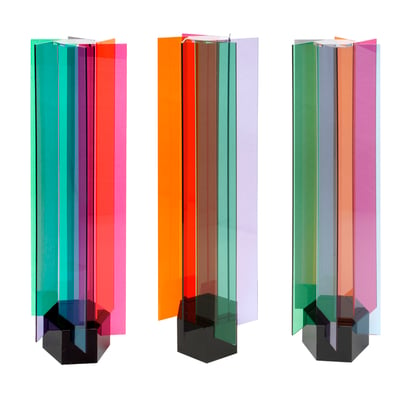
Carlos Cruz-Diez
Transchromie à 3 plaques, 2011
Sculpture / Object
Object
EUR 7,500
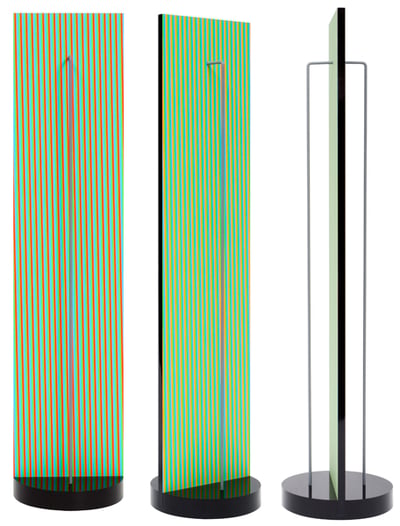
Carlos Cruz-Diez
Transchromies a 6 elements, 2010
Sculpture / Object
Object
EUR 12,000
Carlos Cruz-Diez
Couleur a l espace Ariel, 2011
Sculpture / Object
Object
EUR 9,000

Carlos Cruz-Diez
Chromointerference Manipulable Circulaire B, 2013
Sculpture / Object
Object
EUR 16,000

Carlos Cruz-Diez
Chromointerference Manipulable Caribe, 1965 - 2014
Sculpture / Object
Object
EUR 8,000
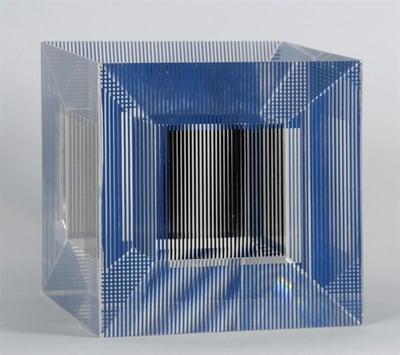
Rafael Jesus Soto
Cube with Ambiguous Space , 1981
Sculpture / Object
Object
Currently Not Available
Related Articles
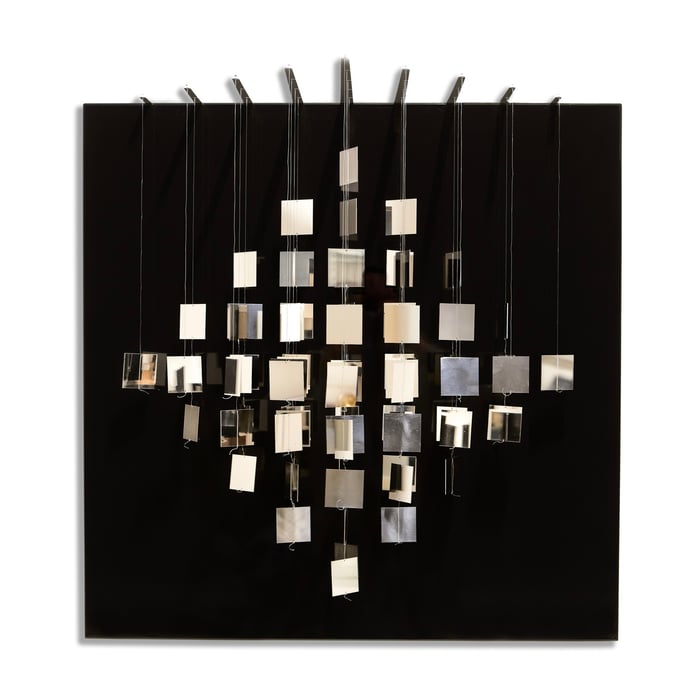
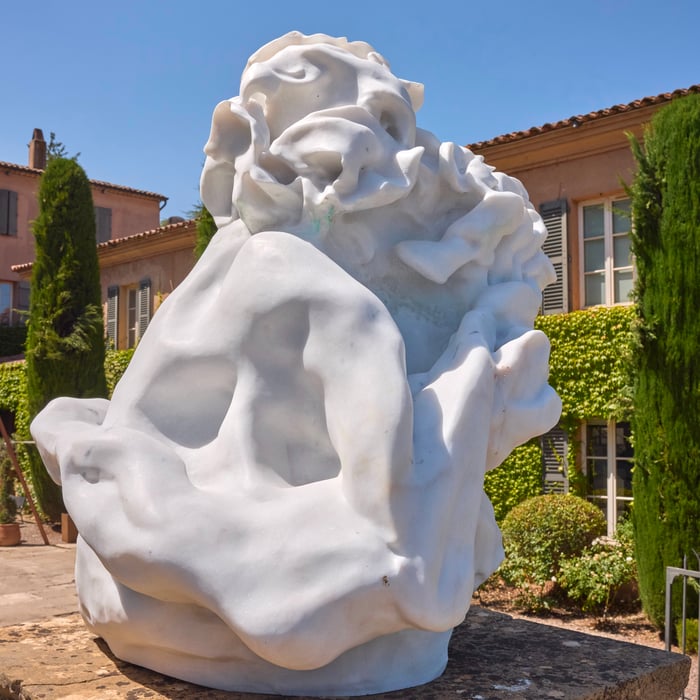
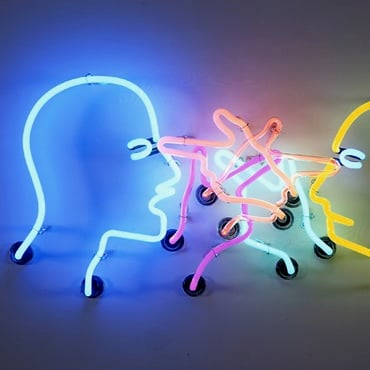
Process Art is an artistic movement and creative approach where the focus is on the act of creation rather than the final product. The term process in this context refers to the various stages of art-making, including gathering, sorting, associating, and organizing materials and actions. This movement emphasizes the artistic journey and the human expression involved in creating art, rather than the finished piece itself. Process Art is driven by inherent motivation, intentionality, and the rationale behind the actions, viewing the creative process as the true artwork.
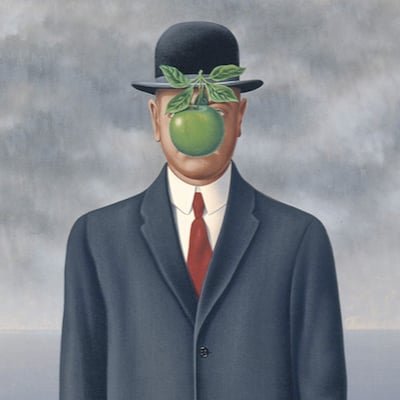
Surrealism began in the 1920s as an art and literary movement with the goal of revealing the unconscious mind and unleashing the imagination by exploring unusual and dream-like imagery. Influenced by Sigmund Freud’s theories of psychoanalysis, Surrealist artists and writers sought to bring the unconscious into rational life, blurring the lines between reality and dreams. The movement aimed to challenge conventional perceptions and express the irrational aspects of the human experience.
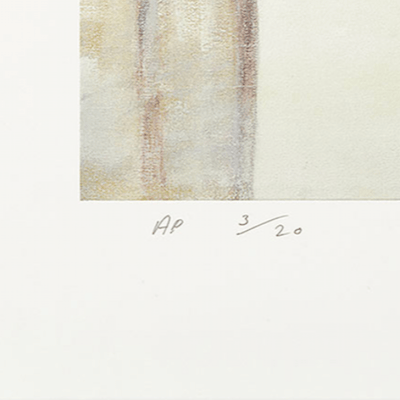
An artist proof traditionally refers to a print impression taken during the printing process to evaluate the current state of the artwork as the artist works on the plate. These proofs often show incomplete images and are sometimes called trial impressions or working proofs. However, in modern practice, an artist proof typically refers to an impression of the finished work that is identical to the numbered edition copies but is set aside for the artist's personal use. Artist proofs are usually marked A.P. and may be considered more valuable by collectors due to their limited availability.
Can't find your Answer?
Thank you! Your question has been sent — we'll get back to you shortly.
