

What is Neo-Geo?
- Show All
- Established
- Discoveries
- Show All
Artworks Related to Neo-Geo

Jeff Koons
Balloon Monkey (Blue), 2017
Sculpture / Object
Porcelain
USD 12,000

Jeff Koons
Balloon Swan (Yellow), 2017
Sculpture / Object
Porcelain
EUR 14,000
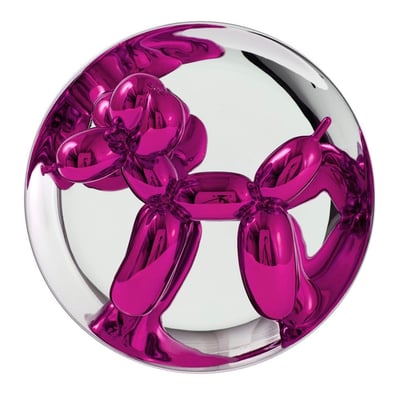
Jeff Koons
Balloon Dog (Magenta), 2015
Sculpture / Object
Porcelain
EUR 8,500
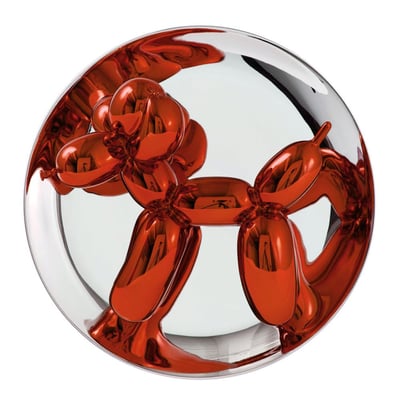
Jeff Koons
Balloon Dog (Orange), 2015
Sculpture / Object
Porcelain
EUR 9,000
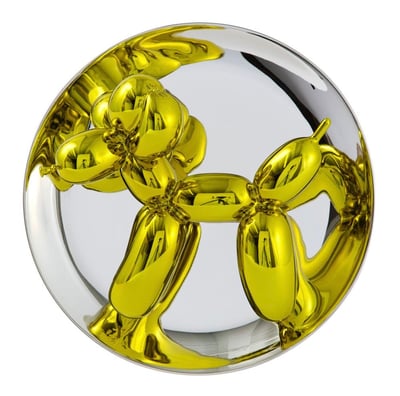
Jeff Koons
Balloon Dog (Yellow), 2015
Sculpture / Object
Porcelain
EUR 9,000
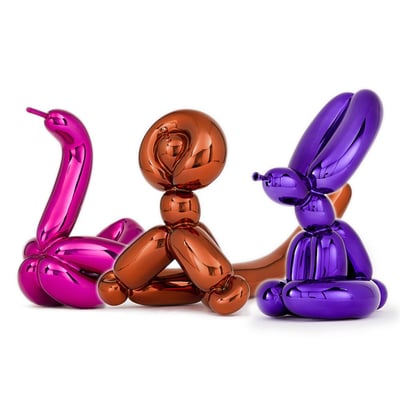
Jeff Koons
Balloon Animals, Set II, 2019
Sculpture / Object
Porcelain
EUR 38,000

Jeff Koons
Blue Balloon Dog, 2002
Sculpture / Object
Porcelain
USD 17,750

Jeff Koons
Red Balloon Dog, 1995
Sculpture / Object
Porcelain
USD 21,200
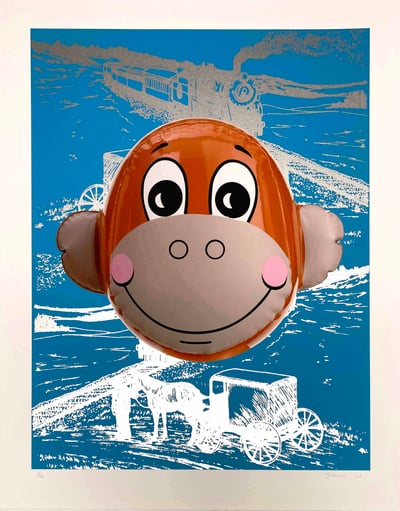
Jeff Koons
Monkey Train (Blue), 2007
Limited Edition Print
Silkscreen
USD 30,000 - 40,000
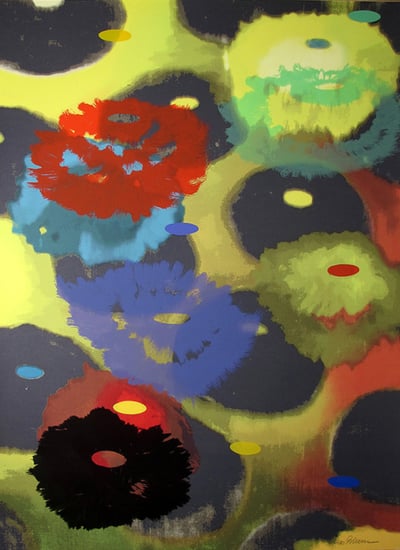
Ross Bleckner
PS III, 1997
Limited Edition Print
Screen-print
USD 3,575
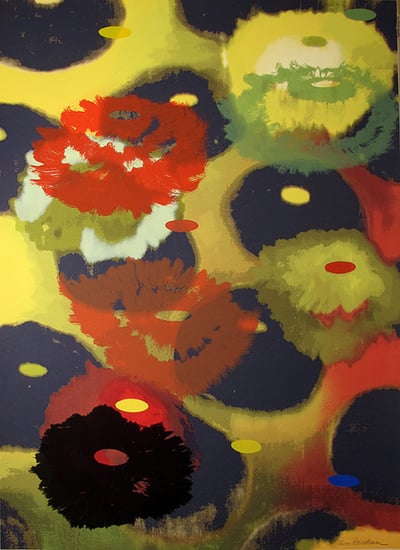
Ross Bleckner
PS I, 1997
Limited Edition Print
Screen-print
USD 3,575
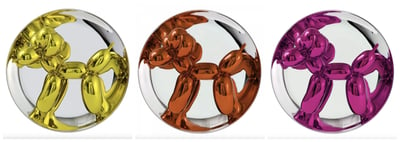
Jeff Koons
Ballon Dogs - set of 3, 2015 -2017
Sculpture / Object
Porcelain
USD 30,000 - 40,000

Jeff Koons
Balloon Rabbit (Red), 2017
Sculpture / Object
Porcelain
EUR 20,000 - 30,000
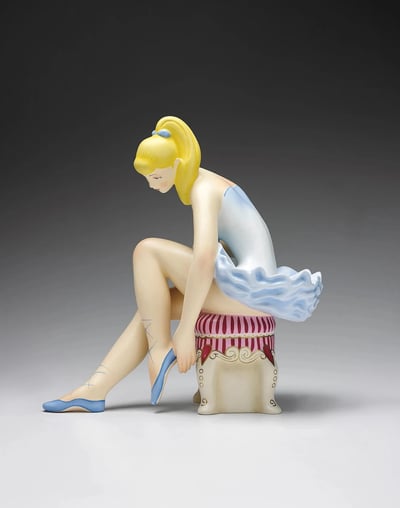
Jeff Koons
Seated Ballerina, 2015
Sculpture / Object
Wood
EUR 85,000 - 100,000

Jeff Koons
Diamond (Blue), 2023
Sculpture / Object
Porcelain
USD 16,500

Peter Halley
Untitled (from the BAM III Portfolio), 1991
Limited Edition Print
Lithograph
USD 3,100
Related Articles
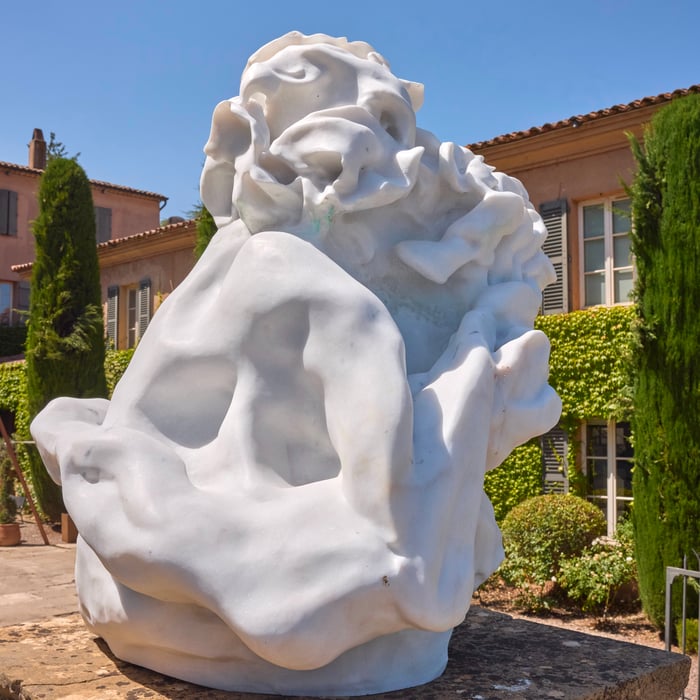
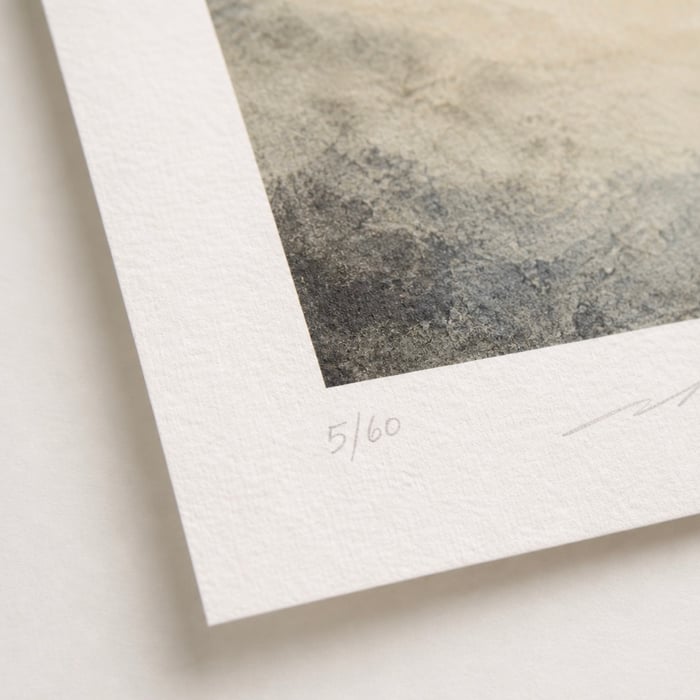
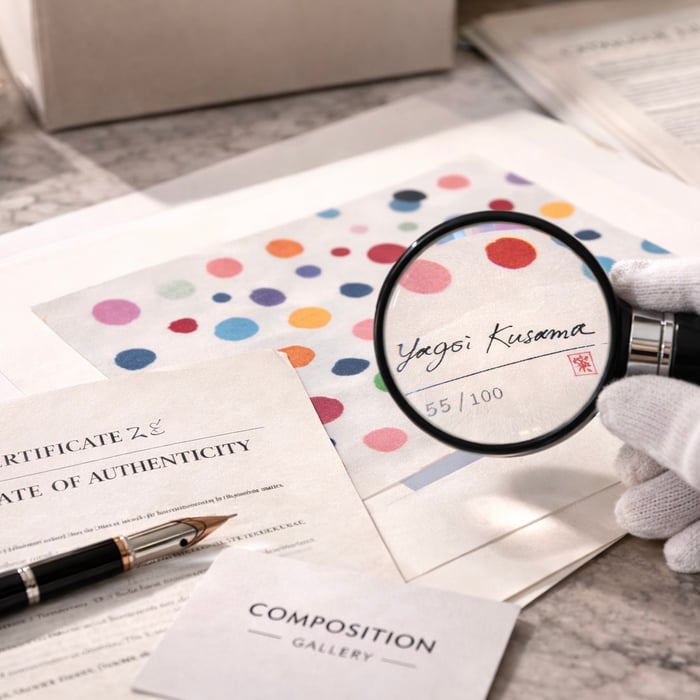
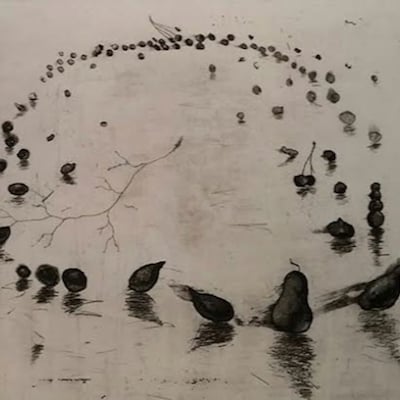
Drypoint is an intaglio printmaking technique where an image is incised onto a plate using a sharp, pointed tool, typically a needle made of metal or diamond. Traditionally, copper plates were used, but today zinc, plexiglass, or acetate are also common. Drypoint is easier for drawing artists to master compared to engraving, as the needle technique resembles drawing with a pencil rather than the more complex burin used in engraving.
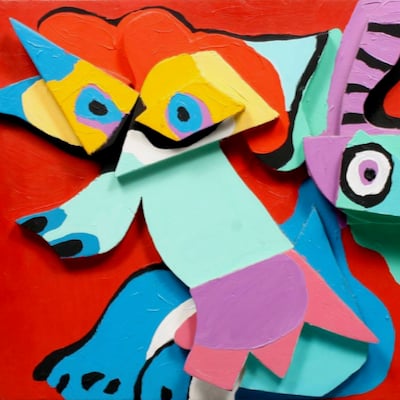
CoBrA stands for Copenhagen, Brussels, and Amsterdam; the group was formed with a desire to break away from the existing art movements of the time. Their critique of Western society led them to experiment and evolve into a significant international movement. CoBrA was founded on November 8, 1948, at the Notre Dame Café in Paris, where its manifesto was signed by Karel Appel, Joseph Noiret, Corneille, Christian Dotremont, Constant, and Asger Jorn. The group was united by a shared commitment to freedom in both form and color, and their work emphasized experimentation and spontaneity.

Postminimalism refers to a range of art styles that emerged in the 1960s, following the Minimalism movement. While Minimalism focused on simplicity and impersonality, Postminimalist artists retained some elements of Minimalism but also explored greater expressiveness, experimenting with new materials and techniques. This movement includes various forms of art such as conceptual art, body art, performance art, process art, and site-specific works. Postminimalism represents a shift toward more personal, tactile, and process-oriented approaches to art-making.
Can't find your Answer?
Thank you! Your question has been sent — we'll get back to you shortly.
