

What is new figuration?
- Show All
- Established
- Discoveries
- Show All
Artworks Related to New Figuration

Julian Opie
Medieval Village 1, 2019
Limited Edition Print
Mixed Media
USD 4,400

Robert Longo
Men in the Cities, Tokyo, Seibu Department Stores, Ltd. II (3 Women), 1990
Limited Edition Print
Lithograph
USD 22,500

Julian Opie
Cargo shorts: Boston Statuette, 2020
Sculpture / Object
Bronze
USD 14,400

Julian Opie
Blazer: Boston Statuette, 2020
Sculpture / Object
Bronze
USD 14,400

Julian Opie
Cornish Coast 2: Polridmouth Coast, 2017
Limited Edition Print
Mixed Media
USD 7,800

Julian Opie
Cornish Coast 1: Lantivet Coast, 2017
Limited Edition Print
Mixed Media
USD 7,800

Robert Longo
Eric from Men in the Cities (color), 2014
Limited Edition Print
Archival Print
USD 7,200

Julian Opie
Cornish Coast 2: Lantivet Coast, 2017
Limited Edition Print
Mixed Media
USD 7,800

Robert Longo
Untitled #9 Wave, 2000
Limited Edition Print
Lithograph
USD 3,700

Robert Longo
Untitled #1 Wave, 2000
Limited Edition Print
Lithograph
USD 3,700
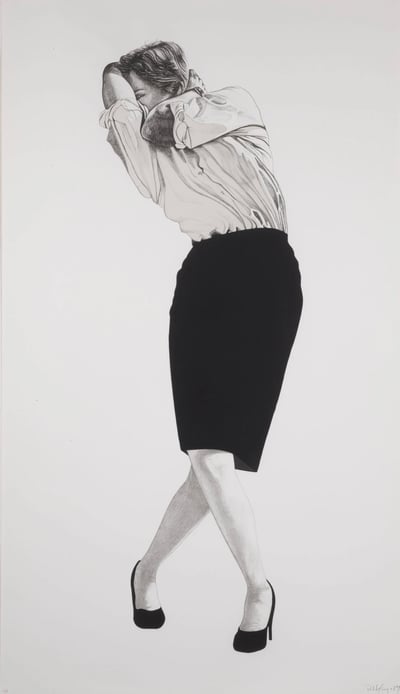
Robert Longo
Cindy from Men in the Cities, 2000
Limited Edition Print
Lithograph
Currently Not Available

Robert Longo
Untitled #4 Wave, 2000
Limited Edition Print
Lithograph
USD 3,700
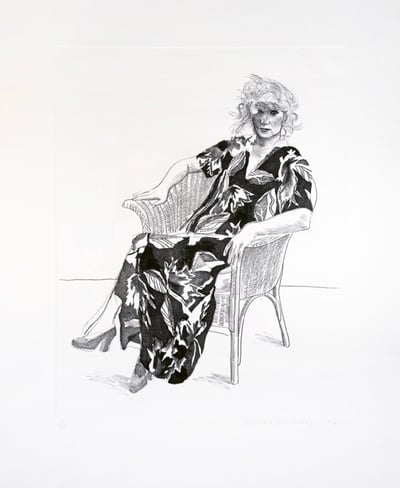
David Hockney
Celia in Wicker Chair (black state), 1974 (printed in 1981)
Limited Edition Print
Etching and Aquatint
Currently Not Available
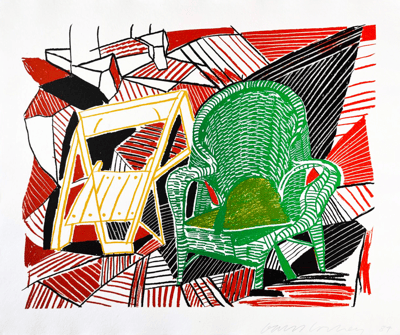
David Hockney
Two Pembroke Studio Chairs from the Moving Focus series, 1984
Limited Edition Print
Lithograph
USD 38,000 - 45,000

Julian Opie
Magpie, 2020
Sculpture / Object
Acrylic sculpture
Currently Not Available
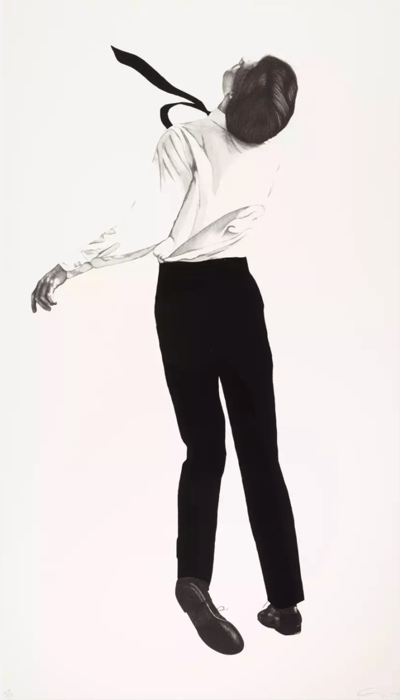
Robert Longo
Joseph (from the Men in the Cities series), 2000
Limited Edition Print
Lithograph
Currently Not Available
Related Articles

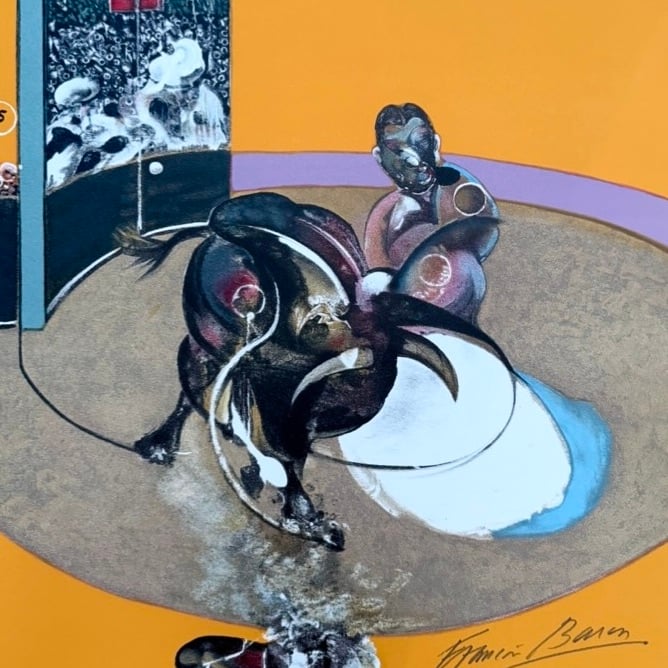

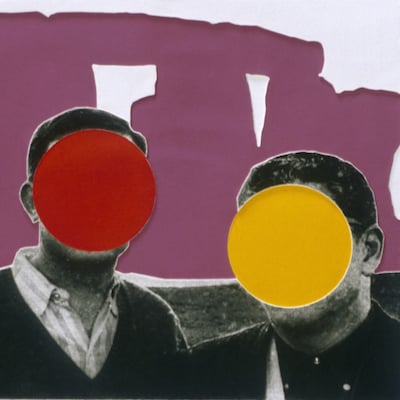
Sometimes referred to as Conceptualism, this is an art form where the idea(s) or concept(s) behind the work take precedence over material concerns and traditional aesthetics. Many conceptual artworks can be created by anyone simply by following written instructions. The concept or idea is the most essential aspect of the artwork.
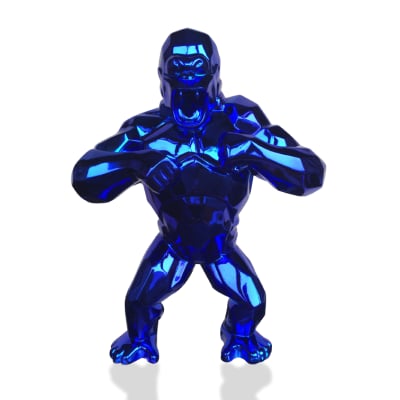
Resin can be derived from both natural sources, such as pine sap, and synthetic processes. Natural resin comes from tree sap, while synthetic resin is a type of dense, easily molded plastic. Resin is commonly used in sculpture, and it can also enhance the vibrancy of paint colors.

Nouveau Réalisme is an artistic movement founded in 1960 by art critic Pierre Restany and painter Yves Klein during a collective exhibition at a gallery in Milan. Restany wrote the original manifesto in April 1960, proclaiming the movement. In October of that year, nine artists, including Martial Raysse, Yves Klein, Daniel Spoerri, Jean Tinguely, Arman, Pierre Restany, and three Ultra-Lettrists—Jacques de la Villeglé, François Dufrêne, and Raymond Hains—signed the declaration. In 1961, the movement expanded to include Mimmo Rotella, Niki de Saint Phalle, Gérard Deschamps, and César. The movement emphasized a return to reality in art, often incorporating everyday objects and exploring the boundaries between art and life.
Can't find your Answer?
Thank you! Your question has been sent — we'll get back to you shortly.
