

What is new figuration?
- Show All
- Established
- Discoveries
- Show All
Artworks Related to New Figuration
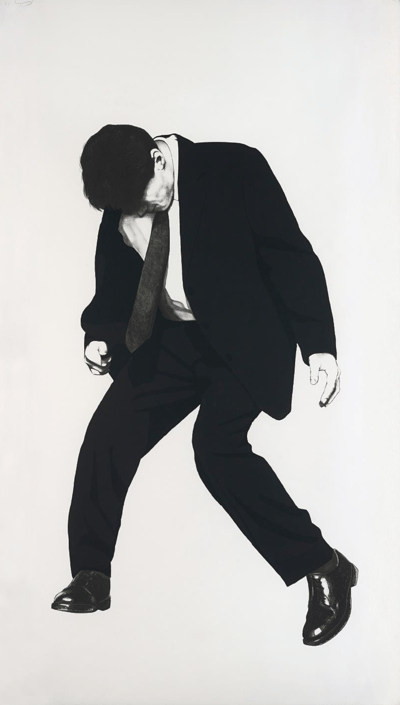
Robert Longo
James, 1999
Limited Edition Print
Lithograph
USD 55,000 - 60,000
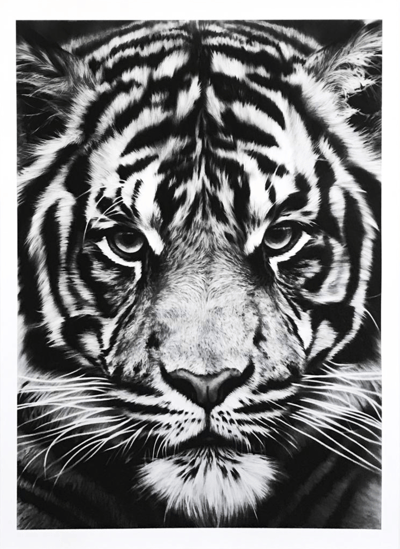
Robert Longo
Untitled (Tiger), 2012
Limited Edition Print
Pigment print
USD 45,000 - 50,000

Robert Longo
Untitled (Moon in Shadow), 2006
Limited Edition Print
Pigment print
USD 6,000

Julian Opie
Street 1, 2020
Limited Edition Print
Relief printing
USD 21,000

Julian Opie
Street 3, 2020
Limited Edition Print
Relief printing
USD 21,000

Julian Opie
Street 4, 2020
Limited Edition Print
Relief printing
USD 21,000

Julian Opie
Street 5, 2020
Limited Edition Print
Relief printing
USD 21,000

Julian Opie
City Walkers 2, 2014
Sculpture / Object
Mixed Media
USD 11,300

Julian Opie
Elena and Cressie get ready for the party 6, 2011
Limited Edition Print
Mixed Media
USD 7,800

Julian Opie
French Landscapes: Evening Sun, 2013
Limited Edition Print
Inkjet print
USD 17,800

Julian Opie
View From My Hotel Room, 2008
Sculpture / Object
Video art
USD 3,970
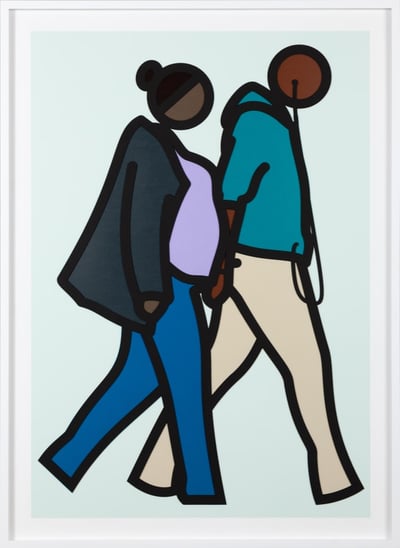
Julian Opie
New York Couple 6, 2019
Limited Edition Print
Screen-print
USD 17,800
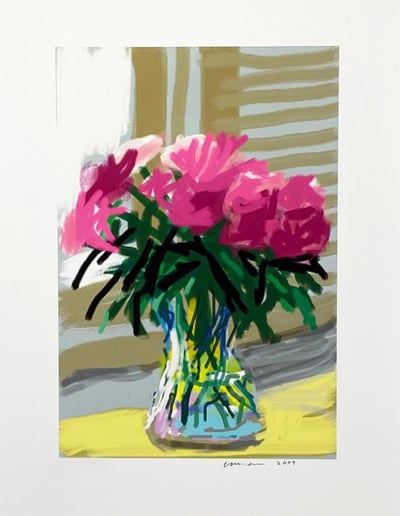
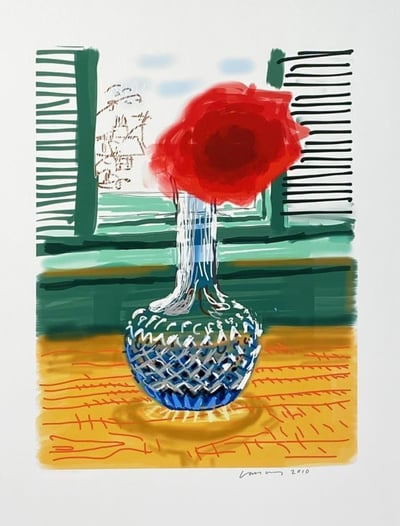
David Hockney
My Window - iPad drawing 'No. 535', 28th June 2009, 2019
Limited Edition Print
Inkjet print
EUR 45,000 - 60,000
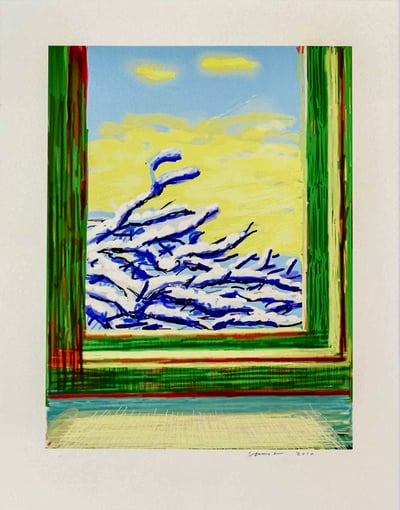
David Hockney
My Window - iPad drawing 'No. 281', 23rd July 2010, 2019
Limited Edition Print
Inkjet print
EUR 45,000 - 60,000
David Hockney
My Window - iPad drawing ‘No. 610', 23rd December 2010, 2019
Limited Edition Print
Inkjet print
EUR 45,000 - 60,000

Julian Opie
Dance 3, 2023
Limited Edition Print
Mixed Media
USD 22,000
Related Articles



Avant-garde refers to innovative and experimental ideas in the arts that challenge established norms and conventions. Originating from the French term for advance guard, it describes both the movement and the artists who push the boundaries of creativity, often exploring new techniques, forms, and concepts. The avant-garde has been a driving force in various art movements throughout history, such as Dadaism, Surrealism, and Abstract Expressionism, continually reshaping the landscape of art and culture.

Tempera is a paint traditionally made by mixing colored pigments with egg yolk. It dries quickly and is highly durable, with some examples dating back to 100 AD still in existence. Modern tempera paint often uses glue size as a binder instead of egg yolk. Tempera is known for its bright colors and fine, detailed application, making it popular for panel paintings and icons.

Sand consists of loose grains of material primarily made up of minerals like quartz, mica, and feldspar, as well as small fragments of rocks. Sand paintings are created by pouring colored sand into intricate designs, often for cultural rituals or special celebrations. These designs can take many days to complete and are traditionally brushed away after the ceremony, emphasizing the impermanence of the artwork.
Can't find your Answer?
Thank you! Your question has been sent — we'll get back to you shortly.
