
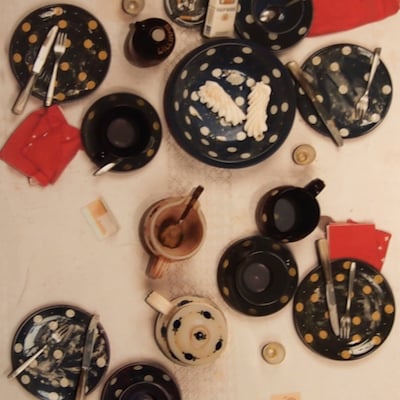
What is Nouveau Realism?
- Show All
- Established
- Discoveries
- Show All
Artworks Related to Nouveau Realism
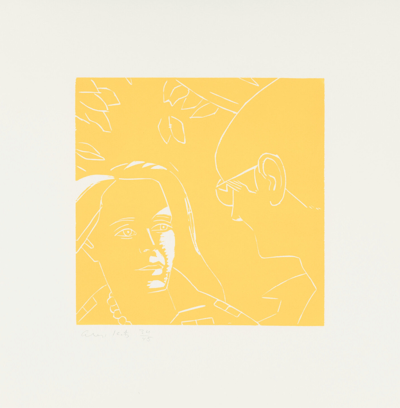
Alex Katz
Anda and Dino (from A Tremor in the Morning), 1986
Limited Edition Print
Woodcut
USD 6,500
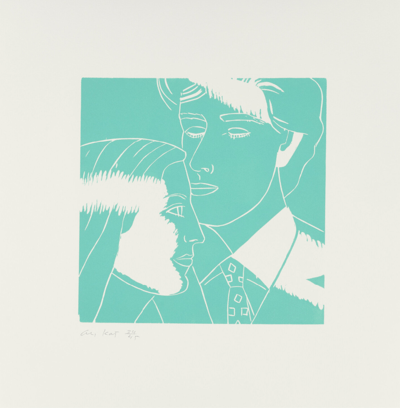
Alex Katz
Kriti and Vincent (from A Tremor in the Morning), 1986
Limited Edition Print
Woodcut
USD 6,500
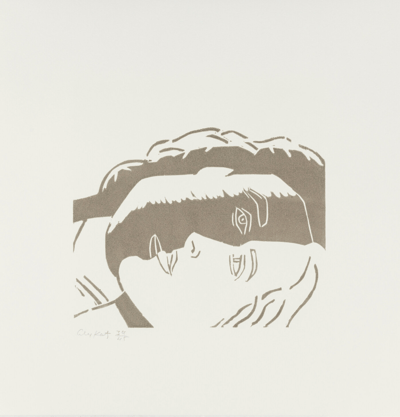
Alex Katz
Peter and Linda (from A Tremor in the Morning), 1986
Limited Edition Print
Woodcut
USD 6,500
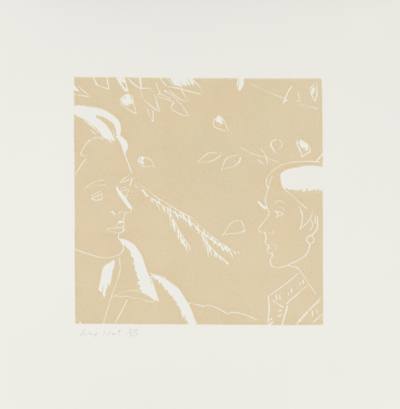
Alex Katz
Rackstraw and Peggy (from a Tremor in the Morning), 1986
Limited Edition Print
Woodcut
USD 6,500
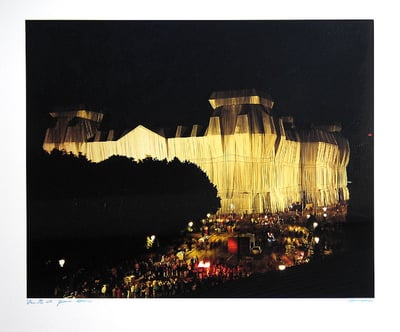
Javacheff Christo
Reichstag/Berlin Nacht, Wrapped, 1995
Limited Edition Print
Photograph
EUR 10,000
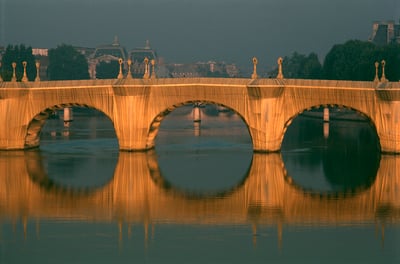
Javacheff Christo
The Pont Neuf Wrapped Reflecting Bridge PN-150, 1985
Limited Edition Print
Photograph
EUR 14,000
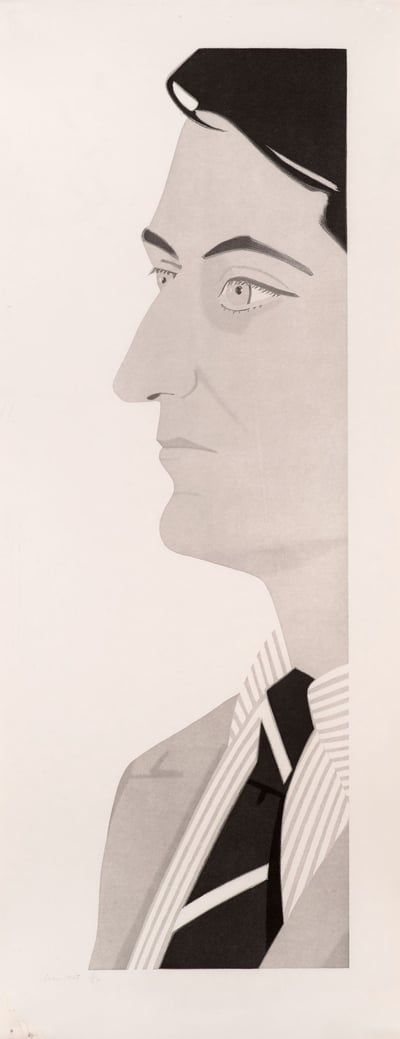
Alex Katz
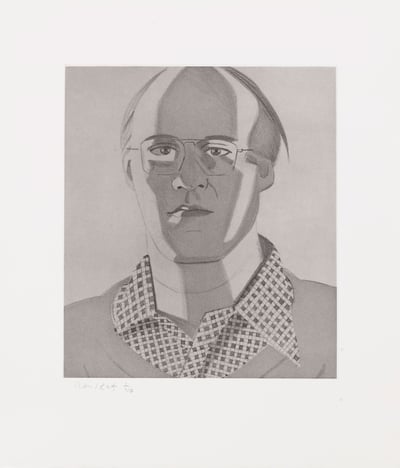
John Ashbery, 1986
Limited Edition Print
Aquatint
USD 6,190
Alex Katz
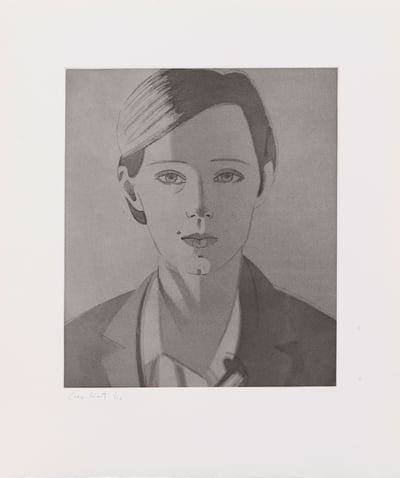
Give Me Tomorrow 7, 1983
Limited Edition Print
Mixed Media
USD 1,750
Alex Katz
Give Me Tomorrow 6, 1983
Limited Edition Print
Mixed Media
USD 1,750

Alex Katz
Give Me Tomorrow 5, 1983
Limited Edition Print
Mixed Media
USD 1,750
Alex Katz
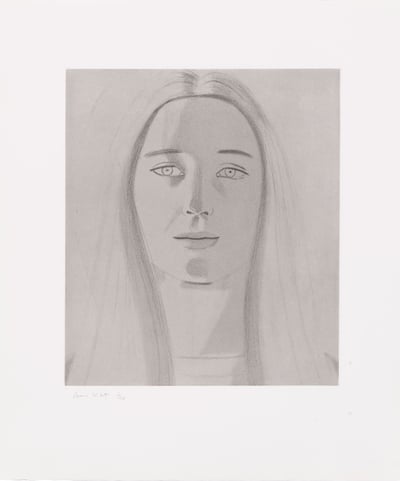
Give Me Tomorrow 4, 1983
Limited Edition Print
Mixed Media
USD 1,750

Alex Katz
Give Me Tomorrow 3, 1983
Limited Edition Print
Mixed Media
USD 1,750
Alex Katz
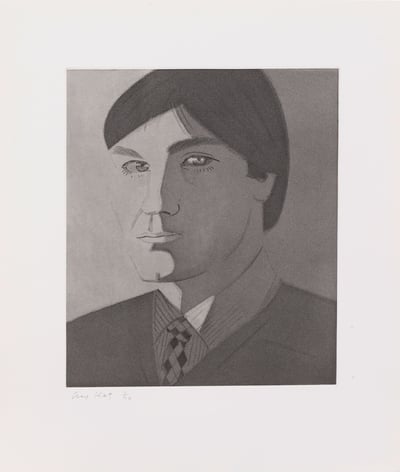
Give Me Tomorrow 1, 1983
Limited Edition Print
Mixed Media
USD 1,750
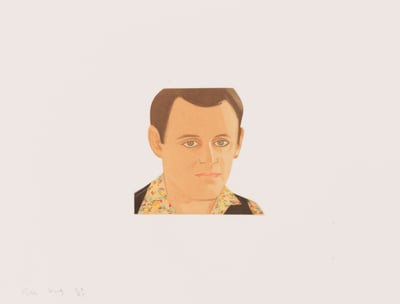
Alex Katz
Face of the Poet 6, 1978
Limited Edition Print
Aquatint
USD 2,700
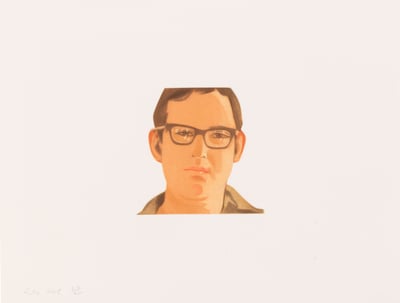
Alex Katz
Face of the Poet 5, 1978
Limited Edition Print
Aquatint
USD 2,700
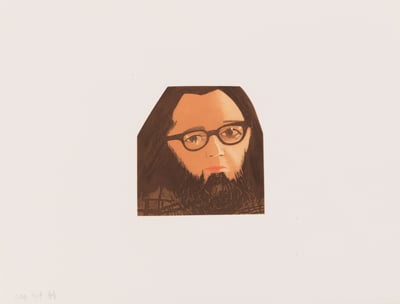
Alex Katz
Face of the Poet 4, 1978
Limited Edition Print
Aquatint
USD 2,700
Related Articles


Photorealism is a genre of art or artistic movement that involves drawing, painting, and other graphic media in which the artist carefully studies a photograph and attempts to reproduce it as realistically as possible in another medium. While the term can broadly describe any artwork created in this manner, it specifically refers to a group of painters and paintings in the U.S. art movement that emerged in the late 1960s and early 1970s.

New Topographics is a term coined in 1975 by curator William Jenkins to describe a group of photographers whose work focused on formal black-and-white images of urban and industrial landscapes. Jenkins initially described their aesthetic as banal, but the photographers themselves argued that their compositions were as significant as those of natural landscapes, emphasizing the beauty in everyday, man-made environments.

Sand consists of loose grains of material primarily made up of minerals like quartz, mica, and feldspar, as well as small fragments of rocks. Sand paintings are created by pouring colored sand into intricate designs, often for cultural rituals or special celebrations. These designs can take many days to complete and are traditionally brushed away after the ceremony, emphasizing the impermanence of the artwork.
Can't find your Answer?
Thank you! Your question has been sent — we'll get back to you shortly.
