
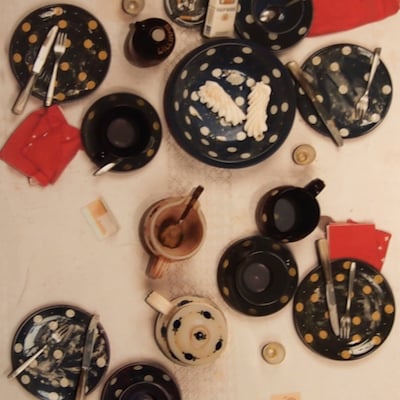
What is Nouveau Realism?
- Show All
- Established
- Discoveries
- Show All
Artworks Related to Nouveau Realism

Jean Tinguely
Shooting paintings, 1970
Drawing / Watercolor
Ink
EUR 4,000
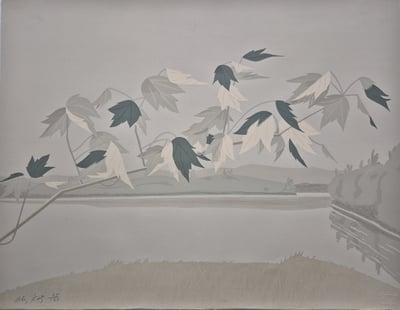
Alex Katz
Late July 2, 1971
Limited Edition Print
Lithograph
EUR 9,600

Alex Katz
White Lilies 6, 2025
Limited Edition Print
Silkscreen
Inquire For Price
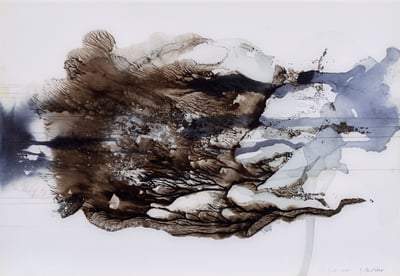
Gerhard Richter
December 2020 C, 2020
Limited Edition Print
Giclée printing
GBP 17,000 - 20,000

Gerhard Richter
Frau Mit Kind / Mother With Child, 1965 / 2005
Limited Edition Print
Offset Print
GBP 3,500 - 5,000
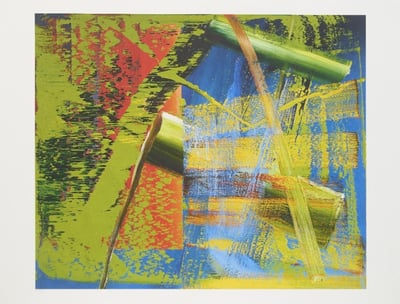
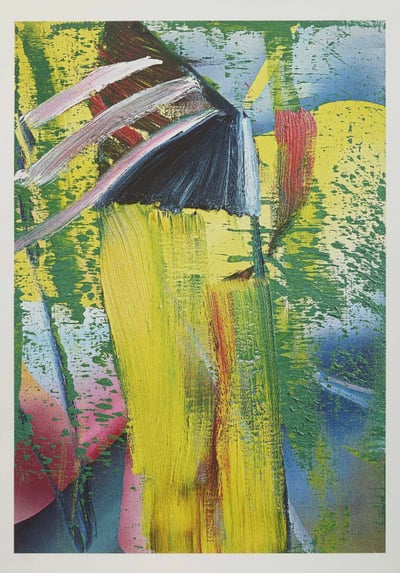
Gerhard Richter
Abstraktes Bild (Werk 563-1), 1984/2024
Limited Edition Print
Mixed Media
EUR 1,880
Gerhard Richter
Abstraktes Bild (Werk 522-3), 1983/2024
Limited Edition Print
Mixed Media
EUR 1,880

Javacheff Christo
Package on Wheelbarrow (project), 1963-2000
Drawing / Watercolor
Crayon
Inquire For Price
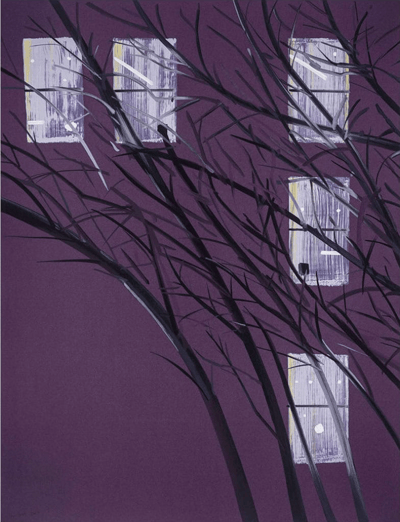
Alex Katz
Purple Wind, 2017
Limited Edition Print
Silkscreen
USD 17,750

Gerhard Richter
Roses, 1994 / 2005
Limited Edition Print
Offset Print
GBP 4,000

Gerhard Richter
Skull and Candle, 1995
Limited Edition Print
Offset Print
GBP 14,000 - 18,000
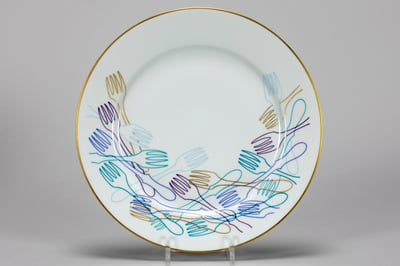
Fernandez Arman
Plate, 1992
Sculpture / Object
Plate
EUR 570
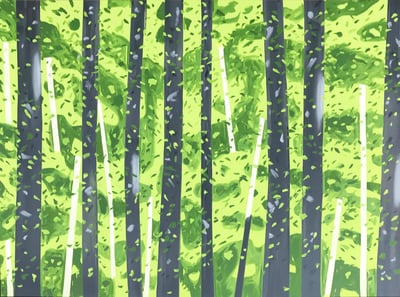
Alex Katz
10:30 AM, 2017
Limited Edition Print
Silkscreen
USD 45,000 - 50,000

Javacheff Christo
Wrapped Woman, 1973
Limited Edition Print
Screen-print
USD 2,690
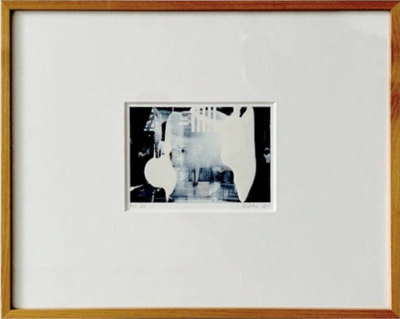
Gerhard Richter
MV. 20, 2011
Photography
Mixed Media
Inquire For Price
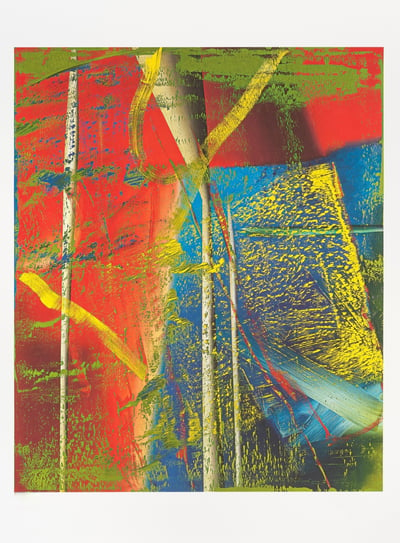
Gerhard Richter
Juno, 1983 (Werk 528), 1982/2025
Limited Edition Print
Mixed Media
EUR 1,880
Related Articles


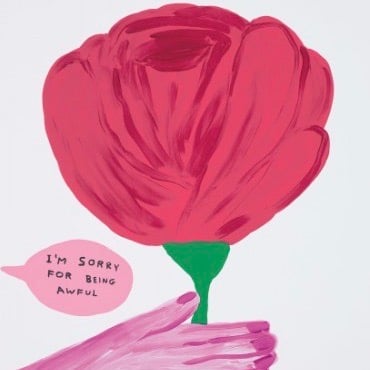
Naïve art describes a style of artwork that is simple and unsophisticated, often created by artists without formal training in an academy or art school. The style is characterized by a lack of advanced techniques, giving it a childlike appearance. Naïve art often features bright colors, simple shapes, and a straightforward approach to subject matter, reflecting the artist's untrained perspective.

Situationism is a psychological theory that gained prominence in 1968, following the publication of a monograph by Walter Mischel that sparked the Person-situation debate. This theory argues that behavior is primarily influenced by external situational factors rather than internal traits or motivations, challenging the ideas of trait theorists like Raymond B. Cattell and Hans Eysenck, who emphasized stable personality traits. It is important not to confuse this with the Situationist International movement, an artistic and political movement founded by Asger Jorn, which focused on the critique of modern consumer society and the influence of environments on human behavior.

Assemblage is an artistic process involving the combination of three-dimensional objects to create a work of art. The term, which originates from the French word for assembly, often involves the use of found objects like leaves, stones, discarded items, or recycled materials. These objects are arranged creatively to form a unique and often thought-provoking artwork.
Can't find your Answer?
Thank you! Your question has been sent — we'll get back to you shortly.
