
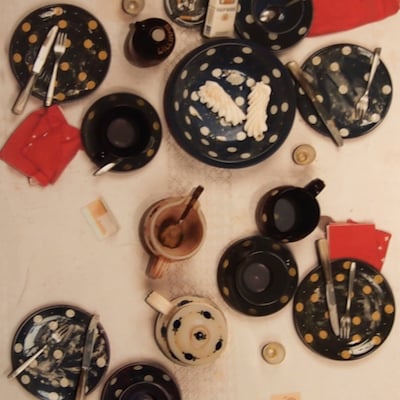
What is Nouveau Realism?
- Show All
- Established
- Discoveries
- Show All
Artworks Related to Nouveau Realism
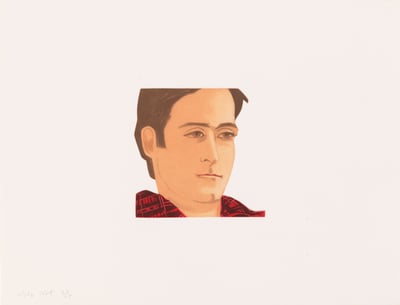
Alex Katz
Face of the Poet 3, 1978
Limited Edition Print
Aquatint
USD 2,700
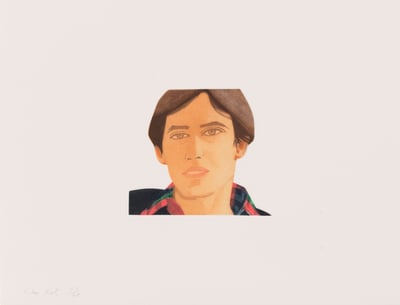
Alex Katz
Face of the Poet 2, 1978
Limited Edition Print
Aquatint
USD 2,700

Alex Katz
Face of the Poet 1, 1978
Limited Edition Print
Aquatint
USD 2,700
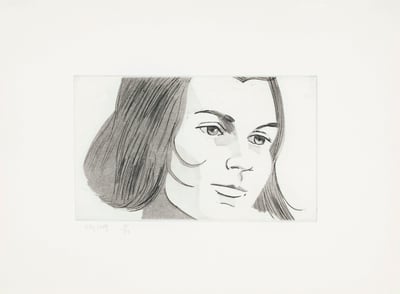
Alex Katz
June Ekman's Class 6, 1972
Limited Edition Print
Etching and Aquatint
USD 1,750
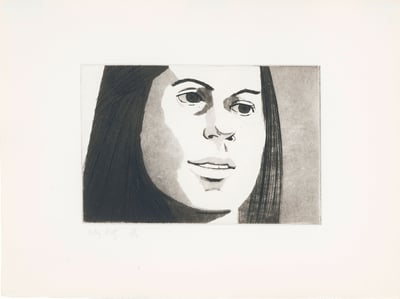
Alex Katz
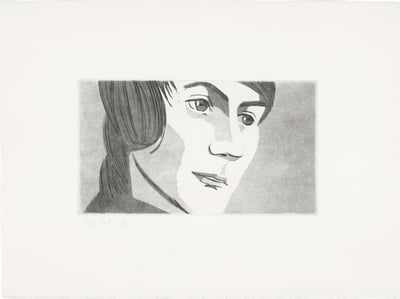
June Ekman's Class 5, 1972
Limited Edition Print
Etching and Aquatint
USD 1,750
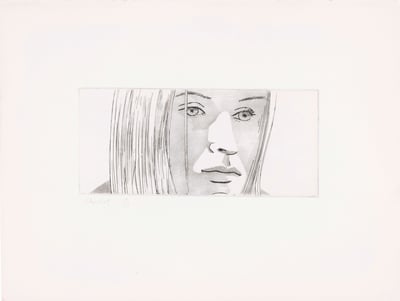
Alex Katz
June Ekman's Class 4, 1972
Limited Edition Print
Etching and Aquatint
USD 1,750
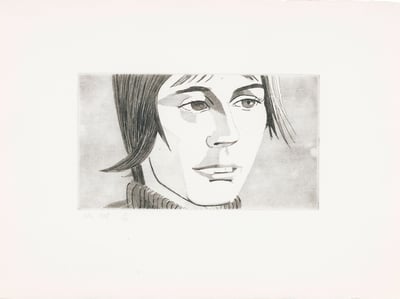
Alex Katz
June Ekman's Class 3, 1972
Limited Edition Print
Etching and Aquatint
USD 1,750
Alex Katz
June Ekman's Class 2, 1972
Limited Edition Print
Etching and Aquatint
USD 1,750

Alex Katz
June Ekman's Class 1, 1972
Limited Edition Print
Etching and Aquatint
USD 1,750
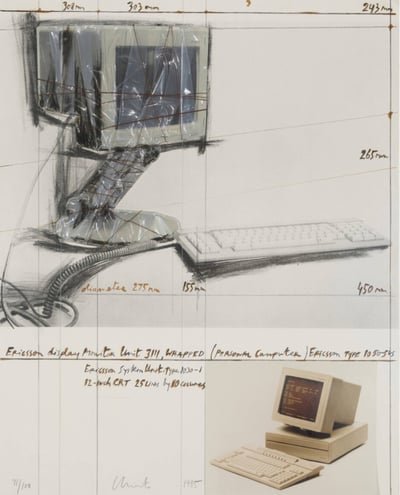
Javacheff Christo
Ericsson Display Monitor Unit 3111, Wrapped, Project for Personal Computer, 1985
Limited Edition Print
Lithograph
USD 12,000

Bernar Venet
Random Combination of Indeterminate Lines I, c. 1990
Limited Edition Print
Etching and Aquatint
EUR 4,500

Bernar Venet
Random Combination of Indeterminate Lines II, c. 1990
Limited Edition Print
Etching and Aquatint
EUR 4,500
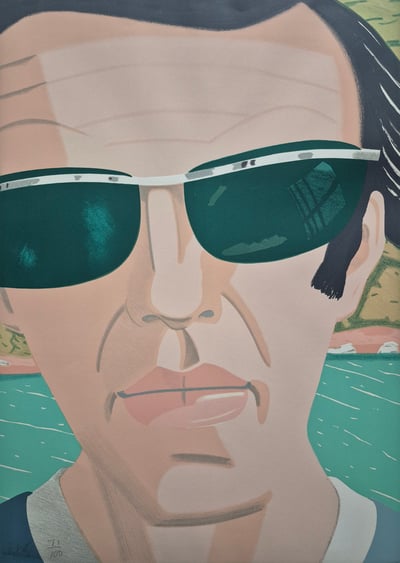
Alex Katz
Alex, 1970
Limited Edition Print
Lithograph
EUR 9,600

Jean-Charles Blais
Suite Nipon Pour CB, 1985
Limited Edition Print
Linocut
EUR 2,200

Fernandez Arman
Concerto de peinture, 1991
Sculpture / Object
Acrylic sculpture
EUR 5,000

Fernandez Arman
Accumulation de tubes de peinture, 1975
Sculpture / Object
Mixed Media
EUR 12,900
Related Articles


Screen printing is a technique where ink is transferred through a mesh onto a substrate, with areas blocked by a stencil to prevent ink from passing through. This method, also known as serigraphy or silkscreen printing, is commonly used to produce prints on posters, T-shirts, vinyl, stickers, wood, and other materials. The process is a type of stencil printing, allowing for vibrant, detailed designs on various surfaces.

Acrylic paint is a fast-drying paint made from pigment suspended in an acrylic polymer emulsion. It is water-soluble when wet but becomes water-resistant once dry. Acrylic paints offer unique characteristics that are not easily achieved with other media, allowing for effects similar to both oil and watercolor paintings while providing their own distinct qualities.
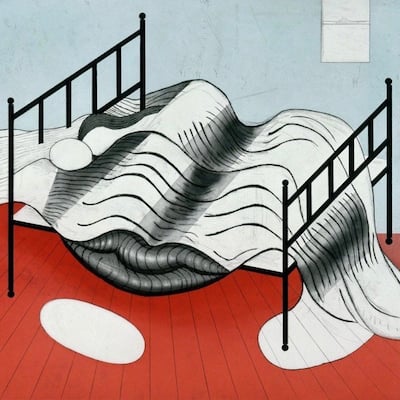
Postmodernism is an art movement that emerged as a reaction against authority and traditional boundaries, seeking to blur the lines between art and everyday life. It aimed to bridge the gap between the cultural elite and the general public by embracing eclectic mixtures of earlier conventions and styles. Postmodernist art often challenges established norms and celebrates diversity, irony, and pastiche, making it a movement that reflects the complexities of contemporary culture.
Can't find your Answer?
Thank you! Your question has been sent — we'll get back to you shortly.
