

What is Offset printing?
- Show All
- Established
- Discoveries
- Show All
Artworks Related to Offset Print

Takashi Murakami
Comprehending the 51st Dimension, 2014
Limited Edition Print
Offset Print
USD 4,450

Takashi Murakami
Nirvana, 2001
Limited Edition Print
Offset Print
USD 6,750

Takashi Murakami
Red Demon Blue Demon with 48 Arhats, 2013
Limited Edition Print
Offset Print
USD 5,500
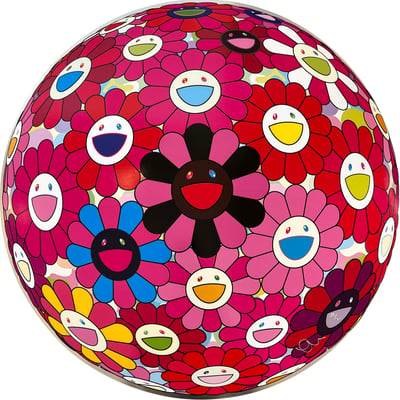
Takashi Murakami
There Is Nothing Eternal in this World. That Is Why You Are Beautiful., 2013
Limited Edition Print
Offset Print
USD 4,450
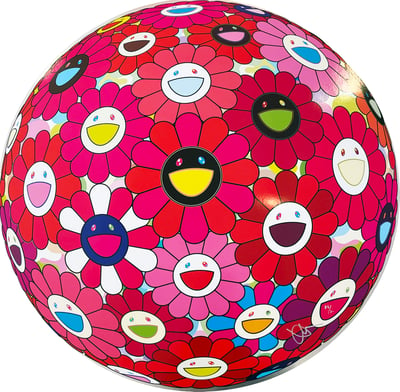
Takashi Murakami
Letters to Picasso, 2014
Limited Edition Print
Offset Print
USD 4,450

Takashi Murakami
Buddha - Road to Illumination
Limited Edition Print
Offset Print
USD 3,500

Takashi Murakami
Skulls & Flowers Red, 2013
Limited Edition Print
Offset Print
USD 3,750
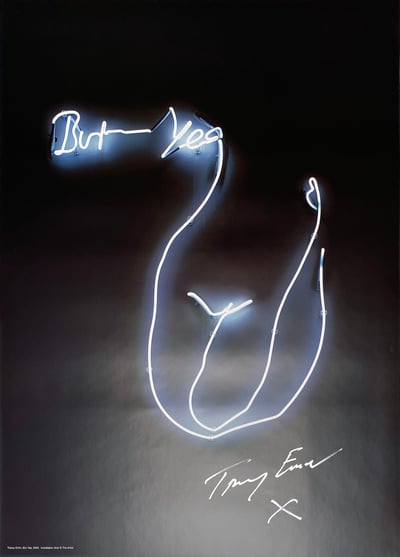
Tracey Emin
But Yea, 2015
Limited Edition Print
Offset Print
USD 2,600

Tracey Emin
If I Could Just Go Back & Start Again, 2005
Limited Edition Print
Offset Print
GBP 4,600

Tracey Emin
My Favourite Little Bird, 2010
Limited Edition Print
Offset Print
GBP 3,300

Tracey Emin
Love Is What You Want, 2011 / 2015
Limited Edition Print
Offset Print
GBP 4,200

Gerhard Richter
Tiger, 1965/2022
Limited Edition Print
Offset Print
GBP 3,180

Gerhard Richter
Motorboot, 1965/2022
Limited Edition Print
Offset Print
GBP 5,300

Takashi Murakami
A Little Flower Painting: Yellow, White, and Purple Flowers, 2019
Limited Edition Print
Offset Print
GBP 2,220

Weiwei Ai
History of Bombs, 2020
Limited Edition Print
Offset Print
GBP 2,450

Takashi Murakami
Doraemon, Let's Go Beyond These Dimensions on a Time Machine with Master Fujiko F., 2020
Limited Edition Print
Offset Print
GBP 1,600
Related Articles



Multimedia refers to an art technique that combines multiple forms of media, such as visual, audio, and digital elements, into a single composition. This is different from mixed media, which involves combining various traditional art materials within one artwork. Multimedia art often integrates technology, like video, sound, or interactive components, allowing artists to create dynamic and immersive experiences. Artists may develop new personal techniques by blending these diverse media, contributing to their unique artistic style.

Screen printing is a technique where ink is transferred through a mesh onto a substrate, with areas blocked by a stencil to prevent ink from passing through. This method, also known as serigraphy or silkscreen printing, is commonly used to produce prints on posters, T-shirts, vinyl, stickers, wood, and other materials. The process is a type of stencil printing, allowing for vibrant, detailed designs on various surfaces.
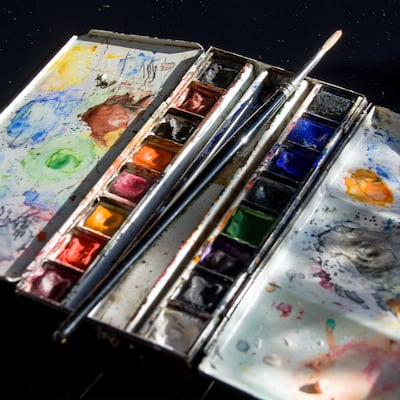
Watercolor refers to both the medium and the resulting artwork created using pigments suspended in a water-soluble vehicle. Watercolors are known for their luminous, transparent appearance because the pigments are applied in pure form with minimal fillers. By adding Chinese white, the watercolor can become opaque, resembling gouache.
Can't find your Answer?
Thank you! Your question has been sent — we'll get back to you shortly.
