
What is Op Art?
- Show All
- Established
- Discoveries
- Show All
Artworks Related to Op Art

Yaacov Agam
Yellow Haze, from The Evolution Suite I, C. 1995
Limited Edition Print
Mixed Media
EUR 2,400

Yaacov Agam
American flag, C. 1980
Sculpture / Object
Mixed Media
EUR 1,100
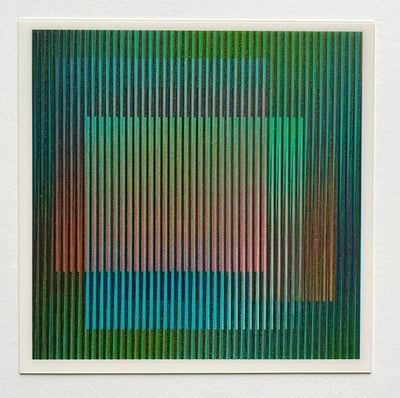
Carlos Cruz-Diez
Chromointerference La Difference signed card, 2011
Limited Edition Print
Mixed Media
EUR 1,500
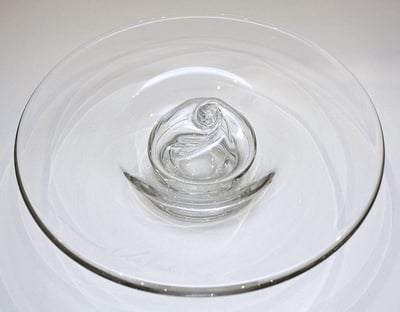
Gunther Uecker
Jahresteller, 1975
Sculpture / Object
Glass
EUR 1,620

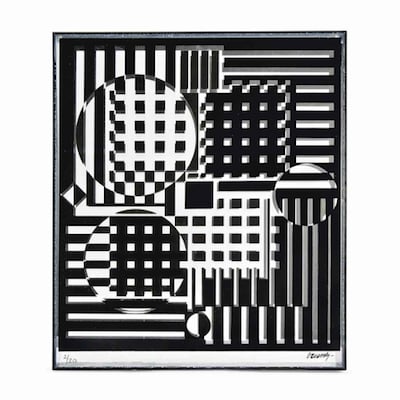
Victor Vasarely
Attika 3, 1990
Limited Edition Print
Screen-print
USD 1,250

Julio Le Parc
Primeras modulaciones 11, 2018
Limited Edition Print
Lithograph
Currently Not Available

Yaacov Agam
Composition
Limited Edition Print
Mixed Media
USD 1,300
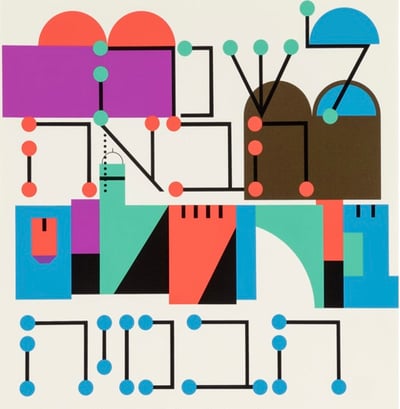
Yaacov Agam
Haggadah – Le Shana Haba’Ah (Next Year In Jerusalem), 1985
Limited Edition Print
Silkscreen
USD 450
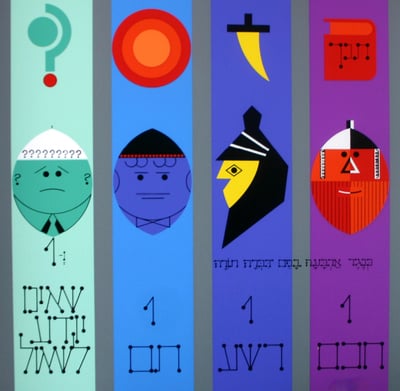
Yaacov Agam
Haggadah – Four Sons, 1985
Limited Edition Print
Silkscreen
USD 450
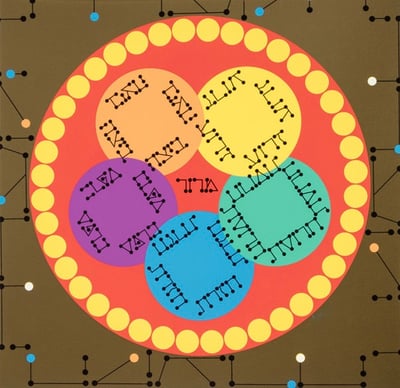
Yaacov Agam
Haggadah – Hakerara (The Seder Plate), 1985
Limited Edition Print
Silkscreen
USD 450
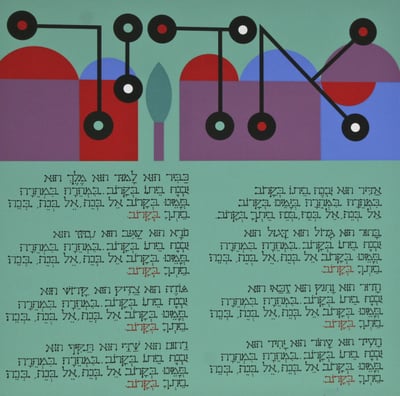
Yaacov Agam
Haggadah – Adir (Greatest), 1985
Limited Edition Print
Silkscreen
USD 450
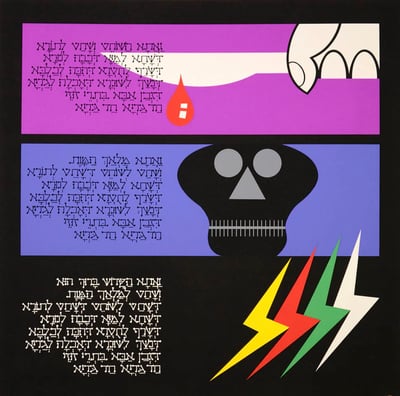
Yaacov Agam
Haggadah – Had Gadya #3 (The Little Lamb), 1985
Limited Edition Print
Silkscreen
USD 450
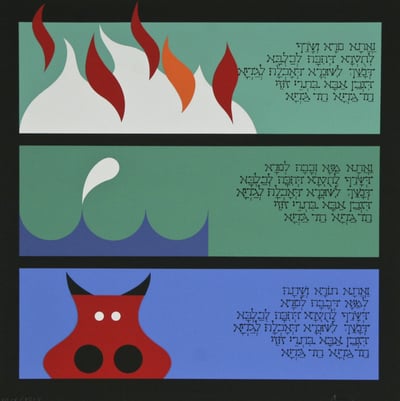
Yaacov Agam
Haggadah – Had Gadya #2 (The Little Lamb), 1985
Limited Edition Print
Silkscreen
USD 450
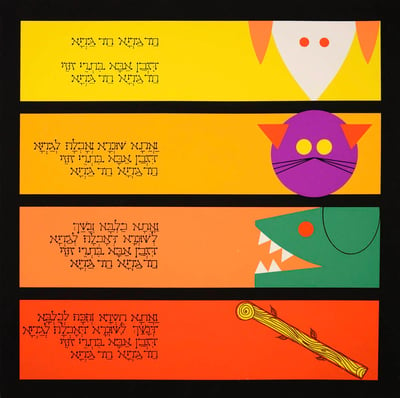
Yaacov Agam
Haggadah – Had Gadya #1 (The Little Lamb), 1985
Limited Edition Print
Silkscreen
USD 450
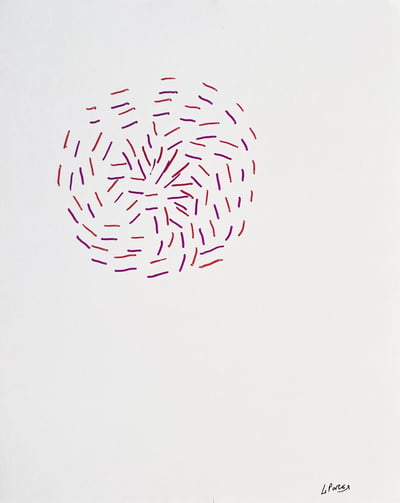
Julio Le Parc
Dessin Infinie 36, 2022
Drawing / Watercolor
Marker
EUR 2,000

Julio Le Parc
Dessin Infinie 30, 2022
Drawing / Watercolor
Marker
EUR 2,000
Related Articles

Generative art refers to art that is wholly or partly created through an autonomous system. This system can be independent or non-human, capable of determining features that would otherwise be decided by the artist. The generative system can act as the creator or as a collaborator with the artist. Generative art often refers to works generated algorithmically by computers, where the system plays a significant role in the creation process.

Situationism is a psychological theory that gained prominence in 1968, following the publication of a monograph by Walter Mischel that sparked the Person-situation debate. This theory argues that behavior is primarily influenced by external situational factors rather than internal traits or motivations, challenging the ideas of trait theorists like Raymond B. Cattell and Hans Eysenck, who emphasized stable personality traits. It is important not to confuse this with the Situationist International movement, an artistic and political movement founded by Asger Jorn, which focused on the critique of modern consumer society and the influence of environments on human behavior.

Nouveau Réalisme is an artistic movement founded in 1960 by art critic Pierre Restany and painter Yves Klein during a collective exhibition at a gallery in Milan. Restany wrote the original manifesto in April 1960, proclaiming the movement. In October of that year, nine artists, including Martial Raysse, Yves Klein, Daniel Spoerri, Jean Tinguely, Arman, Pierre Restany, and three Ultra-Lettrists—Jacques de la Villeglé, François Dufrêne, and Raymond Hains—signed the declaration. In 1961, the movement expanded to include Mimmo Rotella, Niki de Saint Phalle, Gérard Deschamps, and César. The movement emphasized a return to reality in art, often incorporating everyday objects and exploring the boundaries between art and life.
Can't find your Answer?
Thank you! Your question has been sent — we'll get back to you shortly.
