
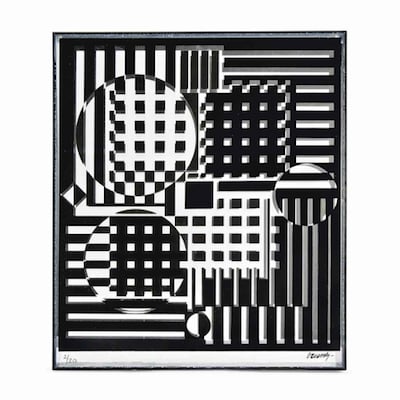
What is Op Art?
- Show All
- Established
- Discoveries
- Show All
Artworks Related to Op Art

Richard Anuszkiewicz
Untitled OP Art Cube, 1968
Sculpture / Object
Mixed Media
USD 2,990
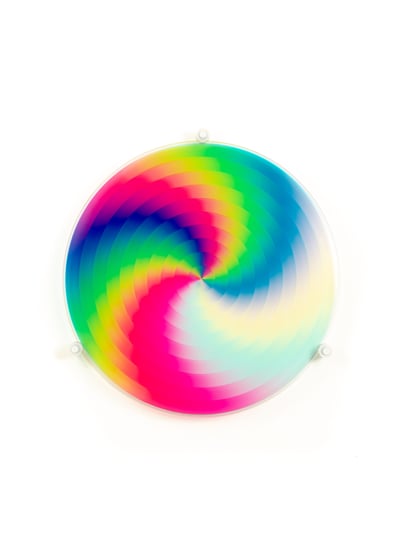
Felipe Pantone
Substractive Variability Compact, 2022
Sculpture / Object
Acrylic sculpture
EUR 4,700
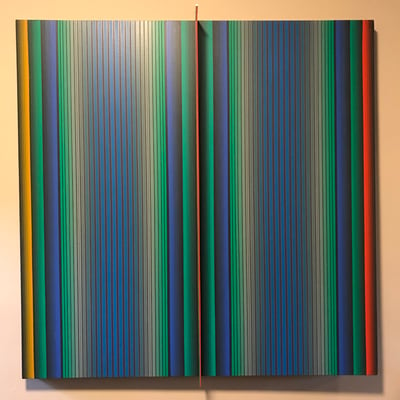
Dario Perez-Flores
Prochromatique 1241, 2020
Painting
Mixed Media
EUR 27,000
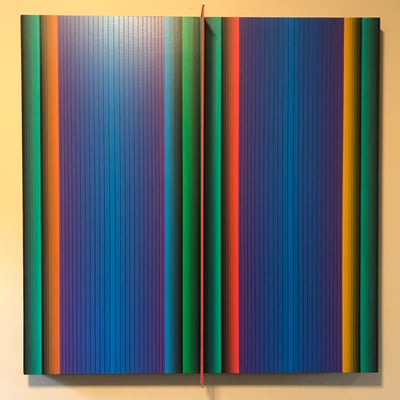
Dario Perez-Flores
Prochromatique 1240, 2022
Painting
Mixed Media
EUR 27,000
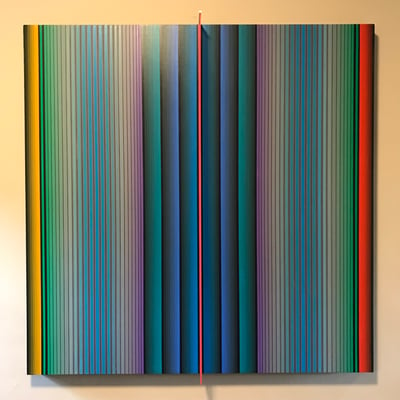
Dario Perez-Flores
Prochromatique 1138, 2020
Painting
Mixed Media
EUR 27,000

Julio Le Parc
Larga marcha, 4 bifurcaciones 14, 2021
Limited Edition Print
Lithograph
EUR 4,000

Julio Le Parc
Larga marcha, 4 bifurcaciones, 13, 2021
Limited Edition Print
Lithograph
Currently Not Available

Julio Le Parc
Larga marcha, 4 bifurcaciones 4, 2021
Limited Edition Print
Lithograph
EUR 4,000
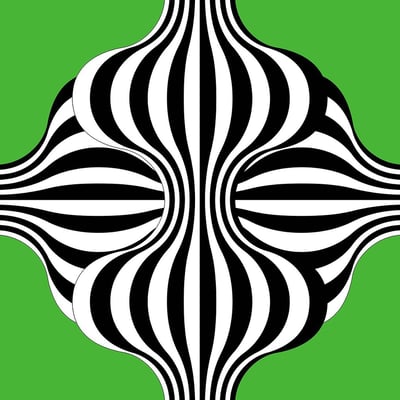
Julio Le Parc
Larga marcha, 4 bifurcaciones 3, 2021
Limited Edition Print
Lithograph
EUR 4,000
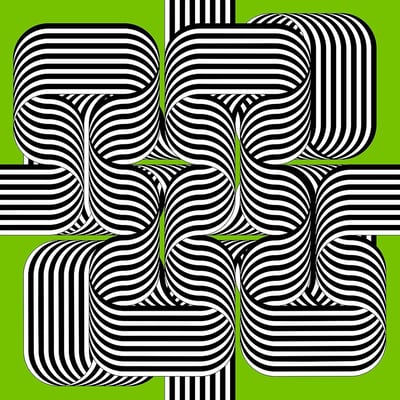
Julio Le Parc
Larga marcha, 4 bifurcaciones 2, 2021
Limited Edition Print
Lithograph
Currently Not Available
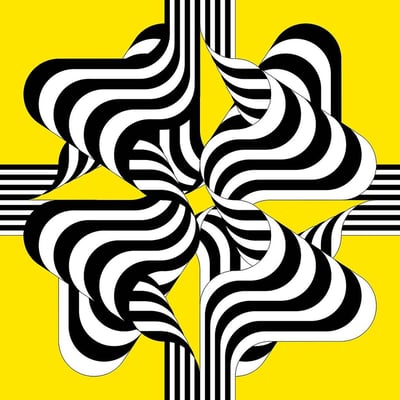
Julio Le Parc
Larga marcha, 4 bifurcaciones, 1, 2021
Limited Edition Print
Lithograph
Currently Not Available

Julio Le Parc
Oeuvre Infinie, 2021
Limited Edition Print
Digital Print on paper
EUR 800

Marina Apollonio
Dinamica Circolare 6Z+R, 1965-2021
Sculpture / Object
Mixed Media
EUR 3,000
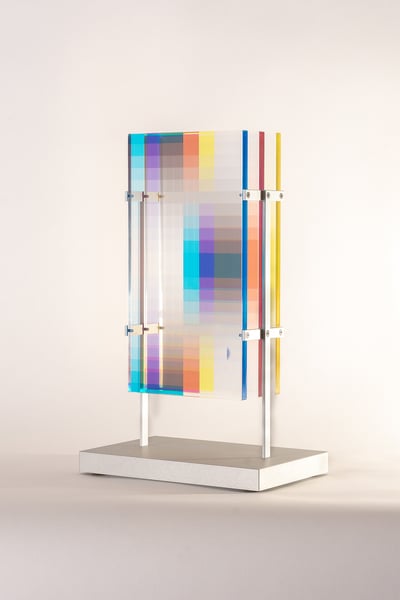
Felipe Pantone
Substractive Variability Manipulable IV, 2021
Sculpture / Object
Mixed Media
EUR 3,800

Yaacov Agam
Star of David - Abstract Illusionism, 1979
Limited Edition Print
Screen-print
EUR 1,400

Yaacov Agam
River Pebbel, Ca. 1970
Sculpture / Object
Mixed Media
EUR 1,900
Related Articles

ZERO was an art movement founded by Otto Piene and Heinz Mack, aiming to develop into a large international and cross-border movement. The name ZERO originated from a magazine founded by Heinz Mack in 1957, which became a platform for the group's ideas. The magazine was published for several years before ceasing in 1967. The ZERO movement sought to create a new beginning in art, emphasizing light, space, and movement, and became influential in post-war European art.
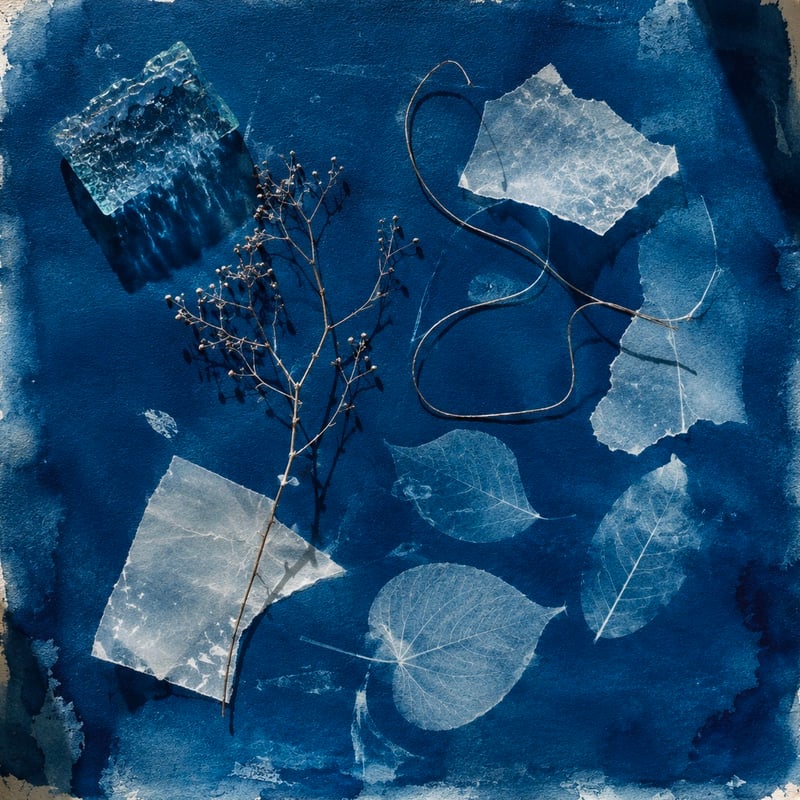
Cyanotype is a photographic technique that creates images in shades of blue, commonly known as blueprints. It involves coating a surface with a mixture of two chemicals, typically ferric ammonium citrate and potassium ferricyanide. When exposed to UV light and then washed in water, the process produces white images on a deep blue background.

Lowbrow is a derogatory term that refers to certain forms of popular culture. It describes an art movement that began in Los Angeles in the 1970s. The term lowbrow originally refers to a person with little intellectual or refined taste. The Lowbrow art movement, also known as Pop Surrealism, blends elements of underground comics, punk music, hot rod culture, and other subcultures, often with a sense of humor and irony.
Can't find your Answer?
Thank you! Your question has been sent — we'll get back to you shortly.
