
What is Op Art?
- Show All
- Established
- Discoveries
- Show All
Artworks Related to Op Art

Rafael Jesus Soto
Dos Cuadraditos, 1972
Sculpture / Object
Object
Currently Not Available

Carlos Cruz-Diez
Stèle horizontale 9, 2008
Ceramics
Ceramic
EUR 12,000
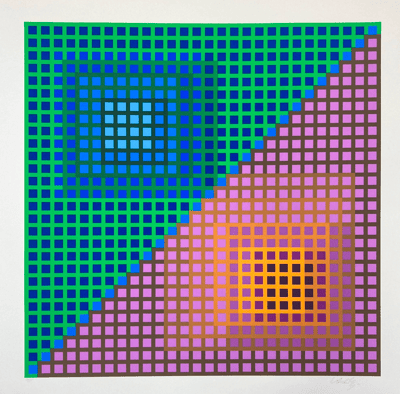
Victor Vasarely
Lum, 1982
Limited Edition Print
Lithograph
USD 1,250

Marina Apollonio
Dinamica Circolare Ellisse 6Z, 1969-2022
Sculpture / Object
Wood
EUR 1,500

Francois Morellet
Trois cubes imbriqués, 1977
Sculpture / Object
Metal
EUR 6,990

Rafael Jesus Soto
Caroni, 1971
Limited Edition Print
Silkscreen
EUR 1,270

Yaacov Agam
Message of peace, 1988
Limited Edition Print
Silkscreen
Currently Not Available

Julio Le Parc
Damier, 2022
Limited Edition Print
Digital Print on paper
EUR 1,000

Victor Vasarely
Diorre, 1980s
Limited Edition Print
Silkscreen
Currently Not Available
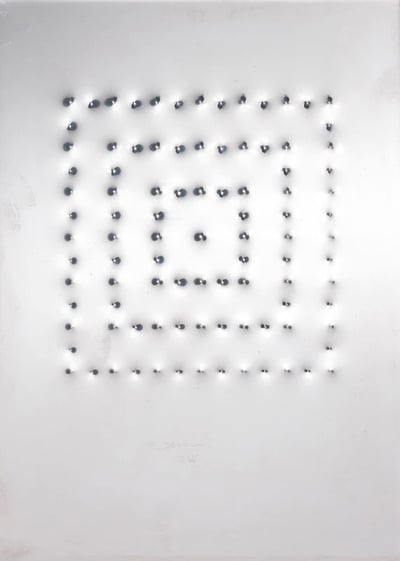
Enrico Castellani
Estroflesssso, 2008
Sculpture / Object
Metal
Currently Not Available

Enrico Castellani
Superficie (Vanilla/Gold), 1968
Limited Edition Print
Plastic
EUR 4,200

Francois Morellet
Untitled (Intersecting Lines), 1975
Limited Edition Print
Lithograph
EUR 1,375

Francois Morellet
Untitled (black Grid Pattern), 1975
Limited Edition Print
Lithograph
EUR 1,375
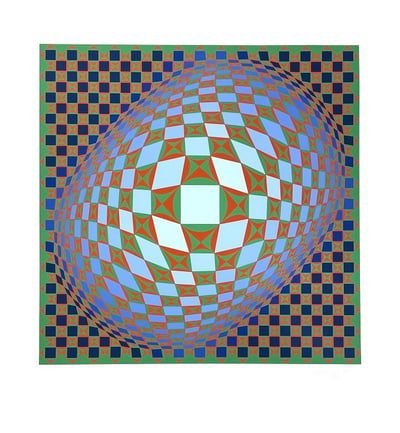
Victor Vasarely
Vilag
Limited Edition Print
Screen-print
EUR 2,300
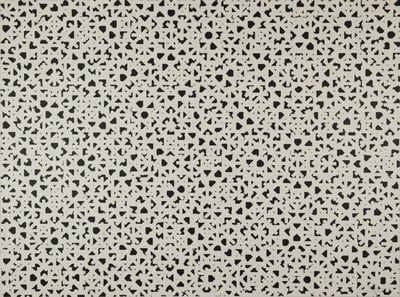
Francois Morellet
Trames
Limited Edition Print
Screen-print
EUR 1,400

Victor Vasarely
Omega V, 1979
Limited Edition Print
Serigraph
Inquire For Price
Related Articles
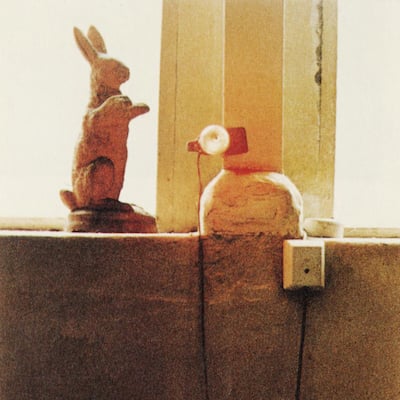
Derived from the Latin word meaning flow, Fluxus is an international movement of designers, composers, and artists known for blending various artistic disciplines and media during the 1960s. The movement remains active in visual art, performance, design, architecture, urban planning, and other creative fields. Fluxus is sometimes referred to as nter-media and continues to play a pivotal role in expanding the definitions of what art can be.

Orphism is an abstract style of painting influenced by Cubism, developed by Sonia and Robert Delaunay. The term was coined around 1912 by French poet Guillaume Apollinaire to differentiate the Delaunays' work from Cubism, emphasizing their focus on vibrant color and light. The name Orphism is inspired by the Greek musician Orpheus, symbolizing the movement's lyrical and harmonious qualities.
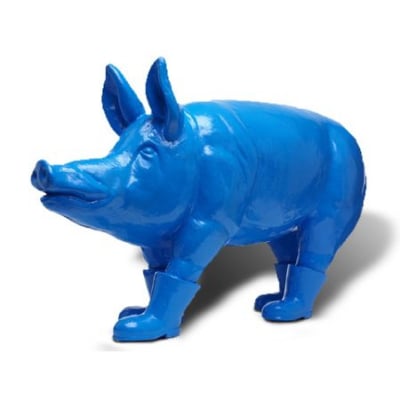
Environmental art is a collective term that refers to a wide range of artistic practices and works that engage with historical and ecological themes. The term often encompasses ecological concerns, although it is not exclusively defined by them. Environmental art acknowledges and appreciates the early history of the environmental art movement, including works with activist themes and those celebrating the connection between nature and the artist through the use of natural materials.
Can't find your Answer?
Thank you! Your question has been sent — we'll get back to you shortly.
