
What is Op Art?
- Show All
- Established
- Discoveries
- Show All
Artworks Related to Op Art

Victor Vasarely
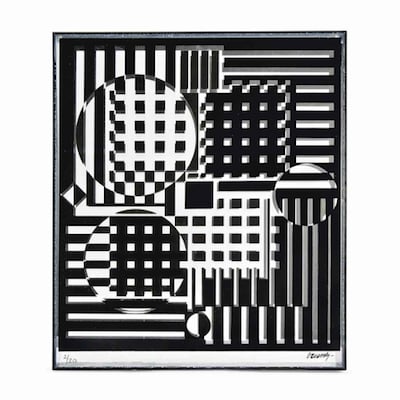
VY-29-C, 1973
Limited Edition Print
Serigraph
EUR 2,200

Victor Vasarely
Firka
Limited Edition Print
Silkscreen
EUR 1,700

Victor Vasarely
Gordes Nives, 1971
Limited Edition Print
Lithograph
EUR 1,400
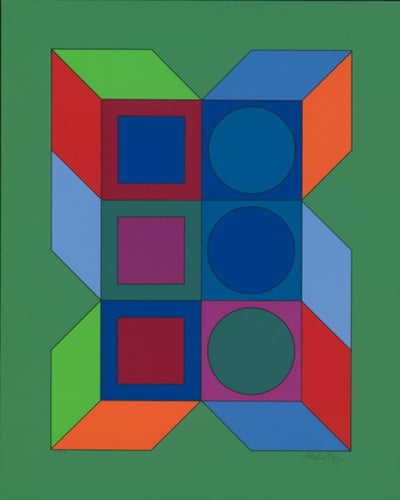
Victor Vasarely
XLV
Limited Edition Print
Silkscreen
EUR 2,200
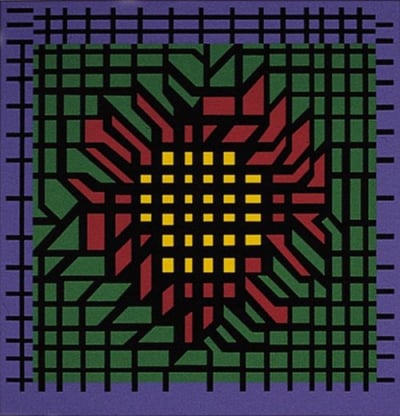
Victor Vasarely
Kat-Zag, 1980
Limited Edition Print
Lithograph
EUR 1,980
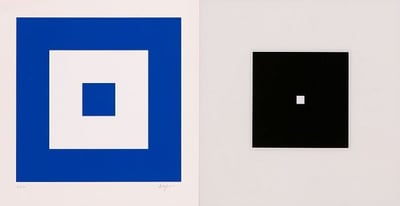
Yaacov Agam
Big Bang Blue
Limited Edition Print
Silkscreen
EUR 980
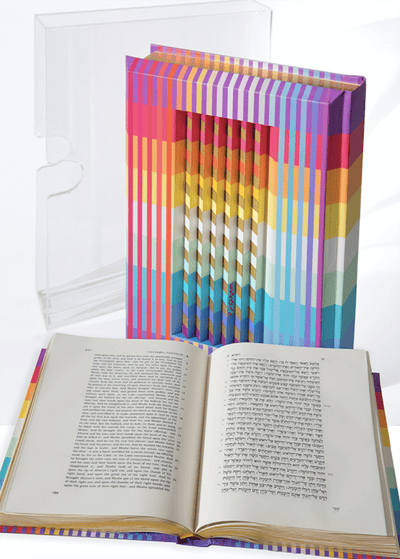
Yaacov Agam
Rainbow Torah, 1992
Sculpture / Object
Plastic
Currently Not Available

Victor Vasarely
Pleionne, 1990
Sculpture / Object
Acrylic sculpture
Currently Not Available

Dario Perez-Flores
Prochromatique YC2, 2013
Painting
Acrylic on canvas
EUR 3,500

Dario Perez-Flores
Relief Prochromatique 2, 2015
Painting
Mixed Media
EUR 3,500

Dario Perez-Flores
Relief Prochromatique 1, 2015
Limited Edition Print
Mixed Media
EUR 3,500

Dario Perez-Flores
Prochromatique Tryptich, 2015
Limited Edition Print
Lithograph
EUR 250

Dario Perez-Flores
Prochromatique 2, 2010
Sculpture / Object
Mixed Media
EUR 2,500

Carlos Cruz-Diez
Céramique # 5, 2008
Ceramics
Ceramic
EUR 12,000

Francois Morellet
Chartres - vert orange, 1973
Limited Edition Print
Silkscreen
EUR 1,700

Francois Morellet
Chartres bleu rouge, 1973
Limited Edition Print
Silkscreen
EUR 1,700
Related Articles

Gestural art is a term that describes painting with freely sweeping brushstrokes. The primary goal of gestural art is to allow the artist to physically express emotional impulses. The varied, yet expressive paint marks are intended to convey the artist's inner thoughts and emotions, which viewers are believed to understand through the dynamic and spontaneous application of paint.

The New Leipzig School is a movement in modern German painting that represents the third generation of artists associated with the Hochschule für Grafik und Buchkunst Leipzig. This movement reflects the post-reunification landscape of Germany. Unlike the first generation of Leipzig painters, the third generation does not have clear, defined characteristics or messages. Instead, their work blends figurative and abstract elements, placing a strong emphasis on creativity and experimentation.
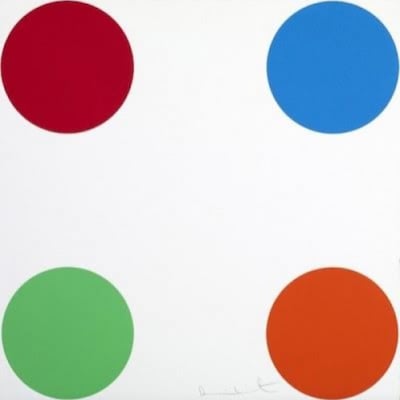
Young British Artists (YBAs), also known as Britart or Brit artists, refers to a group of artists who began exhibiting together in London in 1988. Most of them graduated from the BA Fine Arts course at Goldsmiths in the late 1980s. The YBAs are known for their wild lifestyles, use of unconventional materials, and a combination of entrepreneurial and oppositional attitudes. They dominated the British art scene in the 1990s and gained significant media attention. Many of these artists were initially supported and collected by Charles Saatchi, a key figure in their rise to prominence.
Can't find your Answer?
Thank you! Your question has been sent — we'll get back to you shortly.
