

What is pop-art?
- Show All
- Established
- Discoveries
- Show All
Artworks Related to Pop art
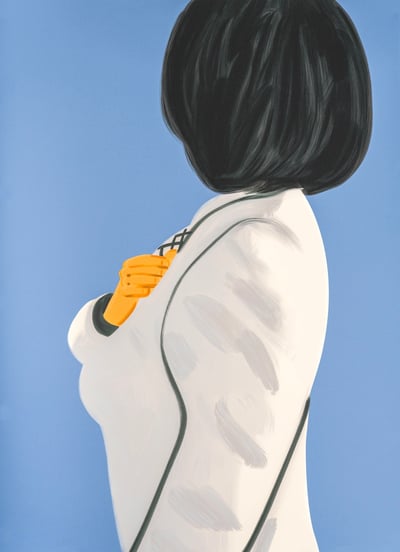
Alex Katz
Vivien in White Coat, 2021
Limited Edition Print
Silkscreen
USD 21,500

Claes Oldenburg
Centennial Print for the Judson Memorial Church, 1990
Limited Edition Print
Screen-print
USD 1,150
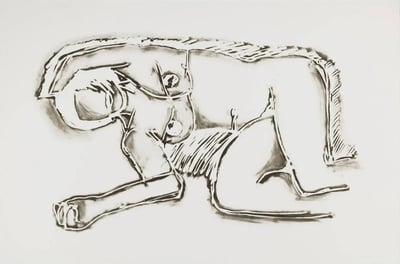
Tom Wesselmann
Monica Lying on Her Side with Scribble, 1990
Limited Edition Print
Lithograph
Inquire For Price
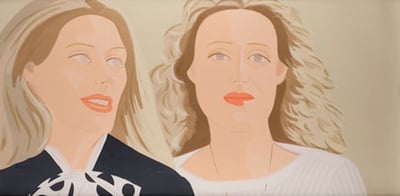
Alex Katz
Julia and Alexandra, 1983
Limited Edition Print
Screen-print
USD 16,750

Miles Aldridge
Venus Etcetera (after Velázquez), 2022
Limited Edition Print
Screen-print
Currently Not Available

Miles Aldridge
Venus Etcetera (after Botticelli), 2022
Limited Edition Print
Screen-print
EUR 15,000

Miles Aldridge
Venus Etcetera (after Veronese), 2022
Limited Edition Print
Screen-print
Currently Not Available
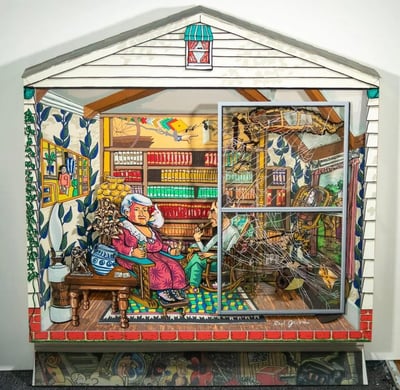
Red Grooms
Katherine Marcel and the Bride, 1997
Sculpture / Object
Mixed Media
USD 6,300
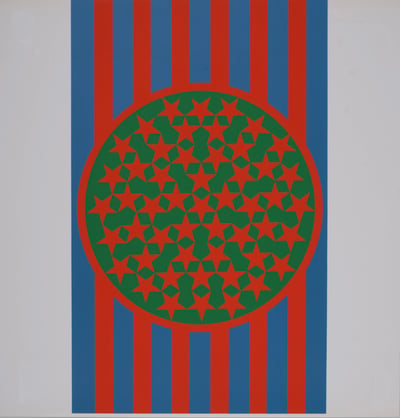
Robert Indiana
Flag, 1968
Limited Edition Print
Silkscreen
USD 900
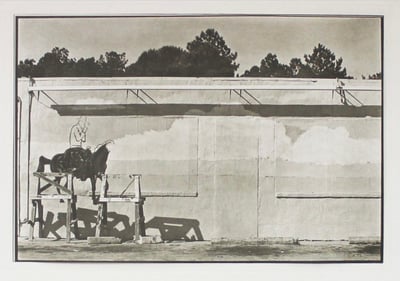
Robert Rauschenberg
Plate from Photogravures Suite 1, 1983
Limited Edition Print
Photogravure
Currently Not Available
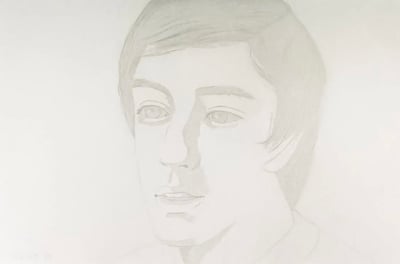
Alex Katz
Vincent with Open Mouth, 1974
Limited Edition Print
Etching and Aquatint
Inquire For Price
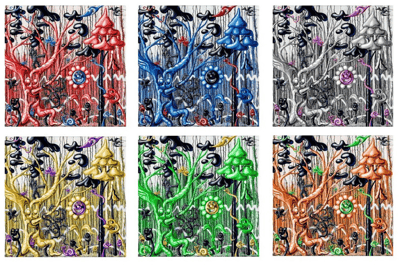
Kenny Scharf
Furungle (Suite of 6), 2021
Limited Edition Print
Mixed Media
USD 29,000
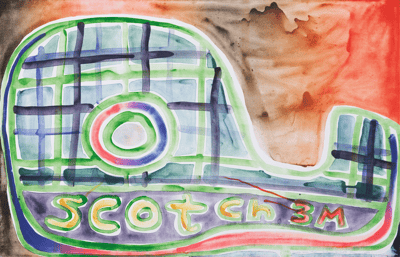
Katherine Bernhardt
Scotch Magic Tape, 2021
Limited Edition Print
Monotype
Currently Not Available

Manolo Valdés
Retratro de mujer con mantilla, 1992
Limited Edition Print
Mixed Media
Currently Not Available

Manolo Valdés
Eva III, 1993
Limited Edition Print
Mixed Media
Currently Not Available
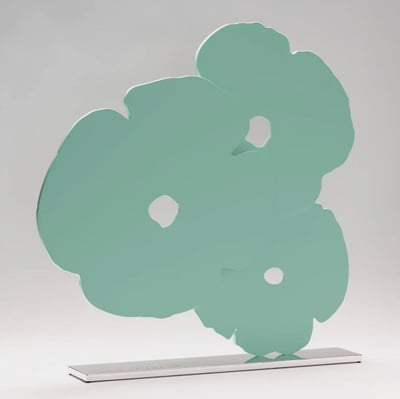
Donald Sultan
Aqua Poppies, 2021
Sculpture / Object
Mixed Media
USD 17,400
Related Articles
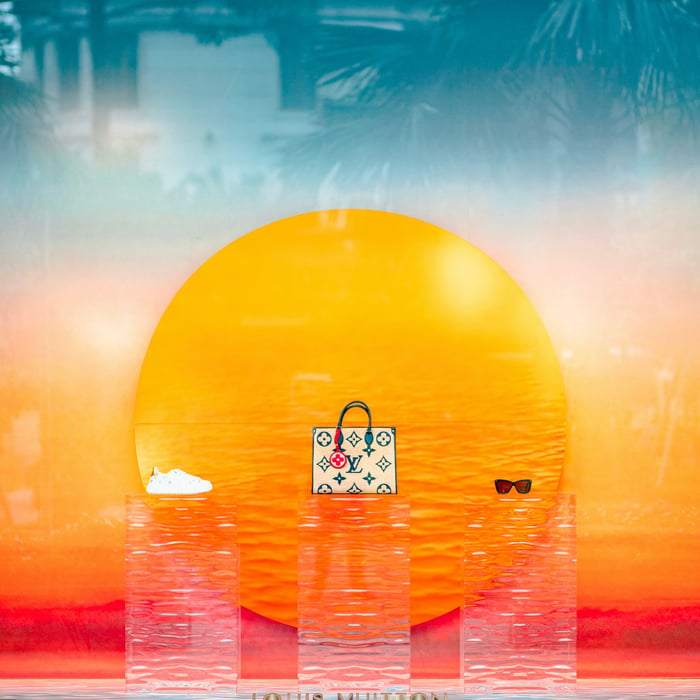



The Düsseldorf School of Photography refers to a group of photographers who studied under Bernd and Hilla Becher at the Kunstakademie Düsseldorf during the 1970s. This group was known for its devotion to the black-and-white industrial images characteristic of the German tradition known as New Objectivity. The photographers focused on precise, methodical documentation of industrial structures, often using a detached and objective approach.

Photography is the process of creating an image on light sensitive materials. The image is produced by using a camera, which has a lens that focuses on light either reflected or emitted from an object. These visible wavelengths are used to reproduce the image seen.
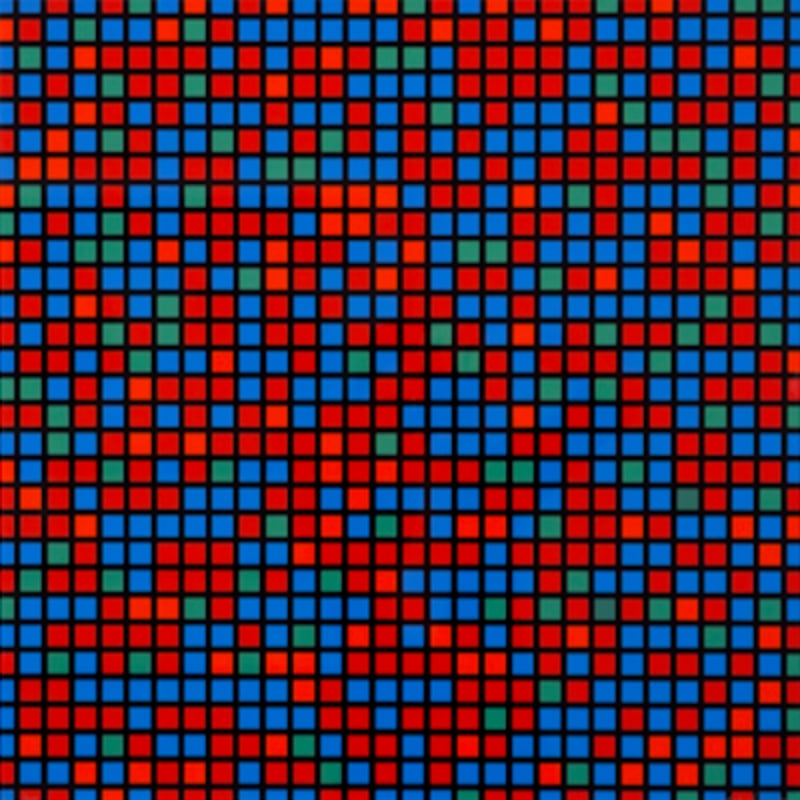
Geometric abstraction is a form of abstract art that uses geometric shapes arranged in a non-illusionistic space (though not always) and combined into non-representational (non-objective) compositions. Based on years of artistic research, some artists have proposed that geometric abstraction offers a solution to modern challenges by rejecting traditional illusionistic practices in favor of clarity and simplicity.
Can't find your Answer?
Thank you! Your question has been sent — we'll get back to you shortly.
