

What is pop-art?
- Show All
- Established
- Discoveries
- Show All
Artworks Related to Pop art

Christopher Wool
Untitled I, 2016
Limited Edition Print
Screen-print
EUR 2,250

Richard Orlinski
Born Wild Crocodile (Black), 2006
Sculpture / Object
Resin
EUR 9,560

Ugo Rondinone
Window I
Limited Edition Print
Lithograph
Currently Not Available
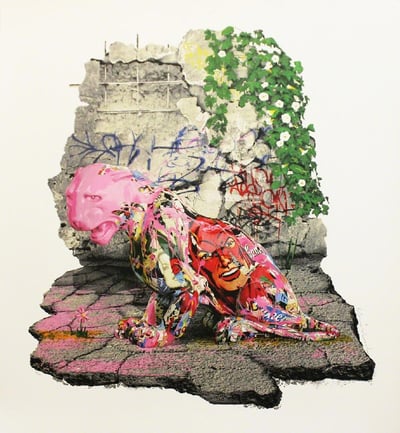
Mr. Brainwash
Nepal Relief Fundraiser, 2015
Limited Edition Print
Screen-print
Inquire For Price
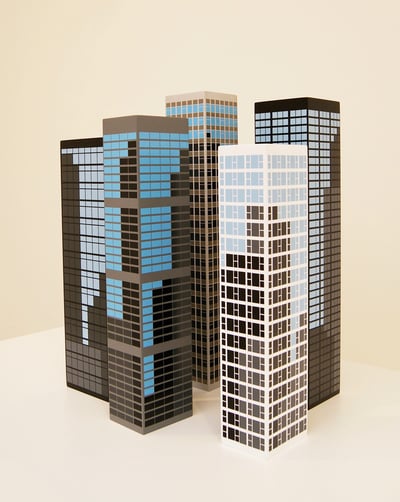
Julian Opie
modern towers, 2018
Sculpture / Object
Wood
EUR 11,000

Paul Van Hoeydonck
Suite Olympic Centennial, 1991
Limited Edition Print
Serigraph
Currently Not Available

Eduardo Paolozzi
Central Park East, 1972
Limited Edition Print
Lithograph
Currently Not Available

James Rosenquist
Spring Cheer, 1st. State , 1978
Limited Edition Print
Etching and Aquatint
USD 4,250

James Rosenquist
Spokes , 1977
Limited Edition Print
Etching and Aquatint
USD 4,390

James Rosenquist
Hot Lake, 1978
Limited Edition Print
Etching and Aquatint
USD 4,390
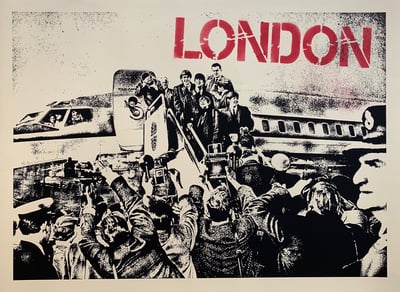
Mr. Brainwash
A good day's flight, 2009
Limited Edition Print
Lithograph
USD 4,850

Jim Dine
Olympic Robe , 1988
Limited Edition Print
Lithograph
USD 7,500

Allan D'Arcangelo
Beginning, 1975
Limited Edition Print
Lithograph
Inquire For Price
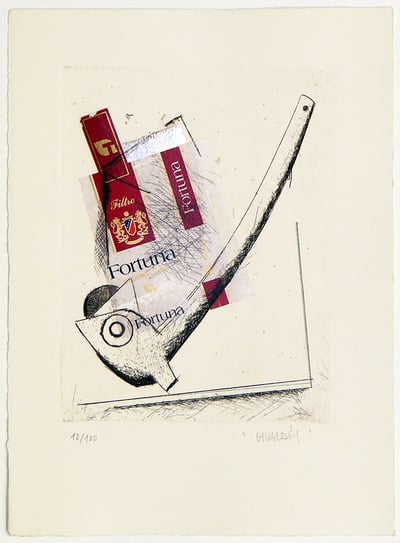
Manolo Valdés
Still Life III, 1986
Limited Edition Print
Etching
EUR 1,550
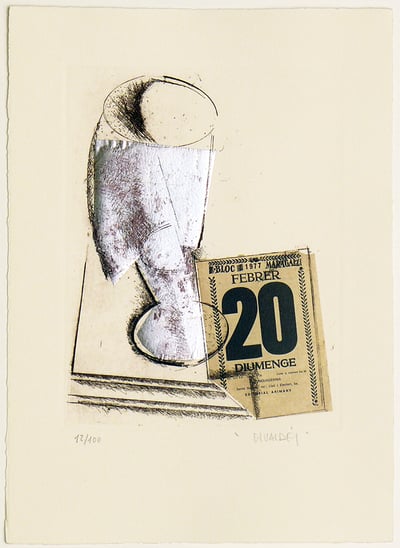
Manolo Valdés
Still Life V, 1986
Limited Edition Print
Etching
EUR 1,550

Manolo Valdés
Still Life VI, 1986
Limited Edition Print
Etching
EUR 1,570
Related Articles


Matter painting is a technique that involves blending thick impasto paints with materials like cement, mud, sand, or shells. The term first emerged in the 1950s to describe the works of Belgian and Dutch painters who explored the physical properties of painting materials and the different ways paint could be manipulated. This approach emphasizes texture and the tactile qualities of the surface, creating a sculptural effect on the canvas.
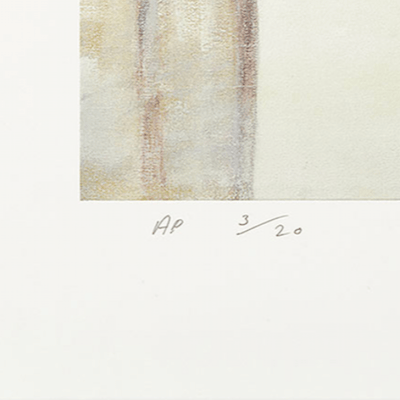
An artist proof traditionally refers to a print impression taken during the printing process to evaluate the current state of the artwork as the artist works on the plate. These proofs often show incomplete images and are sometimes called trial impressions or working proofs. However, in modern practice, an artist proof typically refers to an impression of the finished work that is identical to the numbered edition copies but is set aside for the artist's personal use. Artist proofs are usually marked A.P. and may be considered more valuable by collectors due to their limited availability.

Assemblage is an artistic process involving the combination of three-dimensional objects to create a work of art. The term, which originates from the French word for assembly, often involves the use of found objects like leaves, stones, discarded items, or recycled materials. These objects are arranged creatively to form a unique and often thought-provoking artwork.
Can't find your Answer?
Thank you! Your question has been sent — we'll get back to you shortly.
