

What is pop-art?
- Show All
- Established
- Discoveries
- Show All
Artworks Related to Pop art
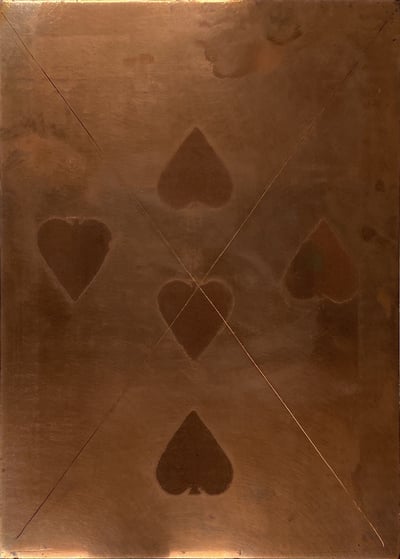
Donald Sultan
Playing Cards (Five of Hearts Plate), 1990
Limited Edition Print
Aquatint
USD 14,250
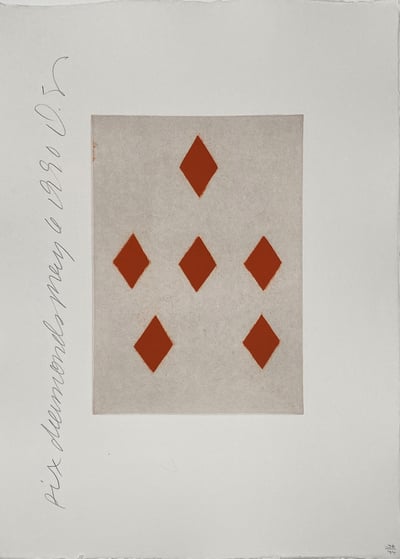
Donald Sultan
Playing Cards (Six of Diamonds), 1990
Limited Edition Print
Aquatint
USD 1,450
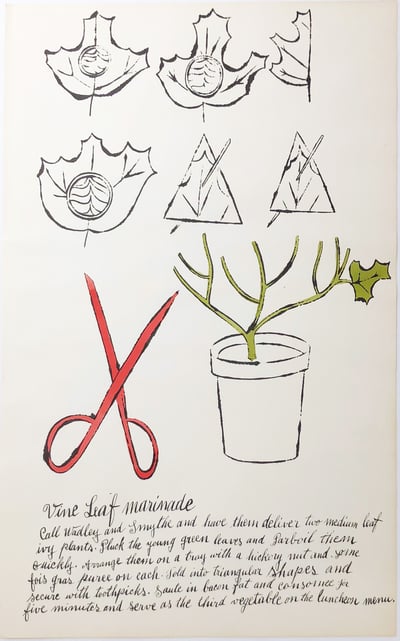
Andy Warhol
Wild Raspberries IV.141A, 1959
Limited Edition Print
Offset Print
USD 4,850
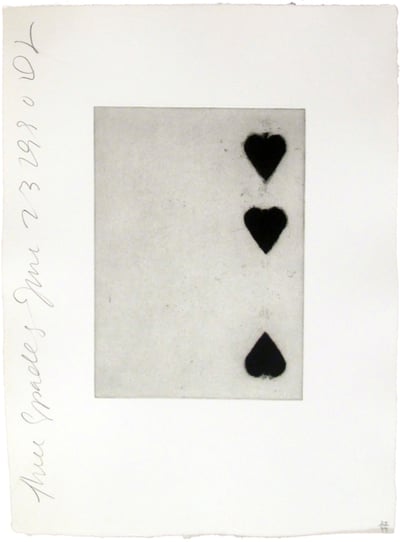
Donald Sultan
Playing Cards (Three of Spades), 1990
Limited Edition Print
Aquatint
USD 1,100

Donald Sultan
Silver Flowers, March 5, 2011, 2011
Limited Edition Print
Silkscreen
USD 5,500
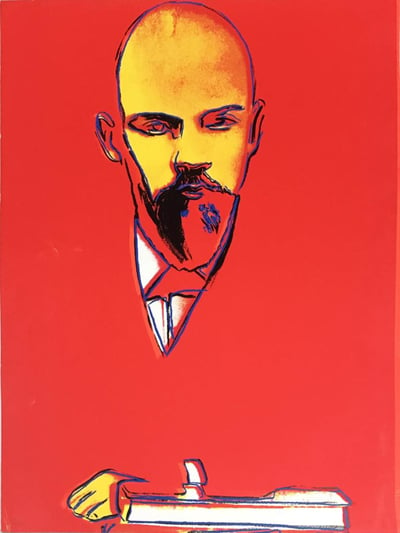
Andy Warhol
Lenin (Red) II.403, 1987
Limited Edition Print
Screen-print
USD 50,000 - 60,000

Andy Warhol
Wild Raspberries IV.134A, 1959
Limited Edition Print
Offset Print
USD 50,000 - 60,000

Donald Sultan
Lantern Flower, 2012
Limited Edition Print
Watercolor
USD 14,250
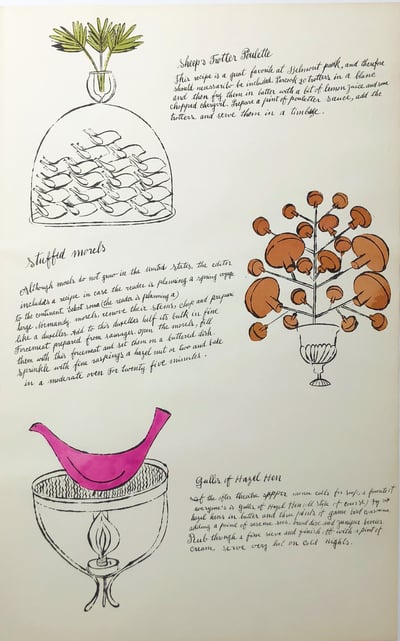
Andy Warhol
Wild Raspberries IV.142A, 1959
Limited Edition Print
Offset Print
USD 8,900
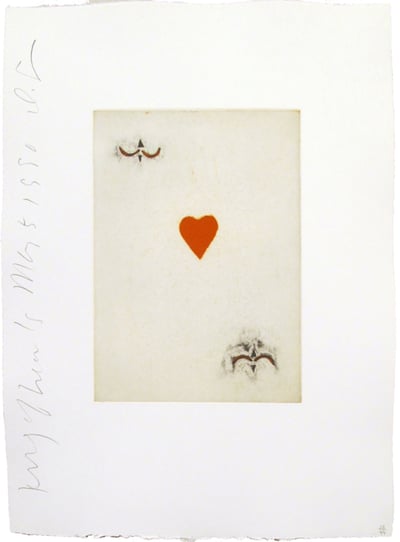
Donald Sultan
Playing Cards (King of Hearts), 1990
Limited Edition Print
Aquatint
USD 1,950

Donald Sultan
Gold Flowers, March 3, 2011, 2011
Limited Edition Print
Silkscreen
USD 5,500
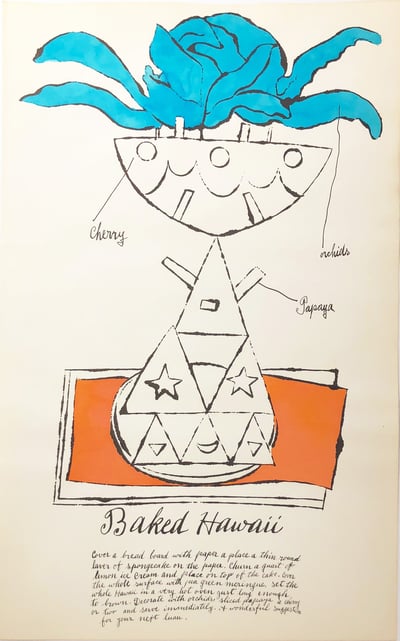
Andy Warhol
Wild Raspberries IV.137A, 1959
Limited Edition Print
Offset Print
USD 8,900
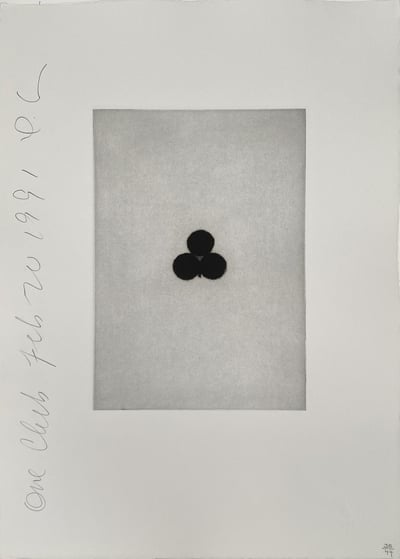
Donald Sultan
Playing Card (One of Clubs), 1990
Limited Edition Print
Aquatint
USD 1,100
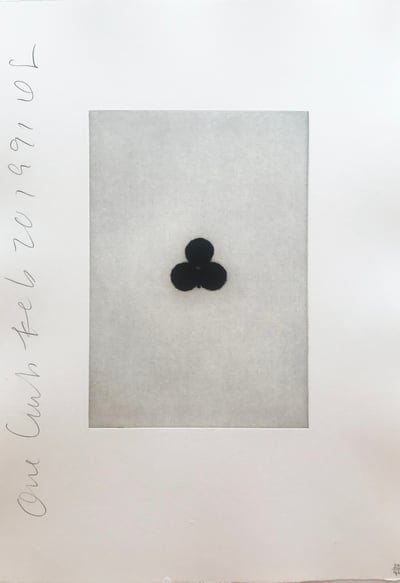
Donald Sultan
Playing Cards (Ace of Clubs), 1990
Limited Edition Print
Aquatint
USD 1,250
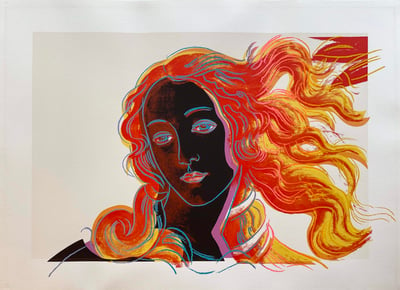
Andy Warhol
Details of Renaissance Paintings (Sandro Botticelli, Birth of Venus, 1482), II.318, 1984
Limited Edition Print
Screen-print
Inquire For Price
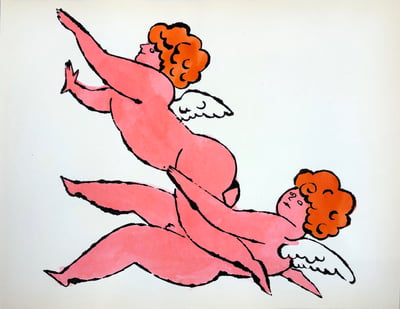
Andy Warhol
In The Bottom of my Garden IV.90A, CA. 1956
Limited Edition Print
Lithograph
Inquire For Price
Related Articles
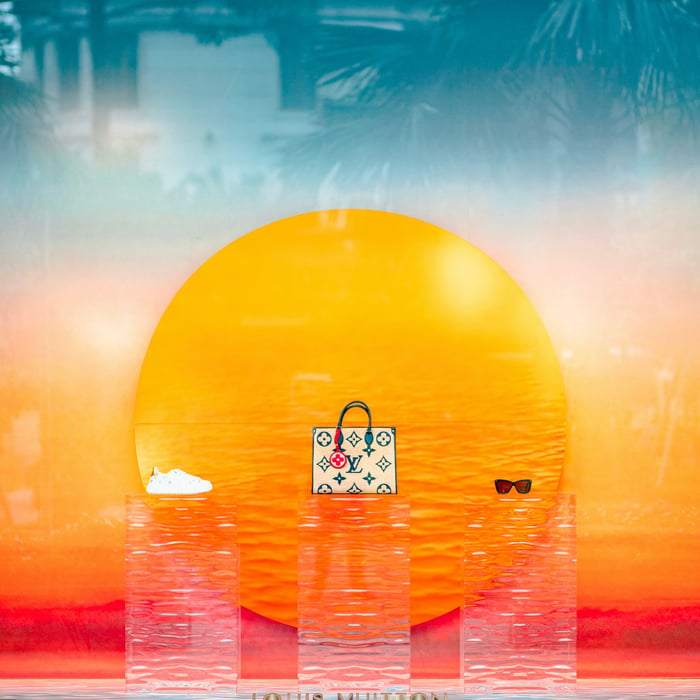



Concrete Art is an art movement founded by the Dutch artist Theo van Doesburg in the 1930s. The movement emphasizes pure abstraction, focusing on geometric shapes and colors without any reference to the natural world or symbolic meaning. Unlike other forms of abstract art, Concrete Art is entirely non-representational and is based on mathematical principles and precise execution. It aims to create universal, timeless works by using simple, clear forms that emphasize objectivity and clarity.
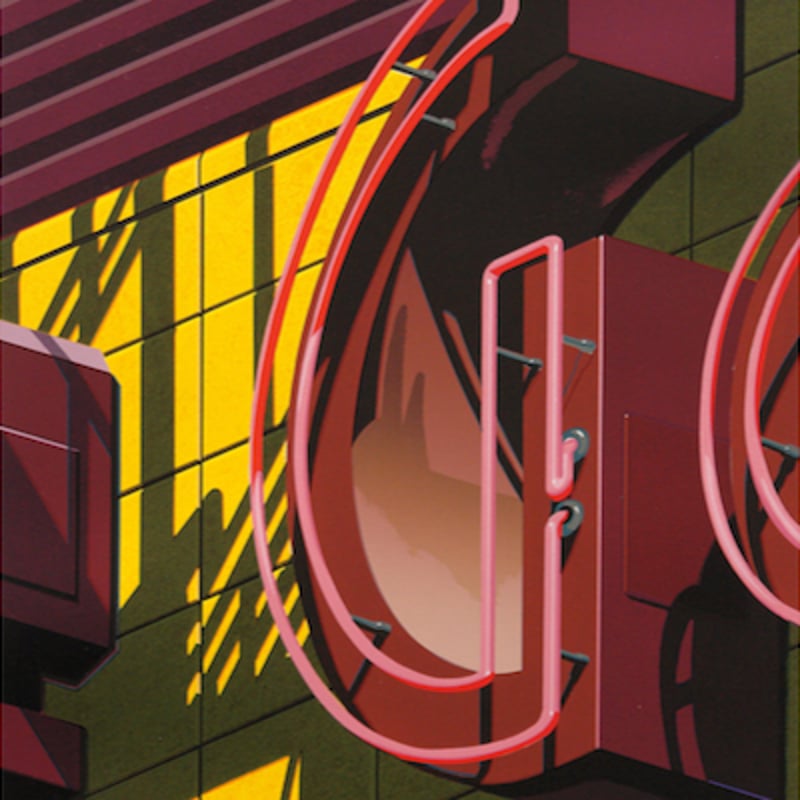
Hyperrealism is a genre of sculpture and painting that closely resembles high-resolution photographs. It is an evolution of Photorealism and is often applied to an independent art style or movement that became prominent in Europe and the United States in the early 2000s. Hyperrealist artists focus on extreme detail and precision, creating works that are often indistinguishable from real-life images.

Contemporary art from India dates from 1985 to the present, marking the post-liberalization era. During this period, artists have felt free to create independently of traditional Hindu or social conventions. They often incorporate distinctly Indian materials and objects in their work, reflecting a blend of modern ideas and cultural heritage.
Can't find your Answer?
Thank you! Your question has been sent — we'll get back to you shortly.
