

What is pop-art?
- Show All
- Established
- Discoveries
- Show All
Artworks Related to Pop art
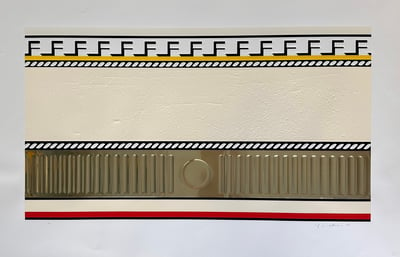
Roy Lichtenstein
Entablature I (138), 1976
Limited Edition Print
Collage
EUR 20,000 - 25,000
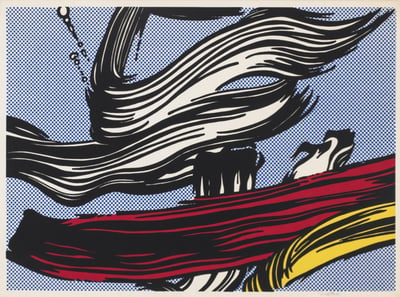
Roy Lichtenstein
Brushstrokes, 1967
Limited Edition Print
Screen-print
Inquire For Price
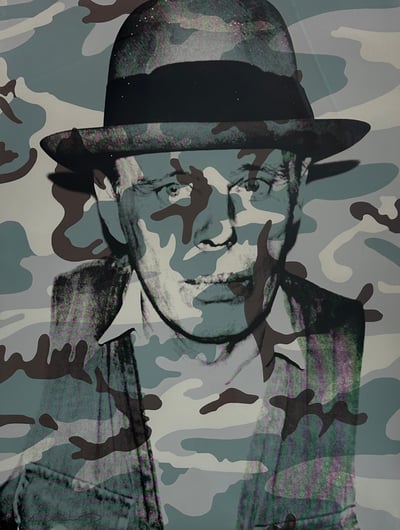
Andy Warhol
Joseph Beuys in Memoriam, 1986
Limited Edition Print
Screen-print
EUR 30,000 - 40,000

James Rosenquist
Universal Star Leg, 1974
Limited Edition Print
Collage
USD 3,200
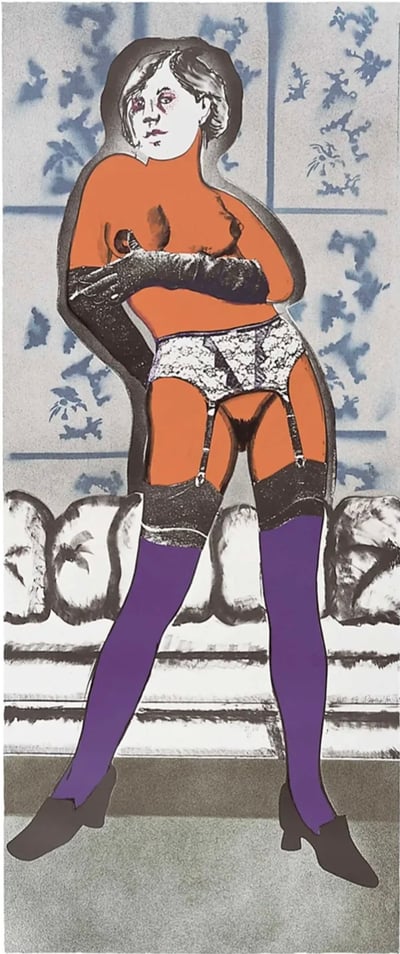
Larry Rivers
For Adults Only, 1971
Limited Edition Print
Offset Print
USD 7,200
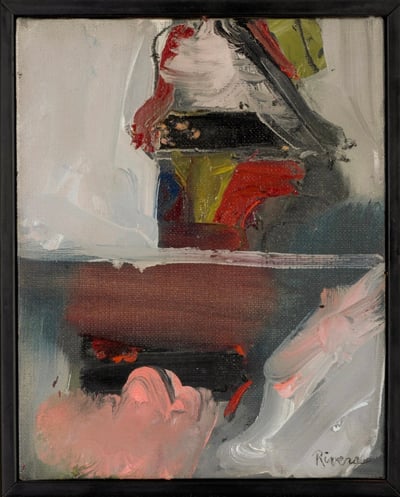
Larry Rivers
Queen of Clubs, 1960
Painting
Oil on canvas
Inquire For Price
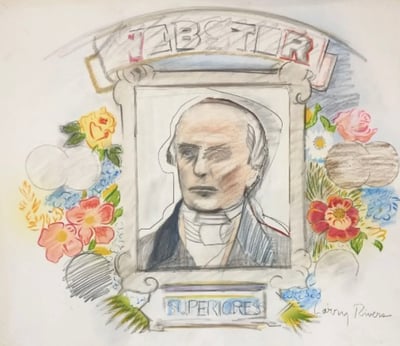
Larry Rivers
Webster, 1978
Drawing / Watercolor
Collage
USD 7,200

Larry Rivers
Fred and Ginger, 1999
Limited Edition Print
Mixed Media
USD 11,400
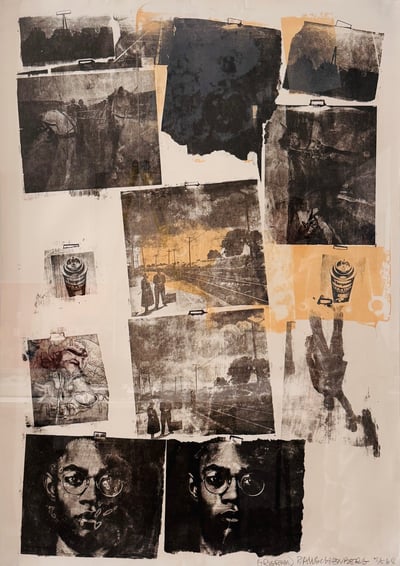
Robert Rauschenberg
Landmark, 1968
Limited Edition Print
Lithograph
USD 10,800
Robert Rauschenberg
Private Listing
Limited Edition Print
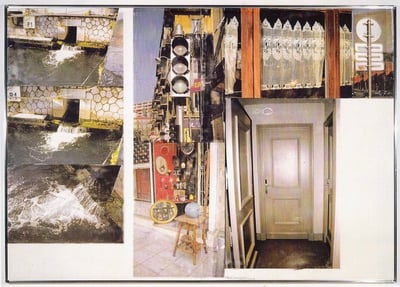
Robert Rauschenberg
Local Color (Scenario Series), 2006
Limited Edition Print
Monotype
Inquire For Price
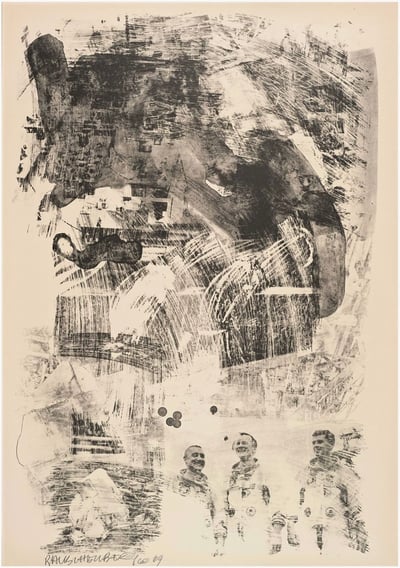
Robert Rauschenberg
Brake (Stoned Moon Series), 1969
Limited Edition Print
Lithograph
Inquire For Price
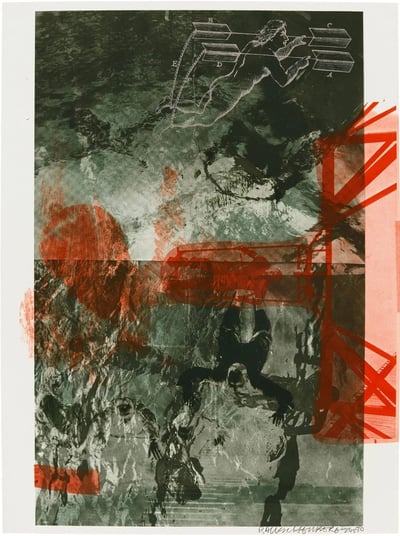
Robert Rauschenberg
Bait (Stoned Moon Series), 1970
Limited Edition Print
Lithograph
Inquire For Price

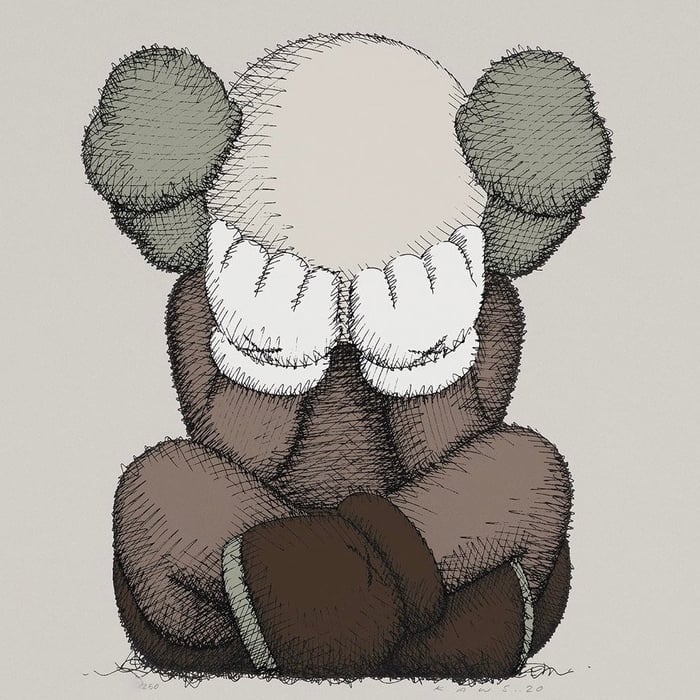
KAWS
Urge (portfolio), 2020
Limited Edition Print
Screen-print
USD 50,000 - 60,000
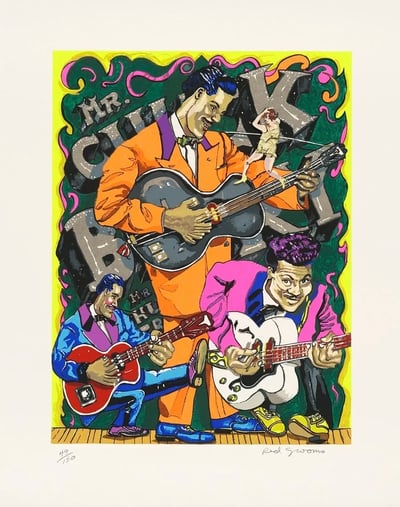
Red Grooms
Mr. Chuck Berry, 1978
Limited Edition Print
Collage
Inquire For Price

Robert Indiana
The Hartley Elegies: The Berlin Series - KvF 5, 1990
Limited Edition Print
Serigraph
USD 7,900
Related Articles

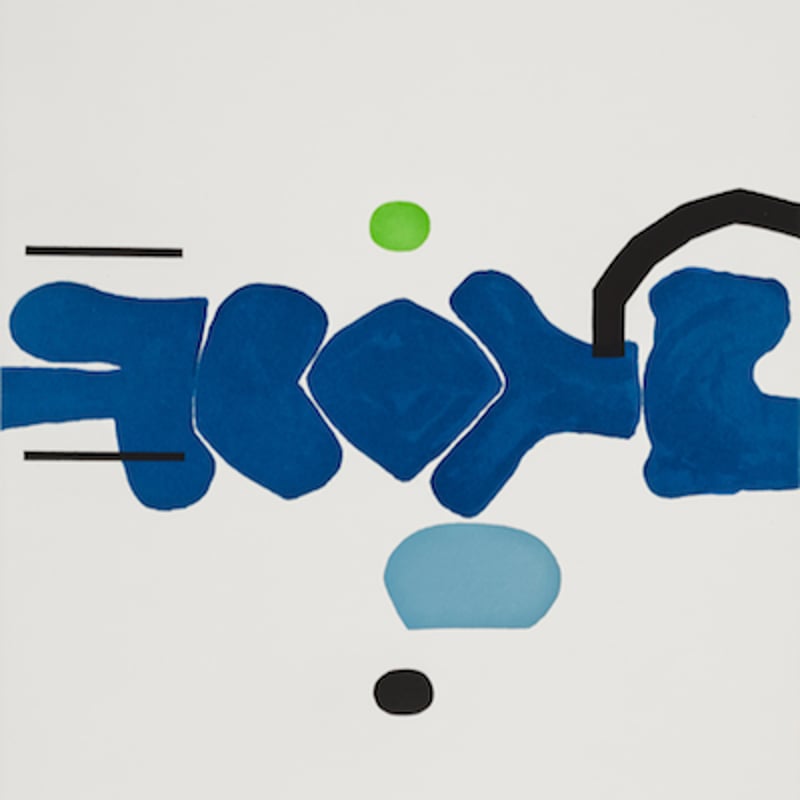
Constructivism is an architectural and artistic philosophy of Russian origin that emerged as a rejection of the idea of autonomous art. The movement advocated for art to serve practical social purposes. Since its inception in 1919, Constructivism has evolved and significantly impacted 20th-century art movements, influencing major trends such as De Stijl and Bauhaus.

Readymade is the term coined by French artist Marcel Duchamp to describe artworks created from manufactured objects. Duchamp selected ordinary, functional items that he felt had visual indifference, turning them into art simply by choosing and presenting them in a new context. This concept challenged traditional notions of art and continues to influence artists who adopt similar approaches today.
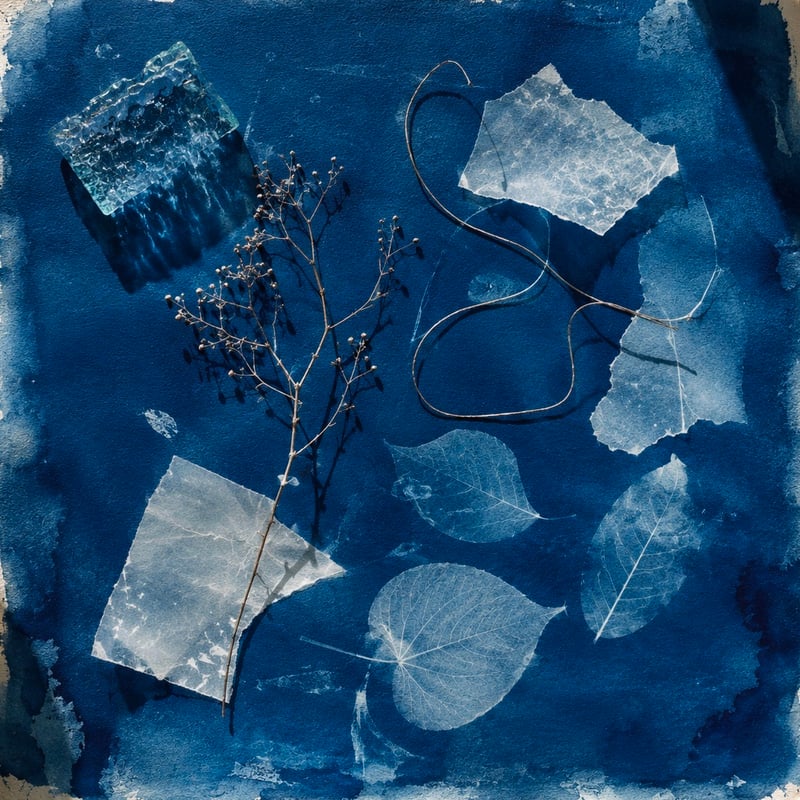
Cyanotype is a photographic technique that creates images in shades of blue, commonly known as blueprints. It involves coating a surface with a mixture of two chemicals, typically ferric ammonium citrate and potassium ferricyanide. When exposed to UV light and then washed in water, the process produces white images on a deep blue background.
Can't find your Answer?
Thank you! Your question has been sent — we'll get back to you shortly.
