

What is pop-art?
- Show All
- Established
- Discoveries
- Show All
Artworks Related to Pop art
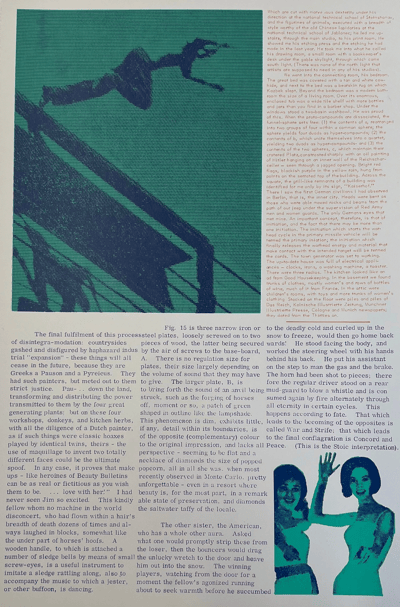
Eduardo Paolozzi
Untitled 2 (Moonstrips), 1967
Limited Edition Print
Offset Print
GBP 2,050
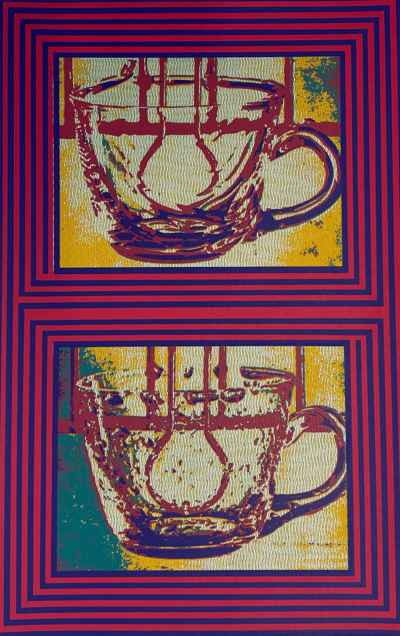
Eduardo Paolozzi
Untitled (Moonstrips), 1967
Limited Edition Print
Offset Print
GBP 2,050
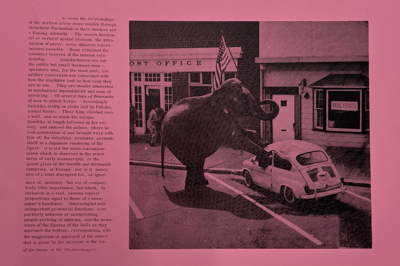
Eduardo Paolozzi
Untitled (Elephant and Real Estate), 1970
Limited Edition Print
Offset Print
GBP 2,750
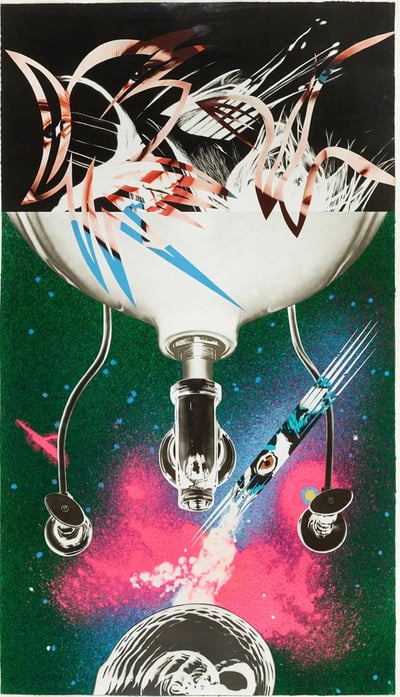
James Rosenquist
Where the Water goes (from the Welcome to the water planet), 1989
Limited Edition Print
Collage
Inquire For Price
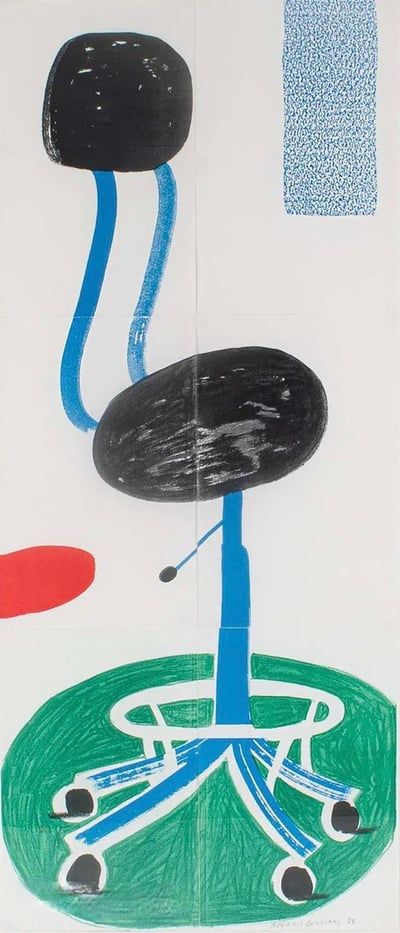
David Hockney
Office Chair, 1988
Limited Edition Print
Mixed Media
GBP 30,000 - 40,000

Damien Hirst
Ala Met, from 40 Woodcut Spots, 2011
Limited Edition Print
Woodcut
GBP 25,000 - 30,000

Damien Hirst
Methionine, 2010
Limited Edition Print
Woodcut
GBP 22,000 - 30,000
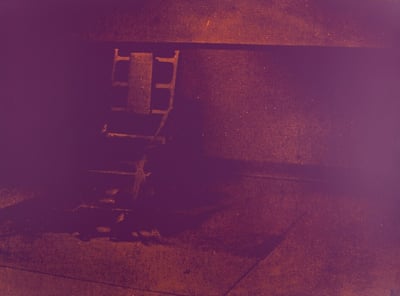
Andy Warhol
Electric Chair (F. & S. II.76), 1971
Limited Edition Print
Screen-print
GBP 19,000 - 25,000

Damien Hirst
H12-5 (X-Large), 2023
Limited Edition Print
Giclée printing
GBP 12,000 - 16,000
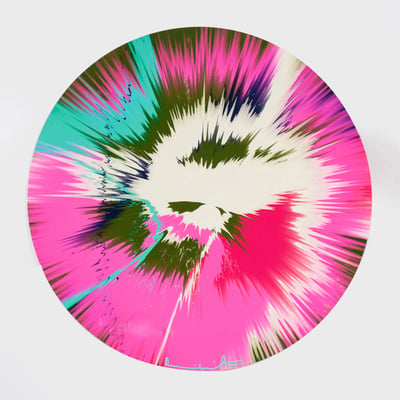
Damien Hirst
H12-2 (Large), 2023
Limited Edition Print
Giclée printing
GBP 7,000 - 10,000
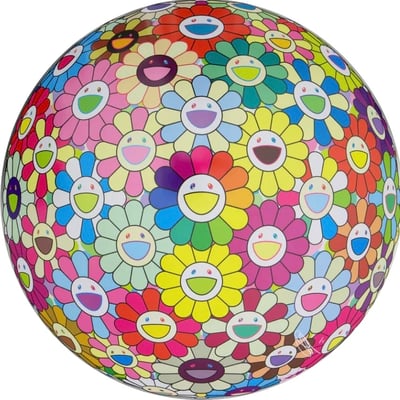
Takashi Murakami
Multiverse, Flowers, 2023
Limited Edition Print
Offset Print
GBP 2,700
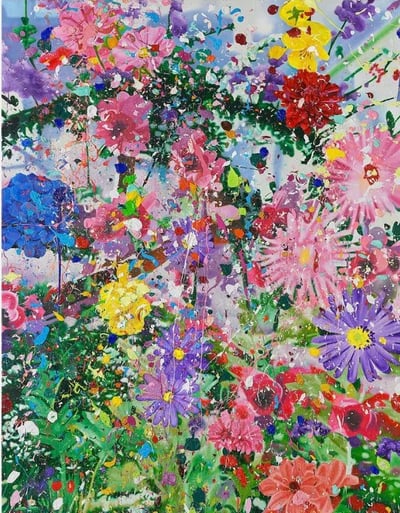
Damien Hirst
H14-1 Realisation (from the Secrets), 2024
Limited Edition Print
Giclée printing
GBP 7,800
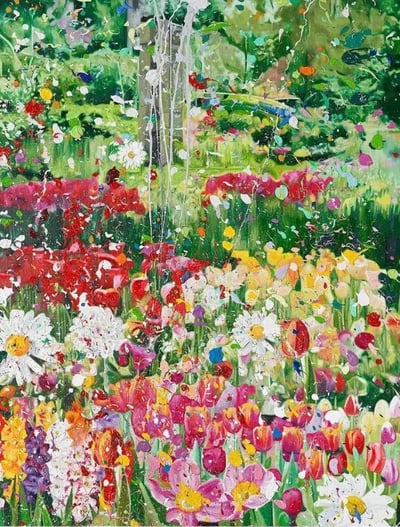
Damien Hirst
H14-4 Wisdom (from the Secrets), 2024
Limited Edition Print
Giclée printing
GBP 7,800
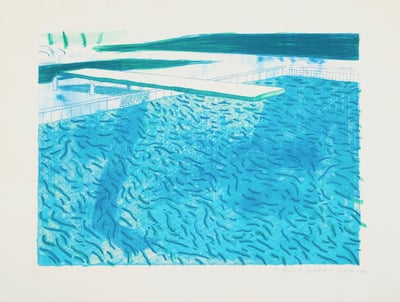
David Hockney
Lithograph of Water Made of Thick and Thin Lines and Two Light Blue Washes, 1978-80
Limited Edition Print
Lithograph
Currently Not Available
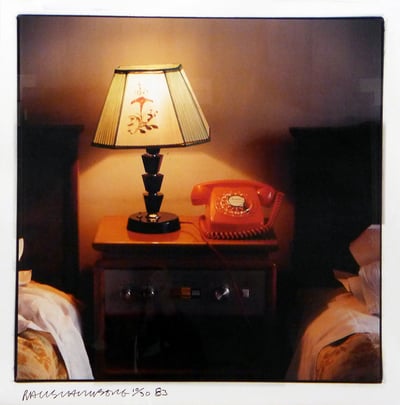
Robert Rauschenberg
Studies for Chinese Summerhall, Painted Lamp, 1983
Photography
C-Print
EUR 15,500
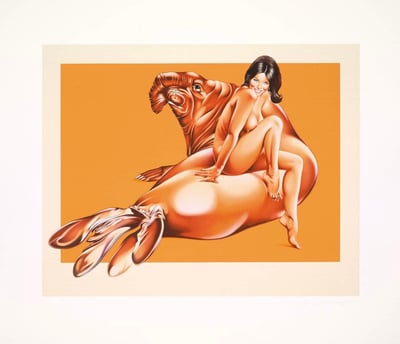
Mel Ramos
Elephant Seal, 2013
Limited Edition Print
Lithograph
EUR 4,250
Related Articles

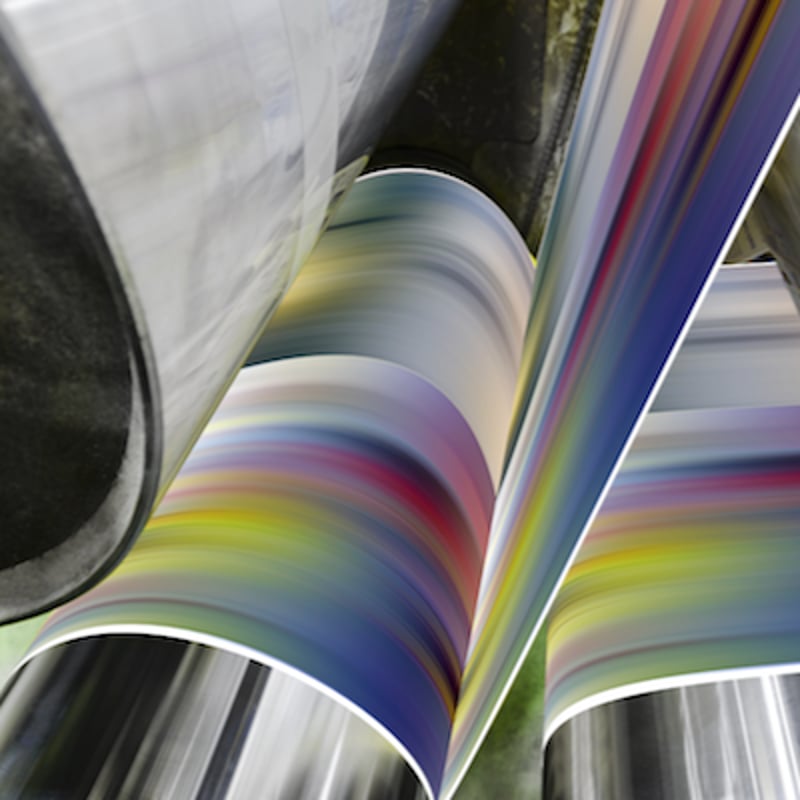
A print is an image or text reproduced using a template or master form. Prints are typically created by transferring ink from a prepared matrix to another material, often paper. Common matrices include copper or zinc plates for etching and engraving, aluminum or stone for lithography, wood blocks for woodcuts, and linoleum for linocuts. The term print can also refer to a single impression made from the matrix.
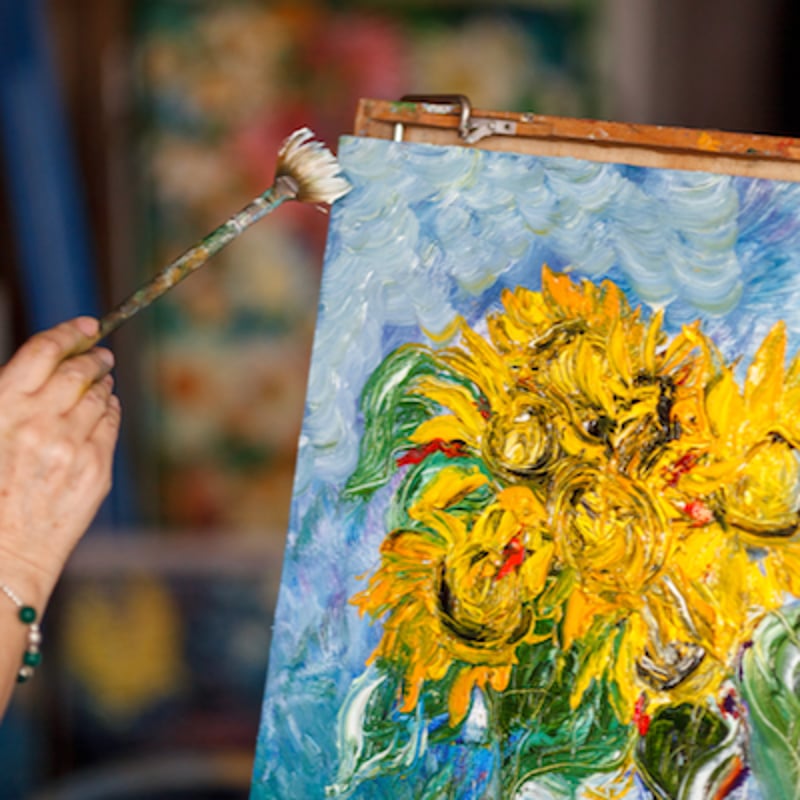
Oil paint is a slow-drying type of paint made from pigment particles suspended in a drying oil, typically linseed oil. The viscosity of the paint can be adjusted by adding a solvent like turpentine, and varnish can be added to increase the glossiness of the dried paint film. Oil painting has been used since the 12th century in Europe, initially for decoration, but it was not widely adopted as a primary painting medium until the 15th century.
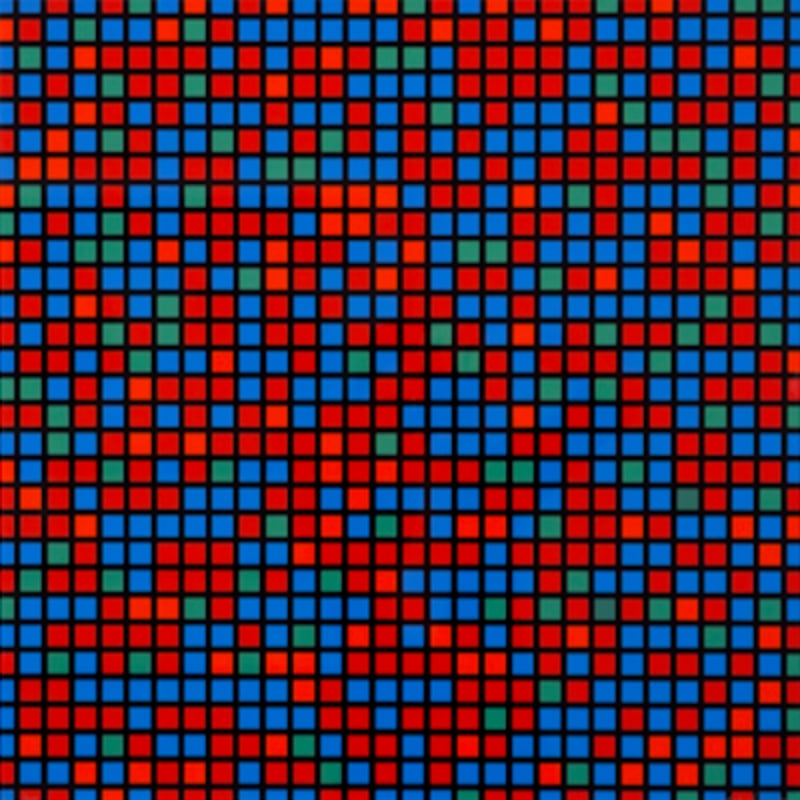
Geometric abstraction is a form of abstract art that uses geometric shapes arranged in a non-illusionistic space (though not always) and combined into non-representational (non-objective) compositions. Based on years of artistic research, some artists have proposed that geometric abstraction offers a solution to modern challenges by rejecting traditional illusionistic practices in favor of clarity and simplicity.
Can't find your Answer?
Thank you! Your question has been sent — we'll get back to you shortly.
