

What is pop-art?
- Show All
- Established
- Discoveries
- Show All
Artworks Related to Pop art
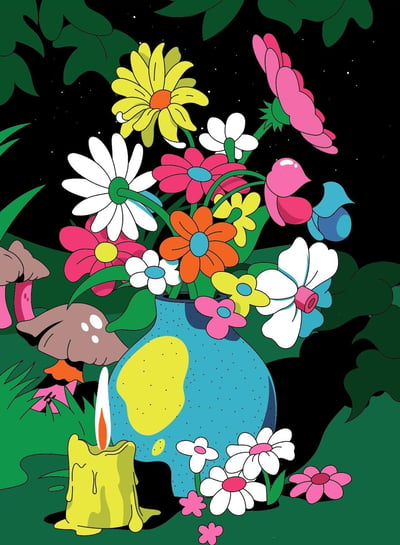
DabsMyla
The Stars and Your Dreams, 2024
Limited Edition Print
Lithograph
EUR 850

DabsMyla
Scenes from the Garden Party, 2024
Limited Edition Print
Lithograph
EUR 850

DabsMyla
A cosmic invitation, 2024
Limited Edition Print
Lithograph
EUR 850
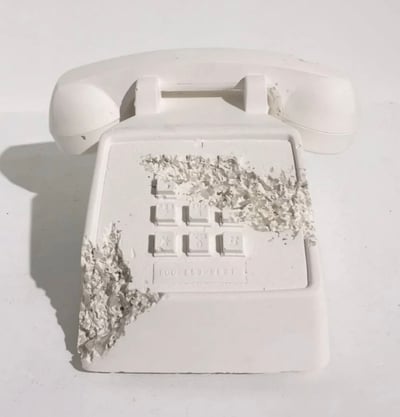
Daniel Arsham
Future Relic 05 - Telephone, 2016
Sculpture / Object
Mixed Media
GBP 8,950
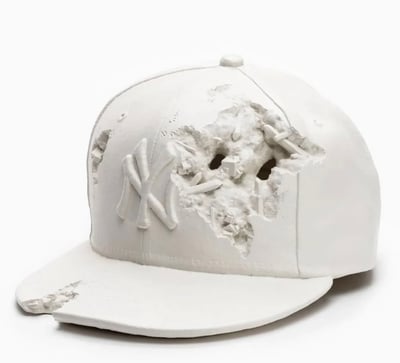
Daniel Arsham
Modern Artifact 001, 2021
Sculpture / Object
Mixed Media
GBP 4,500
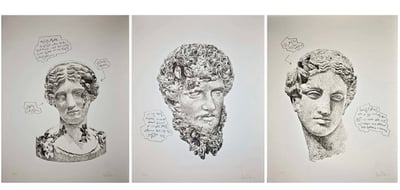
Daniel Arsham
Eroded Classical Prints, 2020
Limited Edition Print
Screen-print
USD 14,850

Jeff Koons
Seated Ballerina, 2015
Sculpture / Object
Wood
EUR 85,000 - 100,000
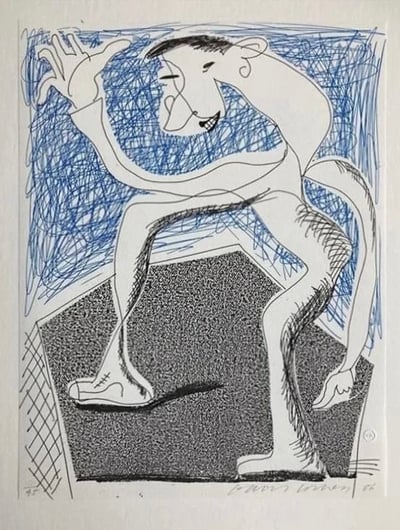
David Hockney
Waving, 1986
Limited Edition Print
Screen-print
GBP 17,500
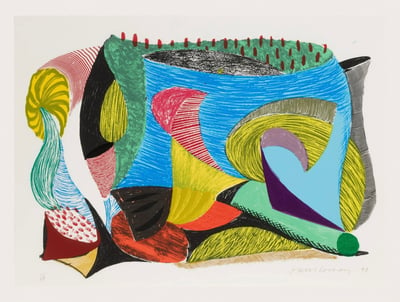
David Hockney
Above and Beyond, 1993
Limited Edition Print
Screen-print
GBP 35,000 - 40,000

David Hockney
Pool Made with Paper and Blue Ink for Book, 1980
Limited Edition Print
Lithograph
USD 70,000 - 90,000
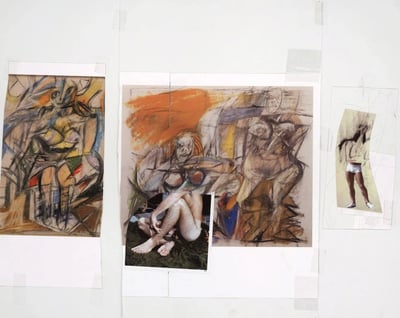
Richard Prince
Together, 2011
Limited Edition Print
Collage
Currently Not Available

Richard Prince
The Greeting Card Jokes (complete set of 3), 2011
Limited Edition Print
Mixed Media
GBP 14,950

Damien Hirst
The Currency Unique Print (H11), 2022
Limited Edition Print
Giclée printing
GBP 10,700
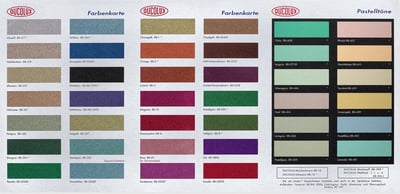
Damien Hirst
Colour Chart (Glitter) (H3), 2017
Limited Edition Print
Screen-print
GBP 8,400

Damien Hirst
Norcamphor, 2011
Limited Edition Print
Woodcut
GBP 15,000 - 20,000
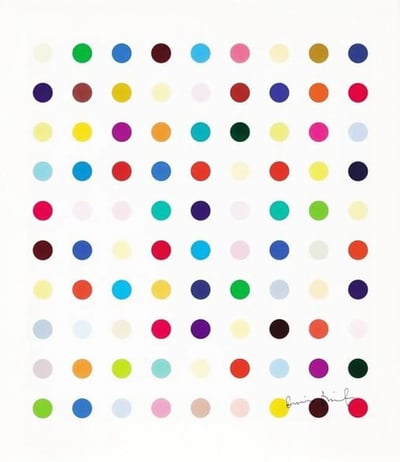
Damien Hirst
Opium, 2000
Limited Edition Print
C-Print
GBP 15,750
Related Articles


Wire is a single strand or rod of flexible metal. It has been used since ancient times to make chains and jewelry decorations. Wire comes in various thicknesses and can be bent, braided, and cut using wire tools to create sculptures, assemblages, and mobiles. Different metals, such as copper, aluminum, and steel, are commonly used for wire art.

Performance Art is a genre of fine art that is traditionally interdisciplinary, involving various art forms. It can be scripted or unscripted, random or carefully orchestrated, spontaneous, or meticulously planned, with or without audience participation. Performance Art can be presented live or through media, with the artist either present or absent. It typically involves four basic elements: space, the performer’s body or presence through a medium, time, and the relationship between performer and audience. The artwork consists of actions performed by an individual or group in a specific time and space.

The Aesthetic Movement emerged in the late 19th century, emphasizing the beauty and sensual qualities of art over practical or moral considerations. It promoted the idea of creating art for its own sake, valuing beauty and aesthetic experience as ends in themselves. The movement was particularly influential in Britain.
Can't find your Answer?
Thank you! Your question has been sent — we'll get back to you shortly.
