

What is pop-art?
- Show All
- Established
- Discoveries
- Show All
Artworks Related to Pop art
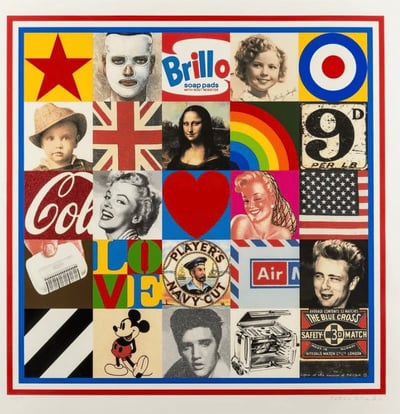
Peter Blake
Some of the Sources of Pop Art VII, 2007
Limited Edition Print
Silkscreen
GBP 9,000 - 12,000
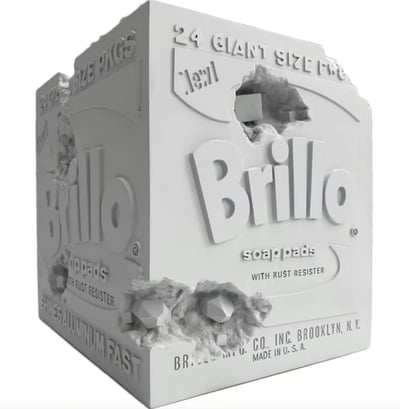
Daniel Arsham
Eroded Brillo Box Figure, 2020
Sculpture / Object
Resin
USD 4,250
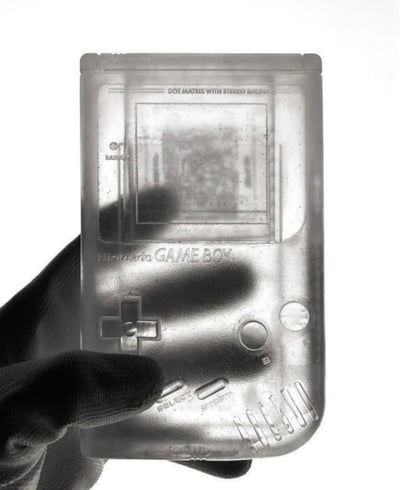
Daniel Arsham
Crystal Relic 002 - Handheld Gaming System, 2020
Sculpture / Object
Resin
GBP 2,400
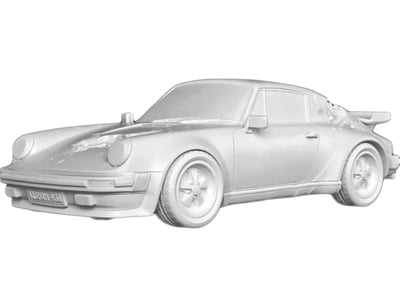
Daniel Arsham
Eroded 911 Turbo Figure (white), 2020
Sculpture / Object
Mixed Media
GBP 4,400
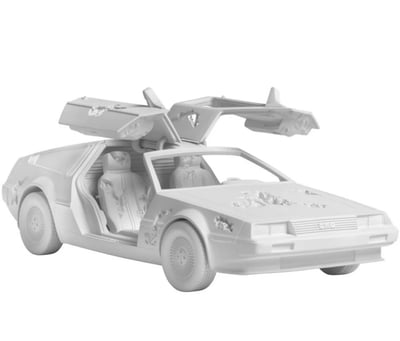
Daniel Arsham
Eroded Delorean (white), 2021
Sculpture / Object
Mixed Media
GBP 5,200
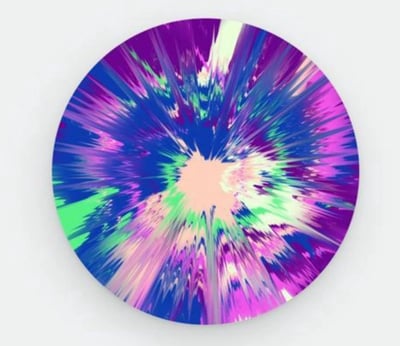
Damien Hirst
H12-14 (Large) from The Beautiful Paintings, 2023
Painting
Mixed Media
GBP 5,850
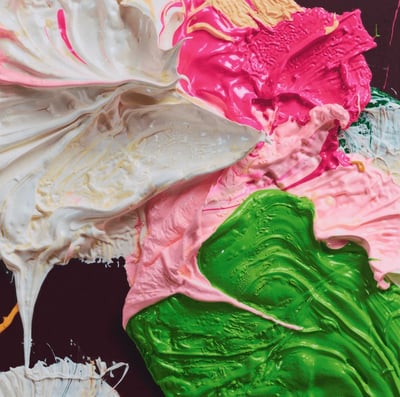
Damien Hirst
Forever (small), 2020
Limited Edition Print
Giclée printing
GBP 1,200
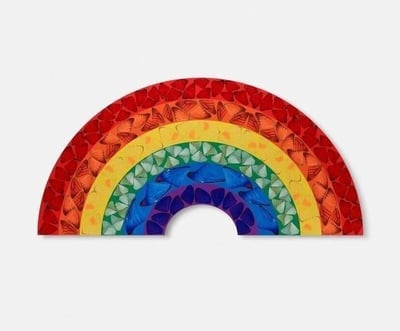
Damien Hirst
Rainbow - Small, 2020
Limited Edition Print
Giclée printing
GBP 2,120
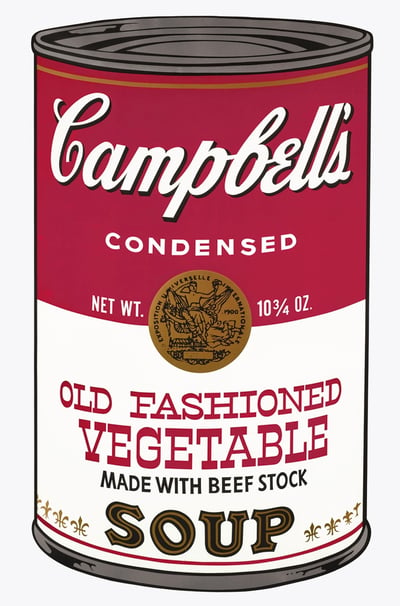
Andy Warhol
Campbell's Soup Can: Old Fashioned Vegetable, 1969
Limited Edition Print
Screen-print
GBP 70,000 - 80,000
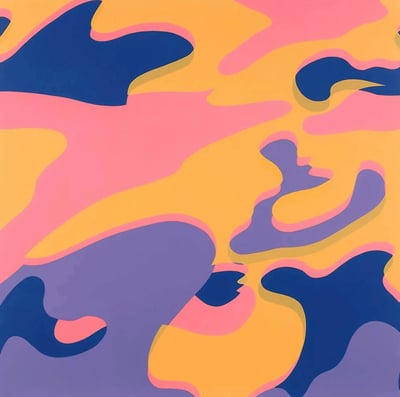
Andy Warhol
Camouflage F. & S. 410, 1987
Limited Edition Print
Screen-print
GBP 70,000 - 80,000
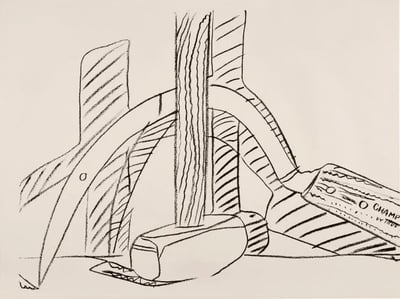
Andy Warhol
Hammer and Sickle: one plate (see F. & S. 161), 1977
Limited Edition Print
Screen-print
GBP 13,500
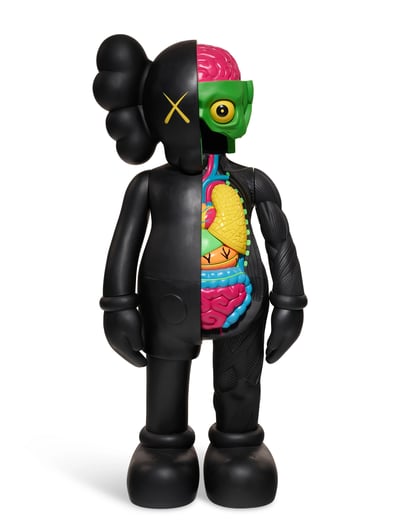
KAWS
Four Foot Companion - black dissected, 2009
Sculpture / Object
Mixed Media
Inquire For Price

KAWS
Four Foot Companion - Grey, 2007
Sculpture / Object
Mixed Media
Inquire For Price
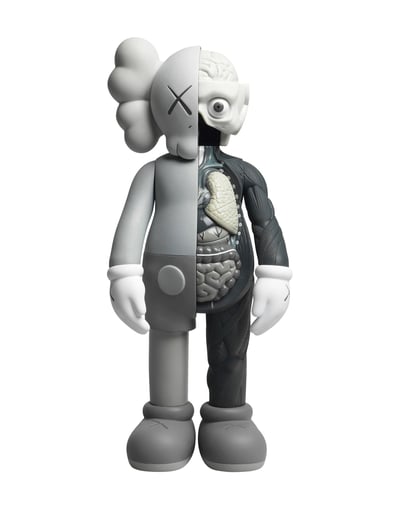
KAWS
Four foot - grey dissected, 2009
Sculpture / Object
Mixed Media
USD 100,000 - 110,000

Javier Calleja
No Art Here, 2021
Sculpture / Object
Mixed Media
GBP 5,000 - 7,000

Takashi Murakami
Open Your Hands Wide, 2007-2010
Limited Edition Print
Lithograph
GBP 7,000 - 10,000
Related Articles
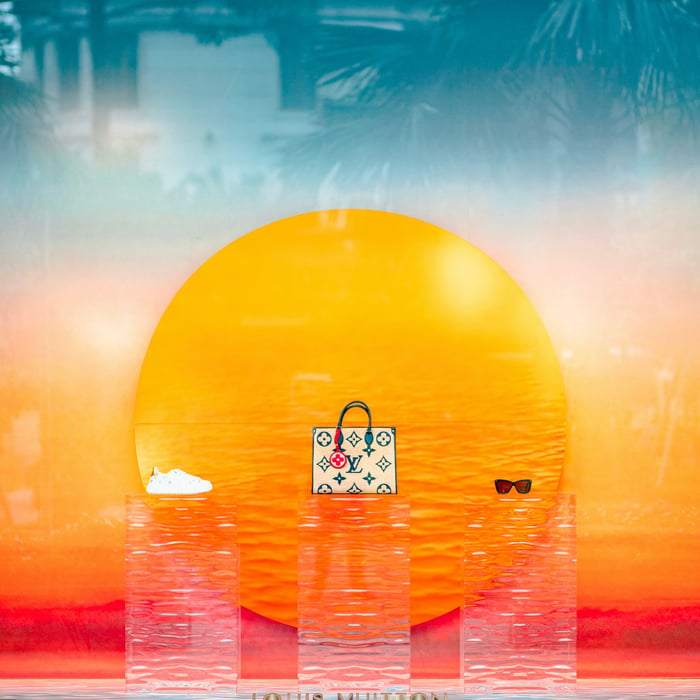



Video art is an art form that uses video and audio data, primarily featuring moving images. It emerged in the late 1960s and early 1970s with the advent of new technology and consumer video equipment that became accessible beyond corporate broadcasting. Video art can take many forms, including broadcast recordings, installations in museums or galleries, online streamed works, videotapes, and performances incorporating video monitors, television sets, or projections that display live or recorded sounds and images.
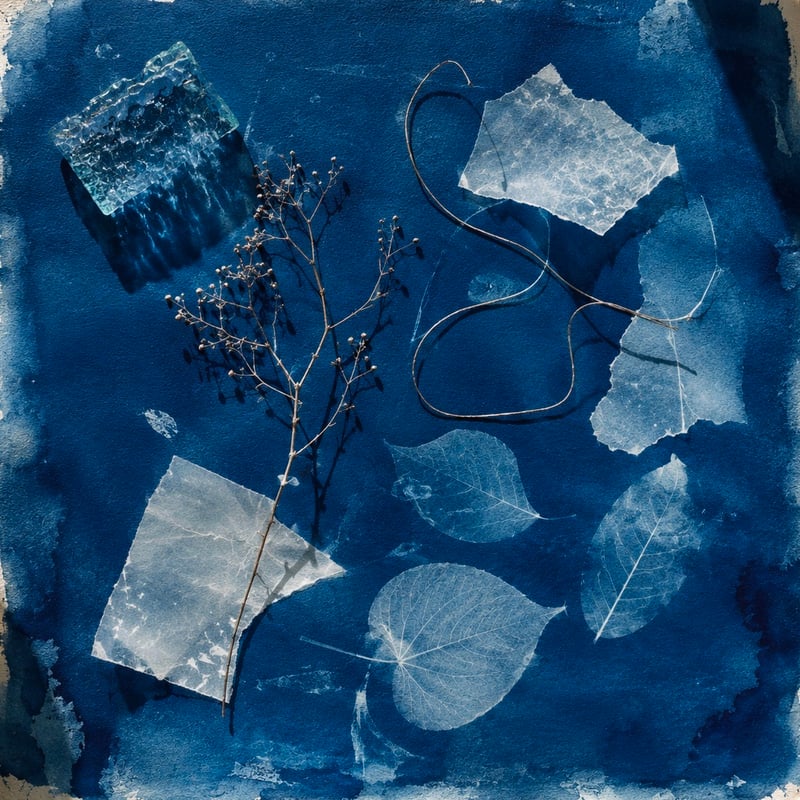
Cyanotype is a photographic technique that creates images in shades of blue, commonly known as blueprints. It involves coating a surface with a mixture of two chemicals, typically ferric ammonium citrate and potassium ferricyanide. When exposed to UV light and then washed in water, the process produces white images on a deep blue background.
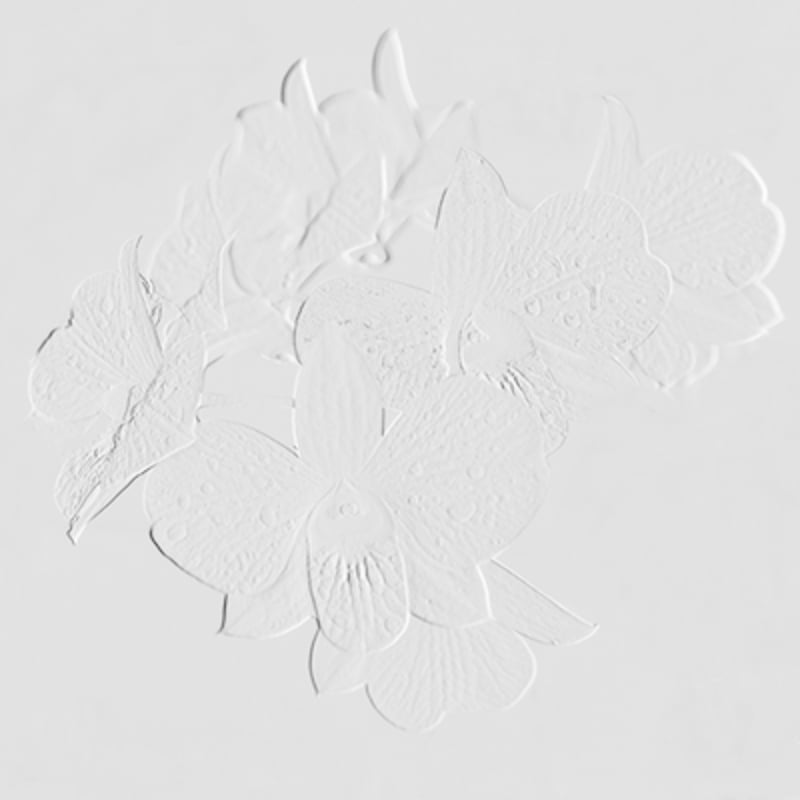
Embossing is a technique used to create raised designs or images on a surface, typically paper. Artists achieve this effect by altering the shape of the paper, often by pressing it from the reverse side using a template and a tool like a sanded dowel. The result is a design with multiple levels of depth, giving a three-dimensional appearance.
Can't find your Answer?
Thank you! Your question has been sent — we'll get back to you shortly.
