

What is Shock Art?
- Show All
- Established
- Discoveries
- Show All
Artworks Related to Shock Art

Hermann Nitsch
Untitled (Organic Maze), 2006
Limited Edition Print
Mixed Media
EUR 3,200
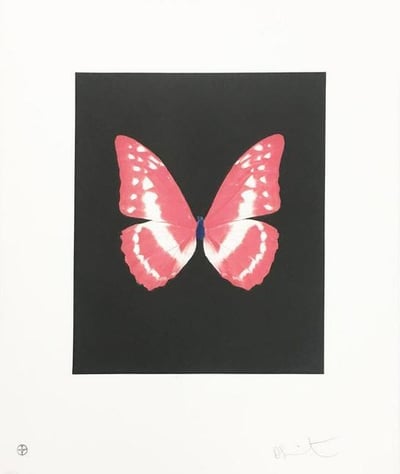
Damien Hirst
Eternal Rest, 2009
Limited Edition Print
Etching
USD 5,400

Damien Hirst
The Cure (violet/electric red/powder blue), 2014
Limited Edition Print
Silkscreen
USD 14,250

Tracey Emin
You forgot who you are, 2013
Limited Edition Print
Etching
GBP 3,500

Damien Hirst
Six Pills (Large), 2008
Limited Edition Print
C-Print
USD 17,700

Damien Hirst
Circle Spin Painting, 2009
Painting
Acrylic on paper
USD 6,800

Tracey Emin
Grand Hotel I, 2016
Limited Edition Print
Lithograph
GBP 13,500

Damien Hirst
H4-8 Keukenhof, 2020
Limited Edition Print
Mixed Media
GBP 13,000 - 15,000
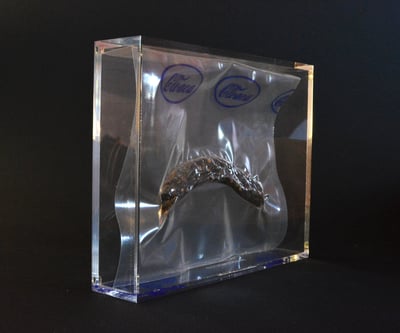
Wim Delvoye
Cloaca, 2002
Sculpture / Object
Mixed Media
Make Your Offer

Chris Burden
If You Fly, If You Drive (diptych), 1973
Limited Edition Print
Lithograph
USD 12,500
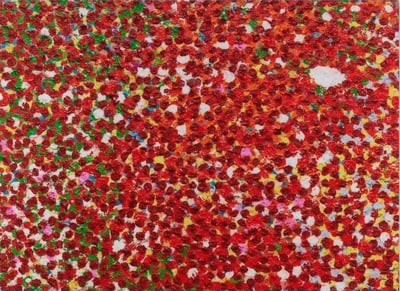
Damien Hirst
H4-7 Ryoanji, 2020
Limited Edition Print
Mixed Media
GBP 10,000 - 15,000

Nobuyoshi Araki
Binding, 2015-2016
Photography
Photograph
Currently Not Available
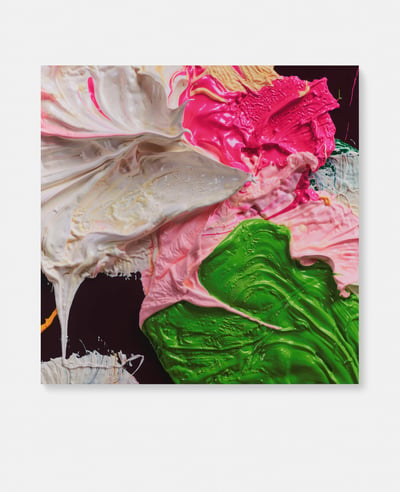
Damien Hirst
Forever, large, 2020
Limited Edition Print
Mixed Media
GBP 2,340
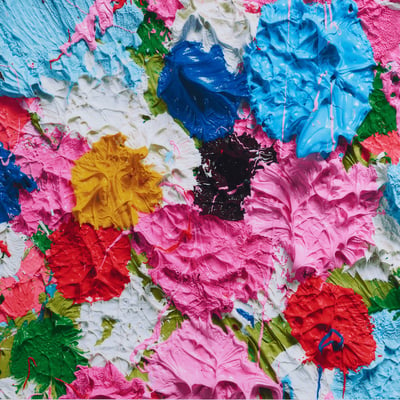
Damien Hirst
Fruitful, small, 2020
Limited Edition Print
Mixed Media
GBP 1,800

Damien Hirst
Quinizarian, 2011
Limited Edition Print
Woodcut
GBP 15,750
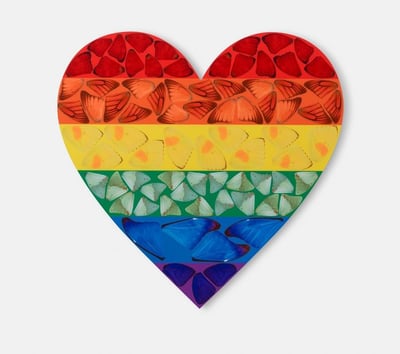
Damien Hirst
Rainbow Heart (small), 2020
Limited Edition Print
Mixed Media
GBP 5,150
Related Articles
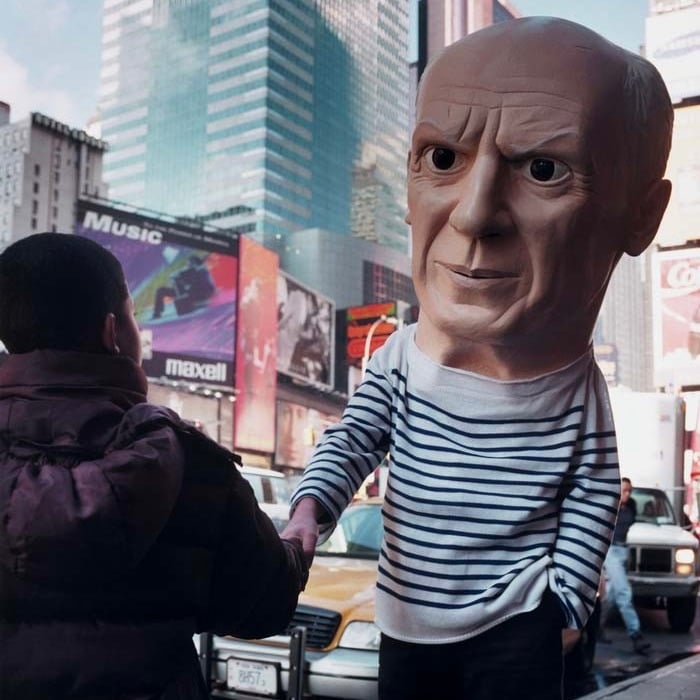


Late Modernism refers to the continuation and evolution of Modernist principles in art, architecture, and literature from the mid-20th century into the late 20th century. This movement maintains a focus on form, abstraction, and the rejection of traditional styles, but it often incorporates more complexity and ambiguity compared to early Modernism. Late Modernism explores themes such as alienation, identity, and the fragmentation of reality, reflecting the social and cultural shifts of the post-war period. It is seen in the works of architects like Louis Kahn and artists like Francis Bacon, who pushed the boundaries of Modernism while responding to the changing world around them.
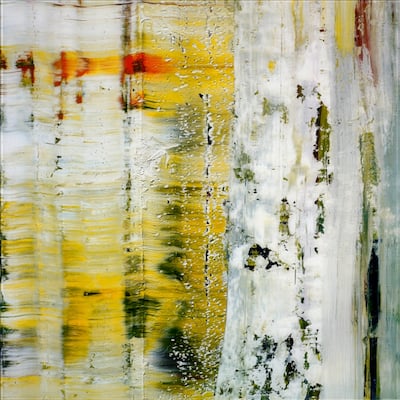
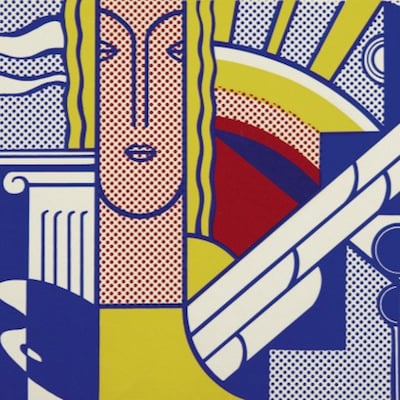
Capitalist Realism is a German form of political pop art that emerged in Cold War-era Berlin in 1963. It sought to challenge the dominance of American pop art in the Western world. The movement blended the ideologies of both pop art and socialist realism, offering a critique of consumer culture and political power.
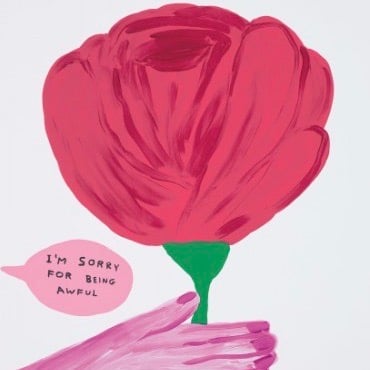
Naïve art describes a style of artwork that is simple and unsophisticated, often created by artists without formal training in an academy or art school. The style is characterized by a lack of advanced techniques, giving it a childlike appearance. Naïve art often features bright colors, simple shapes, and a straightforward approach to subject matter, reflecting the artist's untrained perspective.
Can't find your Answer?
Thank you! Your question has been sent — we'll get back to you shortly.
